
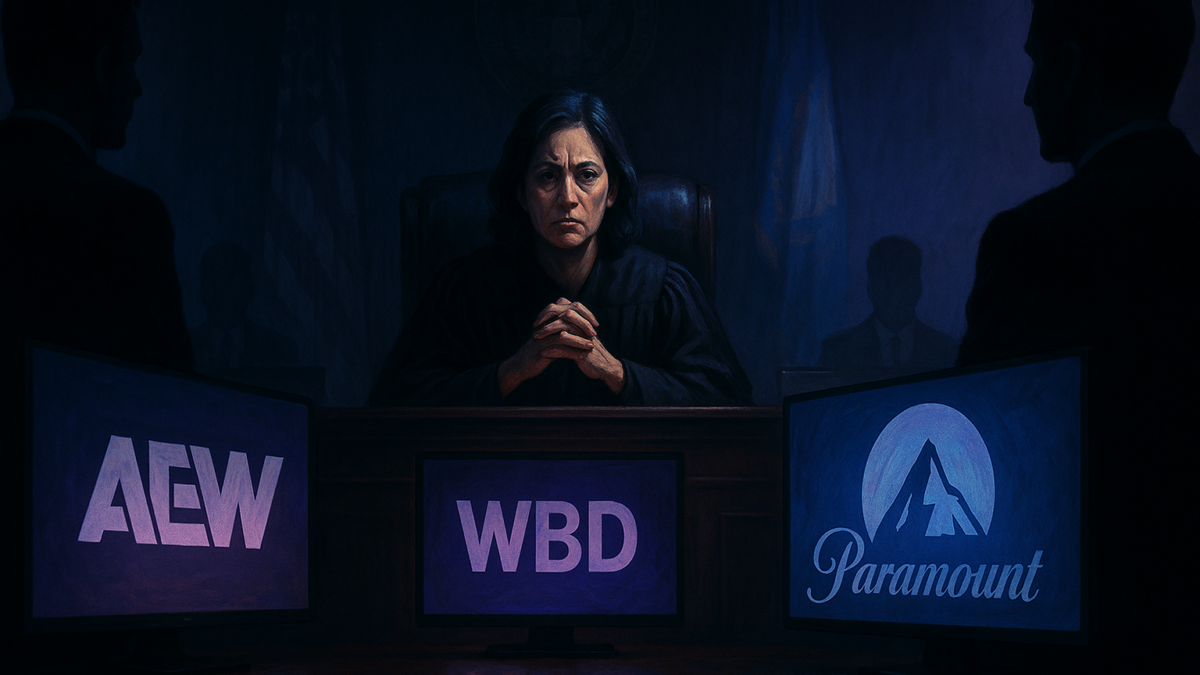
Paramount and a coalition of state attorneys general challenging its planned takeover of Warner Bros. Discovery are expected to sit down next week for negotiations that could determine whether the high-stakes media merger fight is resolved quietly or heads toward a closely watched antitrust trial next spring.
The meeting, according to people familiar with the matter, is intended to test whether there is a settlement framework that could satisfy the states’ concerns about the deal’s impact on competition across film, television, streaming, news and sports. But expectations for a quick resolution remain low. The two sides are said to be far apart, and the plaintiffs have signaled they are prepared to press their case in court if Paramount does not agree to meaningful changes.
California Attorney General Rob Bonta underscored that position Friday night, saying any resolution would have to include “robust structural remedies.” The phrase is significant in antitrust parlance: it generally points to asset sales or other concrete changes to the shape of a company, rather than promises about future conduct.
That stance raises the bar for Paramount, which is seeking regulatory and legal clearance for a transaction that would bring together two of Hollywood’s most storied entertainment companies. A combined Paramount-Warner Bros. Discovery would unite Paramount Pictures, CBS, Paramount+, Nickelodeon, MTV and Comedy Central with Warner Bros., HBO, Max, CNN, the Discovery networks, DC Studios and a vast television library.
The talks come as media companies are racing to achieve scale in a business that has been reshaped by cord-cutting, streaming losses, declining linear ratings and rising sports rights costs. Consolidation has become an increasingly attractive answer for legacy players trying to compete with Netflix, Amazon, Apple and YouTube, whose global reach and balance sheets have changed the economics of entertainment.
But that same push for scale has made major media deals harder to get across the finish line. Regulators and state enforcement officials have grown more skeptical of mergers that concentrate control over content, distribution and advertising. In the entertainment sector, the analysis is no longer limited to box office market share or broadcast ownership. It now extends to streaming bundles, pay-TV negotiations, sports rights, news distribution and the leverage studios hold over talent, producers and exhibitors.
A Settlement May Require More Than Promises
The demand for structural remedies is likely to be the central issue in next week’s discussions. For the state plaintiffs, behavioral commitments — such as pledges to maintain certain licensing practices, keep programming available to rivals or avoid retaliatory carriage tactics — may not be enough. Such promises can be difficult to monitor and enforce, particularly in a fast-moving market where business models change quickly.
Structural remedies, by contrast, could require Paramount to sell or spin off particular assets, reduce overlap in certain business lines or otherwise alter the merged company before the transaction is allowed to close. The challenge is that the very assets regulators may view as problematic are often the ones that make a merger strategically attractive.
For Paramount, agreeing to divestitures could dilute the financial logic of the deal. The company’s pitch for the combination is expected to rest heavily on expanded content libraries, stronger streaming scale, deeper franchise management and greater bargaining power in a fragmented marketplace. If the states insist on separating key assets, Paramount must decide how much it is willing to give up to avoid the uncertainty and expense of trial.
The state coalition, meanwhile, faces its own strategic choice. Settlement talks can produce concessions more quickly than litigation, but a trial offers a public forum to challenge the merger and potentially create a precedent for future media consolidation. With a trial date set for March, the plaintiffs have leverage: Paramount needs clarity, while the states can argue that time is on the side of enforcement.
Why the Fight Matters
The outcome could help define the next phase of Hollywood consolidation. If Paramount can secure approval with limited remedies, other legacy media companies may be encouraged to pursue their own combinations. If the states extract major divestitures — or win in court — the decision could chill dealmaking across the sector.
The case also matters because Warner Bros. Discovery sits at the center of several key entertainment markets. Warner Bros. remains a major theatrical studio, with franchises spanning DC, “Harry Potter,” “The Conjuring” and “Dune.” HBO is still one of television’s premier prestige brands. CNN is a major news operation. Discovery’s lifestyle and unscripted networks remain important to cable bundles, even as traditional pay-TV declines.
Paramount brings its own mix of legacy and contemporary assets, from CBS and live sports to Paramount Pictures and youth-oriented cable brands. Combining those businesses would create a company with significant influence over what gets made, where it is distributed and how audiences pay for it.
That is precisely why the plaintiffs are focused on competition beyond a single lane. In today’s media economy, theatrical distribution, streaming subscriptions, advertising sales and pay-TV carriage are intertwined. A larger company can use strength in one area to gain leverage in another, a concern likely to be central to the states’ arguments if the matter proceeds to trial.
For consumers, the implications are less abstract than merger filings may suggest. Regulators will be looking at whether the deal could lead to higher subscription prices, fewer choices, reduced licensing to rival platforms or diminished investment in certain types of programming. For talent and producers, the concern is whether fewer buyers could mean less competition for projects, smaller paydays or narrower creative opportunities.
What Happens Next
The upcoming meeting is expected to clarify whether there is any realistic path to a negotiated settlement. Paramount will likely arrive with proposals aimed at addressing specific competitive concerns while preserving the core value of the acquisition. The states will be looking for commitments substantial enough to justify stepping back from litigation.
If the sides make progress, talks could continue into a more formal remedy process, potentially involving detailed proposals and asset-by-asset analysis. If they remain deadlocked, both camps will intensify preparations for the March antitrust trial.
For now, the negotiating table is the next stop in a merger battle that could reshape the entertainment business. But Bonta’s call for “robust structural remedies” makes clear that the plaintiffs are not merely seeking assurances. They want changes big enough to alter the deal itself.