
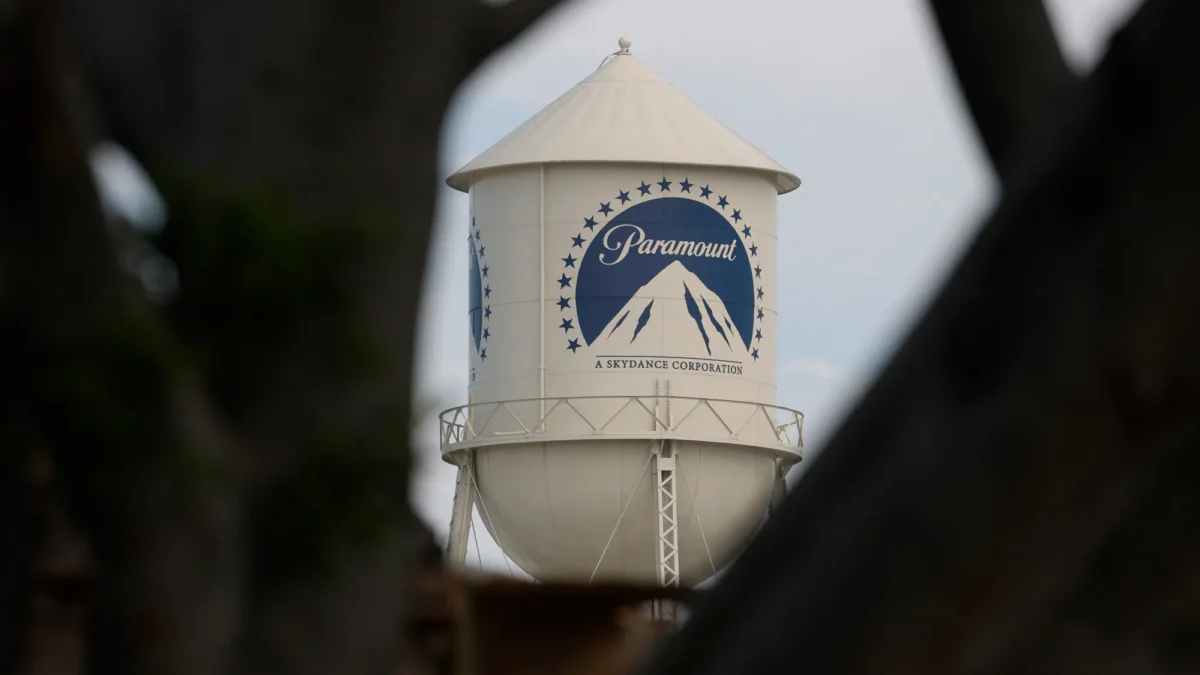
Paramount and a group of states led by California attorney general Rob Bonta are reportedly moving closer to a settlement that could resolve a lawsuit challenging Paramount’s bid to acquire Warner Bros. Discovery.
The Wall Street Journal reported Friday that the parties are in “advanced talks” to settle the case. Under the reported framework, Paramount would agree to operate the two companies’ movie studios separately for a period instead of immediately combining them.
Reuters separately reported that an agreement could arrive “as soon as this weekend,” signaling that negotiations may be entering a critical stretch. According to that report, a settlement could include independent content monitoring of CNN as well as a commitment tied to the number of theatrical releases.
The discussions remain unresolved. The Wall Street Journal report noted that talks are “ongoing and there is no guarantee that an agreement will be reached.” A spokesperson for Bonta’s office also emphasized the confidential nature of any negotiations.
“Potential settlement talks are confidential,” the spokesperson said in a statement. “We cannot confirm or deny whether settlement talks are occurring or their alleged substance.”
Paramount declined to comment.
The potential deal would mark a significant turn in a dispute that has moved slowly and, at times, contentiously. Bonta has maintained throughout the litigation that he would only accept structural remedies, which typically involve companies selling off parts of a combined business. He has also previously said that an agreement to run studio operations independently could not be the primary component of any potential settlement.
So far, Paramount has offered behavioral concessions, including a pledge to release at least 30 movies with 45-day theatrical windows. The reported settlement terms, if finalized without divestitures, would therefore represent a notable outcome for Paramount.
A settlement that does not require any divestitures would be a major win for Paramount CEO David Ellison. Ellison has threatened to move the studio out of California if an agreement is not reached by the start of next month, regardless of the ultimate outcome of the case.
Timing is also a major factor. If a settlement is reached, Paramount would be able to close the merger before an Oct. 1 deadline, when a so-called $7 million-per-day ticking fee is set to begin accruing.
Talks have been complicated by public friction between the sides. Last month, Bonta canceled a meeting with Paramount that had been scheduled for the following day, accusing the studio’s representatives of leaking and misrepresenting details of negotiations they had held.
The legal schedule still has major dates ahead if a deal is not completed. A trial is scheduled to begin in March. Paramount, the states and the Writers Guild of America are also slated to formally meet for two consecutive days beginning Oct. 14 to explore a settlement.
The reported movement comes after Paramount secured a key regulatory approval on Thursday. The FCC signed off on equity investments from three prominent Middle East sovereign wealth funds backing Paramount’s bid. According to SEC filings, those sovereign wealth funds are collectively providing roughly $24 billion in financing to help bankroll the proposed acquisition of Warner Bros. Discovery.
The investment from those funds, along with investment from others, would result in foreign investors collectively holding 49.5% of the combined company.
What Happens Next?
The immediate question is whether the reported settlement talks produce an agreement in time to avoid the Oct. 1 ticking fee. Reuters reported that a deal could come as soon as this weekend, but no agreement has been confirmed. If settlement efforts fail, the case remains on track for a March trial, with the parties also scheduled to sit down for settlement discussions starting Oct. 14.