Why This Matters
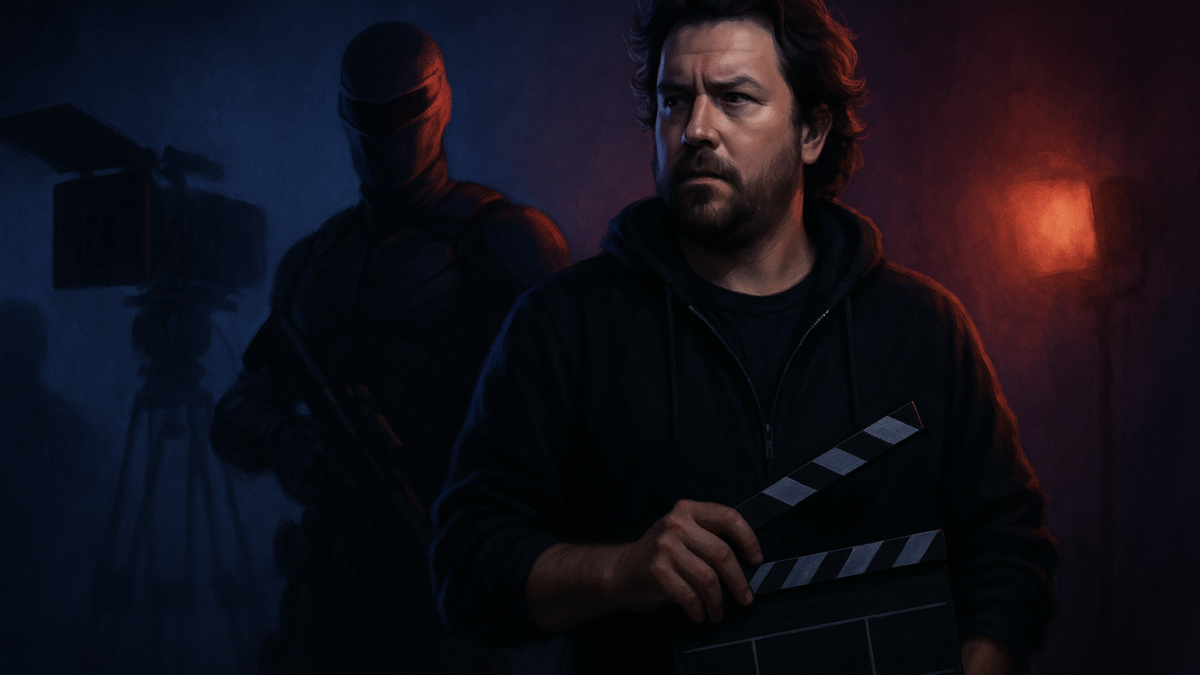
The next screen incarnation of G.I. Joe has taken an unexpected turn, with Danny McBride reportedly moving into the director’s chair for the new film. According to Deadline, McBride, who had already been working on the screenplay, is now set to guide the project as filmmaker — a notable development for both the franchise and the actor-writer’s career.
For many audiences, McBride remains closely associated with his onscreen persona: brash, sharp-tongued and frequently unfiltered, whether in Pineapple Express, Your Highness, Eastbound & Down or HBO’s The Righteous Gemstones. That makes his attachment to a major military-action toy property feel, at first glance, like a curveball. But the move is less random when viewed through the lens of McBride’s off-camera work, where he has built a résumé that extends well beyond comedy performance.
McBride has long been a key creative force behind some of television’s most distinctive comedy worlds, co-creating and writing series that mix vulgar absurdity with family conflict, ego, violence and surprisingly intricate character dynamics. He also co-wrote the recent Halloween revival trilogy with David Gordon Green and others, helping reshape a legacy horror property for contemporary audiences. That combination — irreverent voice, franchise familiarity and an ability to handle heightened genre material — may be exactly what a new G.I. Joe film needs.
The significance is also personal. If the film moves forward as planned, it would mark McBride’s feature directorial debut. Studios do not typically hand a global brand with merchandise potential, legacy characters and built-in fan scrutiny to a first-time feature director without a strong sense of creative alignment. His hiring suggests the producers are not simply looking for a journeyman action filmmaker, but for someone who can give the property a more distinctive identity.
Industry Context
G.I. Joe has remained one of the more recognizable brands in Hasbro’s portfolio, but its journey on the big screen has been uneven. Paramount’s 2009 film G.I. Joe: The Rise of Cobra introduced the property to a new generation of moviegoers, while 2013’s G.I. Joe: Retaliation leaned into star power with Dwayne Johnson and Bruce Willis. The 2021 spinoff Snake Eyes, centered on the masked ninja character’s origin story, was intended to refresh the mythology but underperformed commercially during a difficult theatrical period.
That history places the new film in a challenging but potentially rewarding position. The brand is widely known, but it does not currently have the same cinematic momentum as Marvel, DC, Transformers or other major action franchises. A conventional reboot could risk feeling anonymous in a crowded marketplace. A more idiosyncratic filmmaker, however, could help define a tone that separates the project from standard military spectacle.
McBride’s involvement also reflects a broader Hollywood trend: studios increasingly look to creators with strong tonal signatures to revive familiar IP. The thinking is that audiences may recognize a brand name, but they still need a reason to care. Filmmakers who bring personality — even if they come from comedy, horror or television rather than traditional action backgrounds — can make an established property feel less like a product extension and more like an event.
There is precedent for unconventional choices paying off. Directors with comedy backgrounds have successfully crossed into action, superhero and genre filmmaking, often bringing rhythm, character interplay and visual surprise to material that might otherwise become mechanical. McBride’s challenge will be different: he will need to balance the earnest appeal of soldiers, secret organizations and larger-than-life villains with the self-awareness modern audiences often expect from toy-based mythology.
The choice also raises questions about what version of G.I. Joe the studio wants to build. The property has always existed at the intersection of military fantasy, comic-book adventure and toy-box imagination. Lean too serious, and it can become generic paramilitary action. Lean too silly, and it risks undercutting the stakes. McBride’s strongest work often finds comedy inside excess while still committing to character and consequence, which may offer a path through that tonal minefield.
What Happens Next?
The project still has several key steps ahead before it becomes a finished film. No confirmed cast, production start date or release date has been announced, and it remains unclear whether the new movie will connect to previous G.I. Joe entries or serve as a clean relaunch. Those decisions will be crucial in shaping audience expectations, especially among longtime fans who have been waiting for a more definitive take on the franchise.
McBride’s elevation from screenwriter to director suggests the current script may be central to the studio’s confidence in the project. If his approach emphasizes character, humor and a fresh angle on the team dynamic, casting will become particularly important. The ensemble nature of G.I. Joe means the film will likely need a strong mix of recognizable stars and breakout performers who can sell both the action and the camaraderie.
The next major signals to watch will be which characters are included, whether the film embraces classic heroes and villains such as Duke, Scarlett, Roadblock, Snake Eyes, Storm Shadow and Cobra Commander, and how the creative team positions the tone. A first-time feature director taking on a franchise of this size will invite scrutiny, but it also gives the film a built-in point of curiosity.
For now, the move instantly makes the new G.I. Joe one of the more intriguing studio action projects in development. McBride may not be the obvious choice on paper, but that is precisely why the decision stands out. If he can translate his sharp storytelling instincts into large-scale spectacle, the franchise could finally find a voice loud enough to cut through the noise.