
Netflix is sharpening its focus on the United States, with co-CEO Ted Sarandos acknowledging that the streamer needs “better execution” in its home market and positioning incoming chief content officer Peter Rice as the leader who can deliver it.
Speaking Wednesday during Netflix’s third-quarter earnings call, Sarandos said the company does not need to overhaul its broader growth plan. Instead, he argued that its existing strategy must be carried out more effectively, especially as U.S. growth trails the company’s ambitions.
“The business and the business flywheel are working. There’s no need for a fundamental shift in strategy,” Sarandos said. “We do need better execution in the U.S. Our content around the world is largely working. … The U.S. is also working. It’s just not growing as fast as it could or as fast as we’d like.”
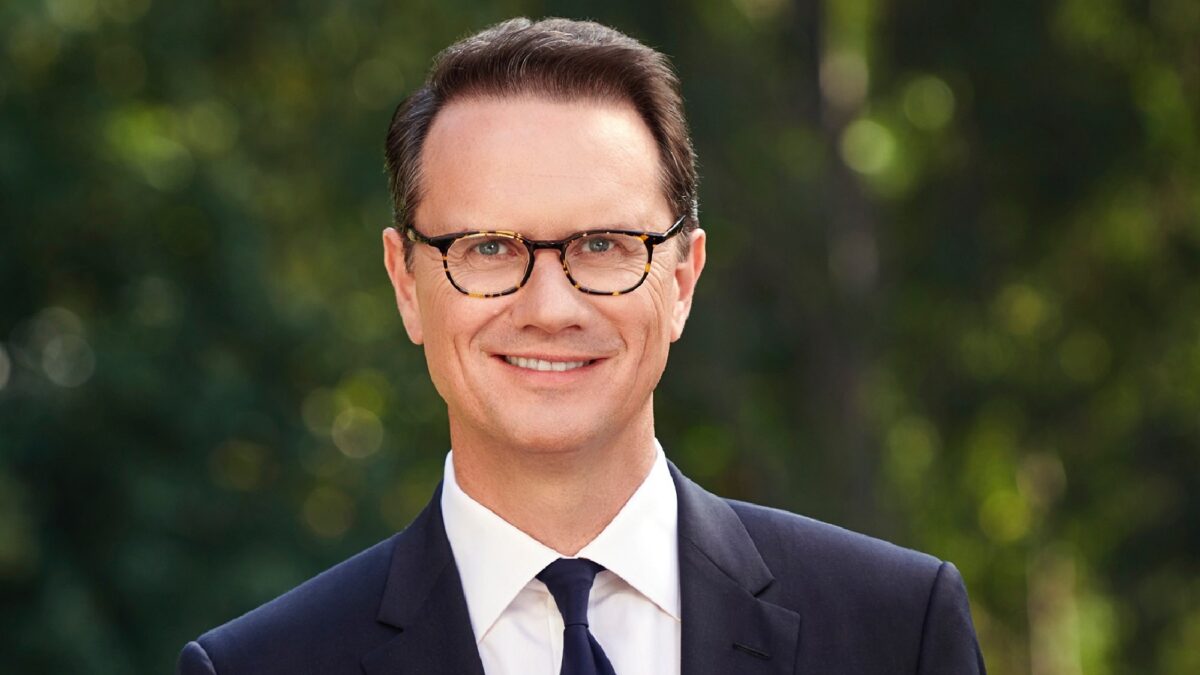
That distinction is central to Netflix’s latest leadership move. Rice, a former Disney and Fox executive, was hired last week as chief content officer and will begin the role on Oct. 26. He succeeds Bela Bajaria, who was let go as the company responded to slower growth in the U.S.
Netflix Wants More Global Breakouts From U.S. Releases
Sarandos described Netflix’s 2026 output as containing a number of strong performers, but indicated that the company needs more U.S. titles capable of becoming major successes internationally.
“We had some really solid doubles and triples this year,” he said. “But the other territories count on some of those titles being home runs so they’ll travel around the world. So we’re really focusing on that execution.”
The comments suggest that Netflix is assessing U.S. content not only by how it performs domestically, but also by whether it can move successfully across the streamer’s international markets. Sarandos said content outside the U.S. is largely working, while the American operation is not expanding at the pace Netflix wants.
Even as the company changes its content leadership, Sarandos credited Bajaria with putting “a lot of hits on the board.” He also praised her work building the international team that has helped drive Netflix’s growth outside the U.S. and Canada.
Why Netflix Chose Peter Rice
Sarandos said the industry response to Rice’s appointment has been highly positive. He highlighted Rice’s experience across movies and television, as well as linear and streaming businesses, as particularly valuable for Netflix’s next phase.
“His creative instincts and business acumen are remarkable,” Sarandos said. “He’s an at-scale quality and volume operator, and he does it across every imaginable form of entertainment.”
The co-CEO also emphasized Rice’s ability to work with creative talent in a market where filmmakers, performers and other collaborators have choices about where to take their projects.
“Most importantly, Peter Rice understands talent relations,” Sarandos said. “In a competitive market, creative talent have choices where they want to work. We want Netflix to always be the place that they do the best work of their lives. Peter is the exact right person to lead those efforts in the U.S. and around the world.”
Layoffs Reflect a Wider Efficiency Push
The leadership change comes alongside a broader reassessment of Netflix’s operations. Co-CEO Greg Peters addressed the layoffs of 1,000 employees last week, saying that the company had “overinvested” in some areas after years of substantial top-line growth.
Peters said that in a fast-changing market, businesses that build quickly can end up investing too heavily in certain operations. He framed the reductions as part of an effort to adjust Netflix for its next stage of growth.
Netflix would prefer to make such changes gradually and on an ongoing basis, Peters said, but he acknowledged that a larger intervention is sometimes needed to make the entire organization reconsider its spending and priorities.
“Sometimes the team needs a forcing function,” Peters said. “The company needs a mandate that requires the whole organization to ask hard questions about where can we be more efficient, where can we make tough decisions about where we can trim or redirect how we’re investing.”
ShowBiz Take
Netflix’s message is not that its model is broken. Sarandos is instead drawing a line between strategy and execution: International content is contributing to growth, the U.S. business is still working, but American releases are not producing enough of the globally traveling “home runs” the company wants.
That makes Rice’s appointment more than a routine executive handoff. Netflix is asking its new content chief to improve U.S. performance, strengthen talent relationships and oversee content capable of succeeding both at home and around the world. At the same time, the elimination of 1,000 jobs shows that the company’s push for stronger execution also extends to how it allocates resources.
What Happens Next?
Rice starts as chief content officer on Oct. 26. His immediate mandate, as outlined by Sarandos, will be to improve execution in the U.S. while supporting Netflix’s content operation worldwide. The key question is whether that leadership change can produce more American titles with the international reach Netflix says its other territories need.