Why This Matters
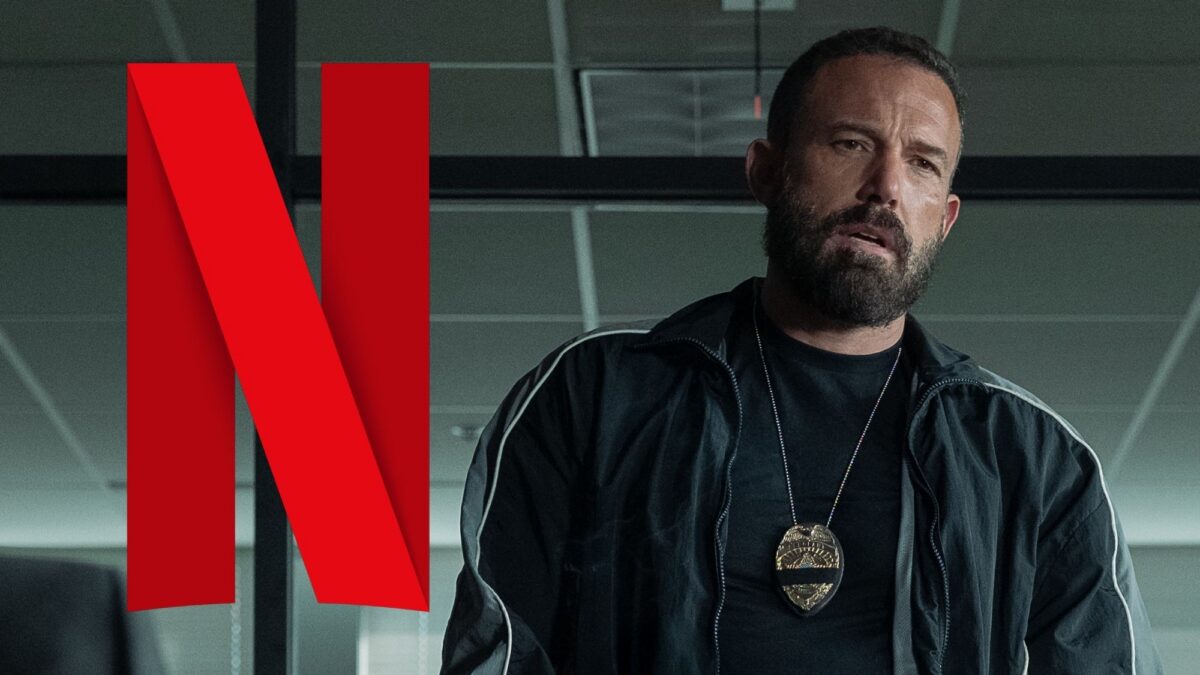
Netflix’s reported $587 million cash acquisition of Interpositive, the secretive artificial intelligence company founded by Ben Affleck in 2022, is more than another high-priced technology purchase. It marks one of the clearest signs yet that major entertainment companies are willing to spend heavily on AI tools designed specifically for film and television production.
According to a federal filing with the U.S. Securities and Exchange Commission, the streaming giant has acquired the startup in an all-cash transaction. The size of the deal is notable on its own, but the buyer and founder make it especially significant. Affleck is not merely a celebrity attaching his name to a tech venture; he is an Oscar-winning filmmaker, producer and industry operator whose career has increasingly moved behind the camera and into the business of content creation.
Interpositive has operated with unusual discretion since its founding, avoiding the public-facing hype that has surrounded many generative AI companies. Unlike platforms that focus on creating short videos from text prompts, Interpositive is understood to be aimed at supporting the filmmaking process itself. That distinction matters. The company’s value appears to rest not in replacing a movie or series with a machine-made product, but in building technology that could streamline pieces of development, production or post-production.
For Netflix, the acquisition suggests a strategic interest in owning proprietary tools that could alter how content is planned, produced and delivered across global markets. The company spends billions annually on films, scripted series, documentaries, animation and unscripted programming. Even modest efficiencies across that pipeline could have meaningful financial impact, particularly as streaming companies face pressure from Wall Street to balance growth with profitability.
The deal also places Affleck at the center of one of Hollywood’s most sensitive conversations. AI has become a flashpoint for writers, actors, directors, editors, visual effects artists and below-the-line workers who are watching closely to see how studios deploy the technology. A high-profile acquisition involving a major star and a dominant streaming platform is likely to attract attention not only from investors, but also from guilds and creative labor groups.
Industry Context
Hollywood’s relationship with artificial intelligence has been both enthusiastic and anxious. Studios and streamers see potential in tools that can help with scheduling, budgeting, dubbing, visual development, asset management, localization and post-production workflows. Creative workers, meanwhile, have raised concerns about consent, authorship, compensation and the possibility that technology could be used to shrink jobs or dilute artistic control.
Those concerns became central during the recent labor battles that reshaped the entertainment business. AI protections were a major negotiating issue for writers and actors, reflecting a wider fear that generative systems could be trained on human work and then used to undercut the people who created it. Any major AI deal in Hollywood now arrives against that backdrop, and Netflix will likely have to be careful about how it describes and implements Interpositive’s technology.
The acquisition also underscores the ongoing convergence of entertainment and Silicon Valley. Over the last decade, streaming platforms have built recommendation engines, data-driven development systems and global distribution infrastructures that traditional studios once lacked. The next frontier may be production technology: tools that do not simply decide what viewers see, but influence how content is made before it ever reaches the screen.
Netflix has long positioned itself as a technology company as much as a studio. Its advantage has come from combining content investment with data, product design and distribution scale. Bringing an AI-focused production startup in-house fits that pattern. Rather than relying solely on third-party vendors, Netflix can potentially develop internal systems tailored to its own global pipeline and protect those tools from competitors.
Affleck’s involvement adds another layer. As a filmmaker, he has worked across studio dramas, franchise films, awards-season fare and independent-minded projects. As a producer, he has shown interest in giving talent more leverage in the business model. That makes Interpositive’s sale especially intriguing: it suggests a creative entrepreneur trying to shape technology from inside the filmmaking community rather than leaving the field entirely to engineers and outside investors.
Still, the secrecy around Interpositive means many questions remain unanswered. The SEC filing provides the financial headline, but not the full creative or operational story. It is not yet clear how many employees the company has, what specific tools it has built, whether Affleck will remain involved after the sale, or how quickly Netflix plans to deploy the technology across its productions.
What Happens Next?
The immediate next step will be integration. Netflix will need to decide whether Interpositive operates as a stand-alone internal unit, becomes part of a broader production technology division, or is folded into existing teams working on content operations, post-production and international delivery. The way the company structures that transition will offer clues about how central the technology is to its future strategy.
Industry observers will also be watching for Affleck’s role after the acquisition closes. If he remains attached in an advisory or executive capacity, Netflix could use his credibility with filmmakers to present Interpositive as a creator-friendly platform. If he exits after the sale, the deal may be viewed more as a strategic technology purchase than an ongoing partnership with one of Hollywood’s most recognizable actor-directors.
Netflix will likely face questions from talent representatives, guild leaders and production partners about safeguards. The company may need to clarify whether Interpositive’s systems will be used to assist human creators, automate administrative functions, enhance post-production workflows or participate more directly in creative development. In the current climate, the language around those distinctions will matter almost as much as the technology itself.
Competitors will not ignore the move. Disney, Warner Bros. Discovery, Amazon MGM Studios, Apple and other major players are all exploring how AI can improve content pipelines while managing reputational and labor risks. A nearly $600 million cash deal gives the market a new benchmark and may accelerate acquisition activity around entertainment-specific AI companies.
For now, Netflix has made one of the boldest bets yet on AI’s role in Hollywood production, and Affleck has turned a stealth startup into a major streaming asset. The impact will depend on whether Interpositive becomes a quiet efficiency engine behind the scenes or a more visible force in reshaping how films and series are made. Either way, the deal signals that AI is no longer hovering at the edge of the entertainment business. It is moving onto the lot.