
Why This Matters
NBCUniversal’s latest pact with YouTube is more than another distribution renewal. It is a signal that the streaming business is moving deeper into an era where scale is increasingly built through bundles, platforms and partnerships rather than standalone subscriber acquisition alone.
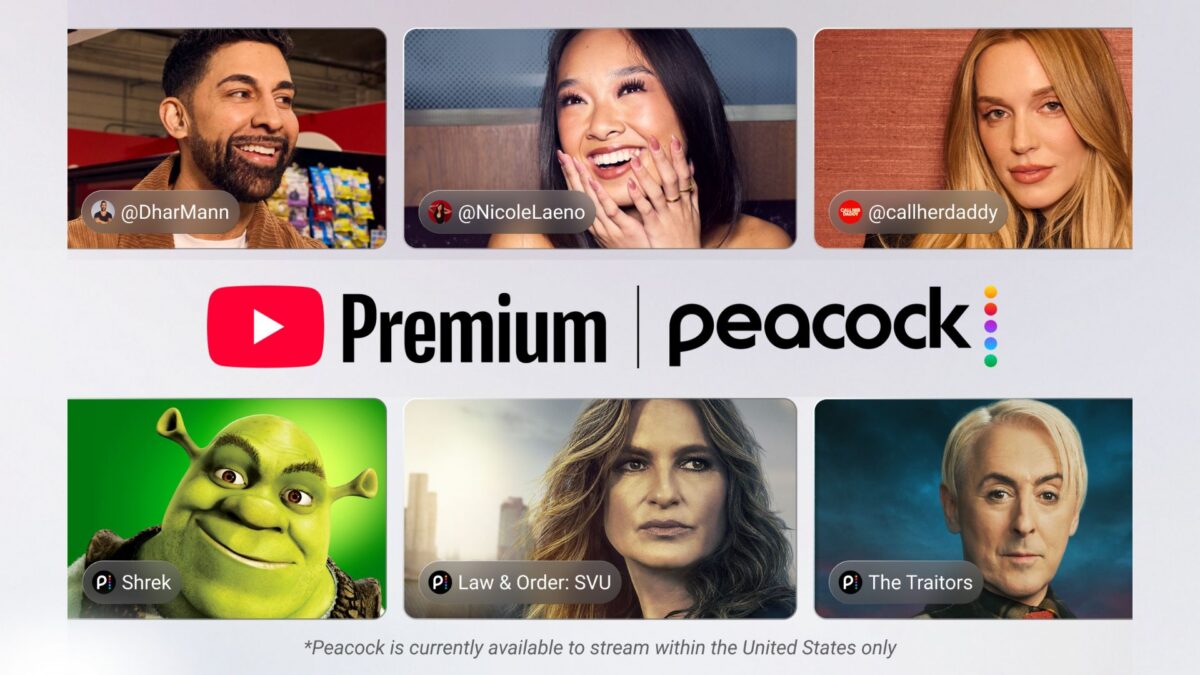
Under the multi-year agreement, Peacock will become available to eligible U.S. YouTube Premium subscribers beginning in early 2027, while NBCUniversal also keeps Peacock in place on YouTube TV. The companies described the arrangement as Peacock’s largest wholesale distribution deal so far, a notable marker for a service that has leaned heavily on live sports, next-day NBC programming and original series to distinguish itself in a crowded field.
For Peacock, the benefit is straightforward: wider reach at a moment when every major streamer is under pressure to prove that subscriber growth can be both meaningful and financially disciplined. Wholesale deals can help platforms add viewers without shouldering the full cost of direct-to-consumer marketing for each new customer. They also put programming in front of audiences who may not have actively sought out a separate Peacock subscription.
For YouTube, the deal reinforces its evolution from a video platform into a major entertainment distributor. YouTube Premium already has a broad consumer base built around ad-free viewing and music-related benefits. Adding Peacock gives the subscription product more conventional entertainment value and strengthens YouTube’s pitch as a central hub for both creator-led content and studio-backed programming.
The arrangement also matters because live sports remain one of the most powerful tools in the streaming wars. Peacock’s lineup has included marquee sports tied to NBCUniversal’s portfolio, from NFL programming and Premier League soccer to major event coverage. Giving YouTube Premium subscribers access to Peacock widens the potential audience for that programming while keeping NBCUniversal connected to viewers who may be drifting away from traditional pay TV.
Industry Context
The agreement arrives as Hollywood’s streaming calculus continues to shift. In the early phase of the direct-to-consumer boom, media companies prioritized owning the customer relationship and keeping content inside proprietary apps. That strategy produced rapid subscriber growth for some services but also enormous costs, high churn and a fragmented consumer experience.
Now, the industry is rediscovering the value of distribution partners. Bundles with wireless carriers, retail memberships, pay-TV operators and digital platforms have become a key way for streamers to broaden exposure and reduce cancellations. The logic is familiar from the cable era: consumers are more likely to stick with a package that feels like a broader utility than a single app they can cancel after finishing one show.
Peacock has been an aggressive participant in that shift. NBCUniversal has used the service as a home for library content, NBC and Bravo programming, theatrical film windows, originals and live sports. But like most entertainment companies, it must balance growth against profitability. A wholesale relationship with YouTube gives Peacock access to a large subscription ecosystem without relying solely on direct sign-ups.
YouTube, meanwhile, has become an increasingly important player in the television economy. YouTube TV is now one of the most prominent virtual pay-TV services in the U.S., and YouTube itself commands extraordinary viewing time on connected televisions. The company has also expanded its role as an aggregator through channels, premium add-ons and sports packages, putting it in more direct competition with traditional distributors and streaming marketplaces.
The extension of Peacock’s availability on YouTube TV is also meaningful. Virtual pay-TV platforms have become crucial lifelines for media companies managing the decline of the traditional cable bundle. While linear networks still generate carriage revenue, consumers are migrating toward internet-delivered television packages. Maintaining placement on those services helps NBCUniversal preserve distribution while positioning Peacock as part of the future viewing stack.
There is also a competitive message embedded in the deal. Streaming services are increasingly judged not just by their content libraries, but by how easily audiences can access them. Disney, Warner Bros. Discovery, Paramount, Netflix, Amazon and Apple are all navigating versions of the same challenge: how to grow without making consumers feel overwhelmed by too many separate subscriptions. Partnerships with platforms that already have scale are becoming a practical answer.
Financial terms were not disclosed, and the companies have not fully detailed how the Peacock benefit will be presented to YouTube Premium subscribers. Those specifics will matter. The economics of wholesale distribution can vary widely depending on subscriber eligibility, revenue sharing, promotional windows and whether users receive an ad-supported or ad-free tier. Still, the strategic direction is clear: Peacock is gaining a larger storefront, and YouTube is adding more premium programming muscle.
What Happens Next?
The next phase will be execution. Because the Peacock integration for YouTube Premium is not set to begin until early 2027, both companies have time to refine the consumer experience, marketing strategy and technical rollout. The key question will be whether YouTube can make Peacock feel like a seamless benefit rather than an add-on that requires too many extra steps.
NBCUniversal will also be watching how the deal affects engagement. Wholesale access is valuable only if users actually watch the service, sample its originals and return for live events. If Peacock can convert passive availability into regular viewing, the partnership could become a model for future distribution arrangements with other large digital platforms.
Competitors will be paying close attention. If the YouTube Premium bundle proves effective, it may accelerate a broader wave of studio-platform alliances. Streamers are searching for ways to lower churn, reduce customer acquisition costs and make their services feel indispensable. A major tech platform with a large paid subscriber base is an attractive partner in that effort.
For consumers, the deal points toward a streaming landscape that may become less fragmented, though not necessarily simpler. More services are likely to appear inside broader subscription packages, and the value of any one bundle will depend on which platforms, sports rights and entertainment brands are included. The Peacock-YouTube arrangement is another step toward a marketplace where distribution scale is once again as important as the programming itself.