
Documentarian and animal rights activist Eric Goode has a formula, but he’s been steadily refining it — diminishing the sensationalism, focusing on substance and gradually making more respectable, if not more entertaining, series as he goes along.
The thesis of pandemic sensation Tiger King (co-directed with Rebecca Chaiklin) could be boiled down to: People who own and traffic exotic animals are criminals and lunatics and rubes. Let’s laugh at them!
Monsters of God
The Bottom Line
Less sensationalistic than its predecessors.
Airdate: 9 p.m. Thursday, August 6 (HBO)
Director: Eric Goode
The thesis of 2024’s Chimp Crazy could be boiled down to: People who own and traffic exotic primates are criminals and lunatics and rubes, but there’s something relatable and human in the desire to want chimpanzees in our lives. Heck, even Alan Cumming thought it was cool to befriend a chimp, until he learned better, so maybe we should mix our laughter with a trace of compassion?
The thesis of Goode’s new documentary series, HBO‘s five-parter Monsters of God, can be boiled down to: Actually, I [Eric Goode] once owned exotic reptiles, so maybe let’s not critique the people who own exotic reptiles, especially since a lot of perfectly normal people probably own turtles. But can we all agree that it’s bad to illegally traffic them, even if it’s really exciting and fun and a bit like an addiction?
Tiger King left me feeling first dirty and then angry at the way the documentary exploited its featured characters, losing track of the serious issues in a sea of gawking and giggling.
Chimp Crazy left me feeling a little dirty but — perhaps for the same reasons it failed to become a piece of the cultural conversation like Tiger King — it was easier to see what Goode was saying and to nod at some of its core truths.
Monsters of God is dry and linear and — insofar as it’s basically an international thriller, replacing the packages of cocaine from countless Florida-set narcotics documentaries with iguanas and boas — never really left me feeling dirty at all. The points it’s trying to make aren’t even all that controversial — namely that there’s good money to be made in the legal transportation of legal reptiles and that’s probably OK-ish, but let’s cool it with the illegal stuff.
Fine!
Goode actually does something clever as Monsters of God begins.
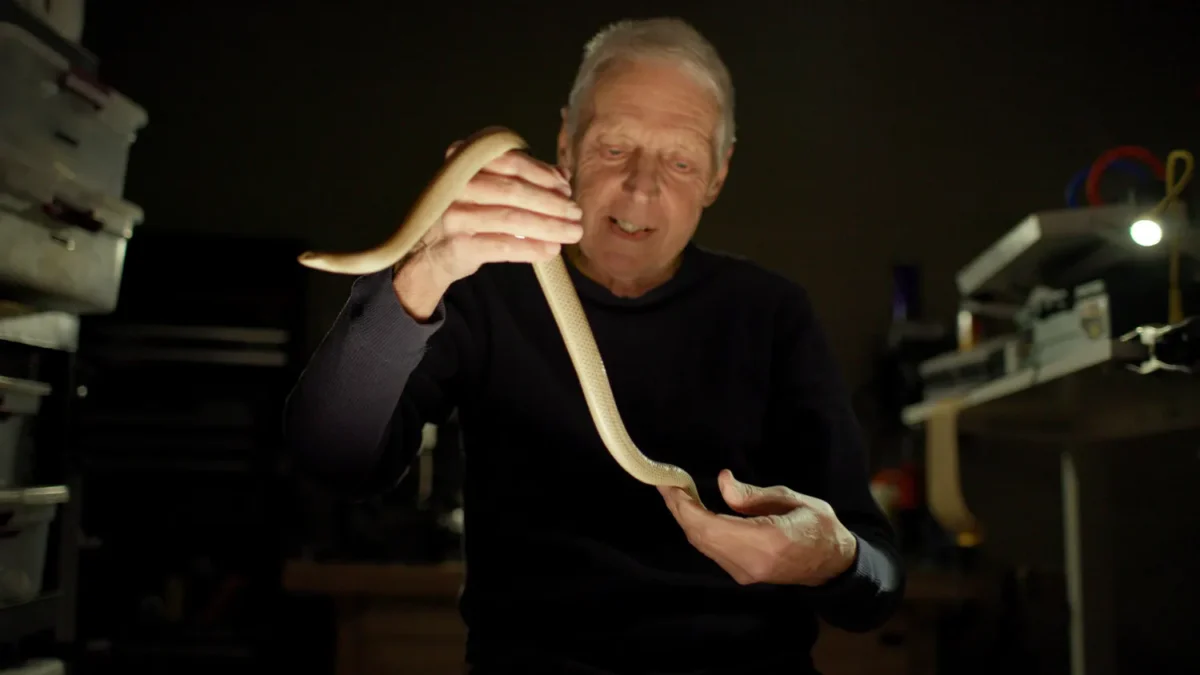
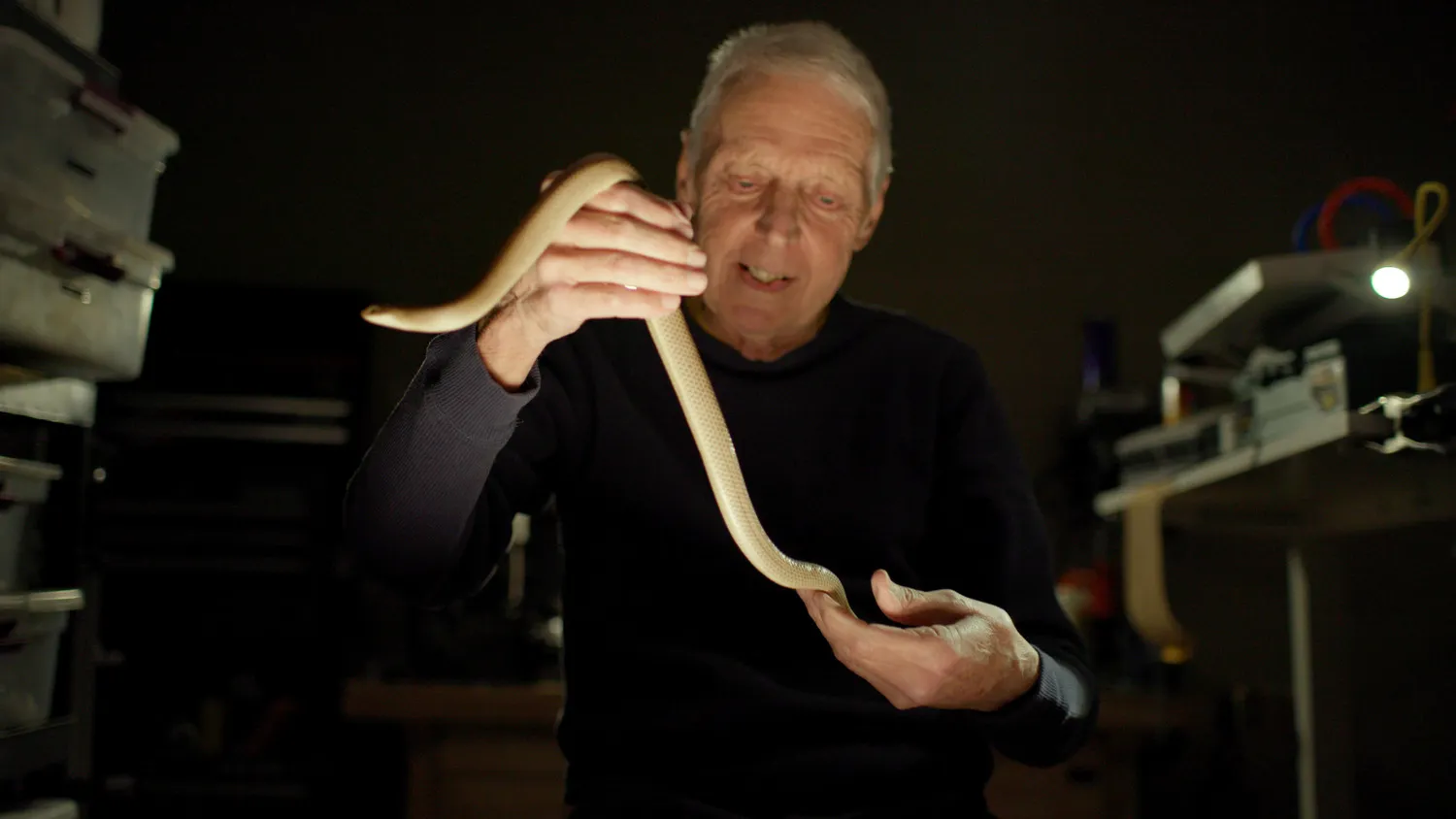
The documentary first introduces a wild and wacky guy who’s taking a giant king cobra out of a metal box. The cobra has enough venom to kill an 8,000-pound elephant. The guy weighs less than 8,000 pounds. The cobra seems angry and writhes and attacks, and the handler holds the snake at bay, looking like a man who has made poor lifestyle choices and therefore deserves whatever is coming courtesy of his snake pal.
“Oh,” one is encouraged to think. “It’s going to be THAT kind of documentary.”
Then Goode introduces the illegal reptile trade, telling us that it’s primarily been birthed by two men: Tommy Crutchfield and Hank Molt, who appear in the documentary and, in establishing their larger-than-life personalities, leave little doubt that they have a longstanding rivalry.
“Oh,” one is encouraged to think. “We’re doing THIS thing again?”
Unlike Tiger King and Chimp Crazy, Monsters of God isn’t really about a rivalry-gone-bad between two outsized figures who are easy to caricature and laugh at — though Tommy and Hank clearly don’t like each other very much and have definitely done things to justify ample bad blood.
And unlike Tiger King and Chimp Crazy, Monsters of God isn’t really about people whose passion for a deadly thing is so irrationally all-consuming that if or when they die or get horribly injured, our primary sensation is schadenfreude.
What the doc does is take something Goode finds relatable — “I was part of the problem,” he says of the reptile industrial complex, though at no point does he go into any depth on his own reptile purchasing history — and offers a deep dive filled with fun historical details and unsubstantiated psychological observations. He follows the industry from Hank and Tommy, who began importing and selling first legal reptiles and then illegal reptiles, and traces it through several generations of smugglers as well as law enforcement figures who’ve tried to stop them as part of complicated stings with uninspired names like Operation Cobra and Operation Chameleon.
Unlike in Tiger King and Chimp Crazy, there’s no sense that the animals — often introduced in beautifully photographed glamour close-ups — are falling into the hands of people who abuse them, either through intent or ignorance. In fact, the end users are virtually ignored, while the people moving the reptiles are distinctive because they actually seem to be reptile enthusiasts, students and even experts.
To a man — and they’re all men, even if their wives are occasionally collaborators — they were drawn to reptiles first as collectors, then as vendors because of a personal fascination, then as illegal traffickers by a need to see the unseen, to experience the unavailable. Like collecting Pokemon that can bite and maybe kill you! They’re drawn by the same things that attract even casuals to the reptile enclosures at zoos around the country, and they’ve supplied the zoos with their menageries; even if you’ve never owned so much as a common gecko or box turtle or garter snake, you’ve perhaps been unknowingly complicit.
The featured animals are eye-catching and scary and weird, while the human characters are colorful and dangerous and profane and fun. The documentary goes chronologically, and if you’ve seen something like Billy Corben’s Cocaine Cowboys or any of a dozen docs about Pablo Escobar or Griselda Blanco, you know the milieu and even some of the featured players. Actually, some of the featured players, including animal handler/clown Dwayne Cunningham and Cuban-American zookeeper and former drug kingpin Mario Tabraue, have been in Goode’s previous documentaries, which confusingly isn’t mentioned here. Why would Goode ignore or deny that he’s creating a cinematic universe of his own, the Avengers of illegal animal trafficking?
The series is too long and wildly repetitive, and Goode plays the “Will the filmmaker get an interview with this notoriously secretive or evasive trafficker? YES HE WILL!” game way too many times. But he talks to most of the people you’d want him to talk to, sometimes going to fun and unexpected locations to do it, and he gets candid responses out of most of them. Plus, he does it without the overt cinematic mockery — comically-driven soundtrack choices, ironic cutaways, unflattering framings — that marred those earlier series. Does Goode have more respect or sympathy for the people featured here? Is he maturing as a filmmaker? Who’s to say? It all results in a series that’s more honestly watchable and less likely to attract rubber-necking viewers.
Once again, Goode’s conclusions are simplistic, but probably correct. Rich people probably shouldn’t be allowed to own endangered tortoises any more than they should be allowed to own endangered primates or felines. I think there’s a way Goode could have been more introspective and actually made the documentary as “personal” as he tells us in the premiere that it’s going to be. But in its inclusions and exclusions, the doc lets viewers draw some conclusions about him and his own addictions to repeatedly telling stories in this vein.
Given how Goode’s documentaries are becoming increasingly reasonable and less outsized, Monsters of God led me to wonder if this has been the long game and Goode is getting ready for a look at ordinary everyday pet shops, critiquing puppy mills and the underbelly of pure-bred dog and cat sales. That seems like something that could be culture-shifting in the way we pretended Tiger King was when we were all entertainment-starved shut-ins.
Count me in for THAT Eric Goode docuseries. But Monsters of God isn’t bad at all.