
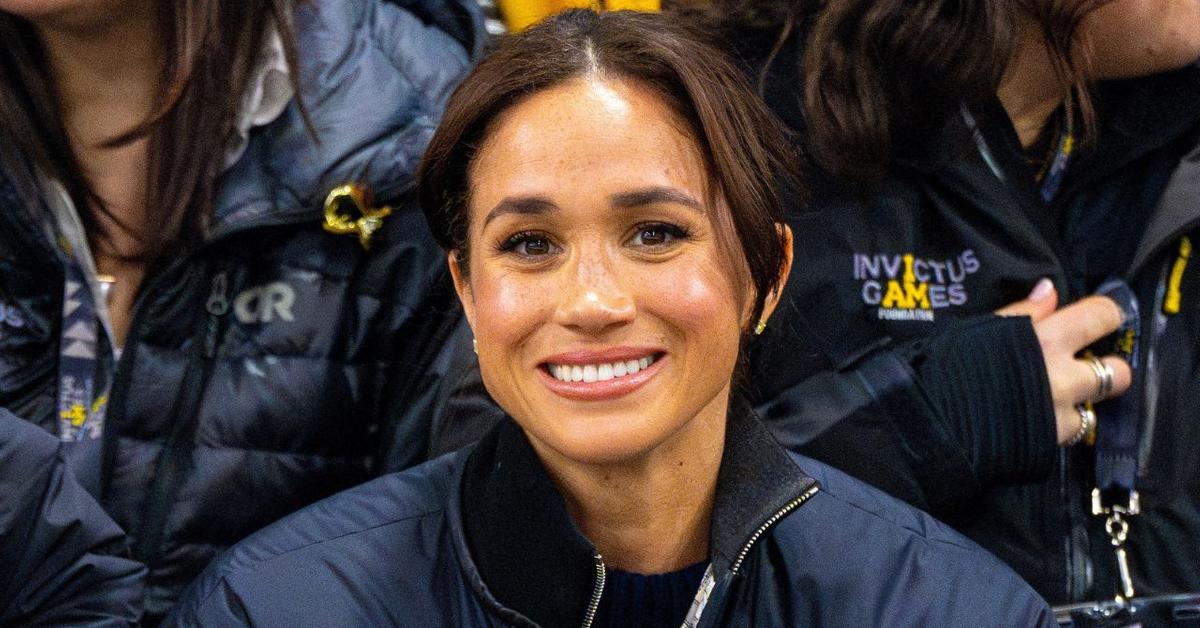
A reported plan to bring Meghan Markle into Guy Ritchie’s Netflix crime series The Gentlemen has been pulled back following a sharp response in the U.K., according to veteran journalist Tina Brown.
Brown wrote on her Substack on Saturday, Aug. 22, that she had learned the Duchess of Sussex’s rumored casting in a third season of the show was no longer moving forward. “The backlash in the U.K. was so intense, it became untenable to go forward,” Brown wrote, adding that the development did not signal an easy path for Markle if she is attempting a return to acting.
Netflix has not publicly announced Markle as part of the cast of The Gentlemen, and the streamer has not confirmed that any role was formally offered or accepted. Representatives for Markle and Netflix did not immediately respond to requests for comment. As of now, Brown’s account remains a report from a well-connected media figure rather than an official studio statement.
Still, the claim has quickly become a talking point because of what it represents: the complicated intersection of celebrity, monarchy, streaming strategy and public appetite. Markle, who became widely known to television audiences as Rachel Zane on USA Network’s Suits, stepped away from acting after her engagement to Prince Harry. Since relocating to California, she has built a media and lifestyle profile through producing, podcasting and unscripted projects, but a scripted acting role would mark a meaningful shift in how she engages with Hollywood.
The Gentlemen, based on Ritchie’s 2019 film of the same name, has become one of Netflix’s more recognizable British-flavored genre titles. Its blend of aristocratic privilege, criminal enterprise and deadpan violence gives it a tone that is both glossy and distinctly Ritchie-esque. For a high-profile figure like Markle, an appearance in that world would have generated instant attention — and, as Brown suggested, immediate resistance from audiences and commentators who closely follow the Sussexes’ every move.
Why the Report Resonates
The story matters less because of one unconfirmed casting turn and more because it underscores the unusually narrow lane Markle must navigate. Most former TV stars can test the waters with a guest role, a cameo or a prestige ensemble part without triggering an international debate. Markle cannot. Any acting choice would be interpreted through the lens of her royal past, her public criticism of the institution, her commercial deals and her polarizing status in the British press.
For Netflix, the optics would also be delicate. The streamer has maintained a significant relationship with the Duke and Duchess of Sussex through their production company, Archewell Productions, including the docuseries Harry & Meghan. Casting Markle in one of Netflix’s scripted U.K.-set franchises would inevitably raise questions about whether the move was creative, strategic or promotional. Even if the part were small, the headlines would likely dwarf the role itself.
That is the kind of distraction studios and showrunners often try to avoid, particularly on returning series with an established tone and ensemble. A casting decision can become a marketing advantage when the public conversation aligns with the project. It can become a liability when the conversation overwhelms the work. Brown’s suggestion that the backlash made the move “untenable” points to that calculation.
The Industry Context
Hollywood has a long history of leveraging famous names to energize series, especially in the streaming era, where visibility is currency. A recognizable guest star can help a show break through the content glut, drive social engagement and attract casual viewers who might not otherwise sample a new season. But the same logic can backfire when a performer arrives with a controversy machine attached.
Markle’s situation is especially unusual because her celebrity is not rooted solely in entertainment. She is a former working royal, a tabloid fixture, a philanthropic figure, a producer and a lifestyle entrepreneur. That makes her valuable from a media-attention standpoint, but it also means any creative move carries baggage that another actor with similar screen experience would not bring.
There is also the question of what kind of acting comeback would make sense. A sharp supporting part in a stylish ensemble could be a low-risk way to reintroduce Markle to scripted television. But a role in a series so deeply tied to British class dynamics and aristocratic satire may have been particularly combustible, given the ongoing public fascination with her relationship to the royal family and the U.K. establishment.
For Ritchie’s series, the report arrives amid heightened interest in how Netflix extends its global hits. Streamers increasingly rely on recognizable franchises and repeatable worlds, and The Gentlemen has the ingredients Netflix likes: international appeal, a clear brand identity and room for high-profile casting. Any future season will be watched closely not only for its storylines but for how aggressively the streamer uses celebrity casting to keep the property in the conversation.
What Happens Next
If Brown’s report is accurate, the immediate next step is likely silence rather than clarification. Studios rarely confirm roles that were never formally announced, and talent teams often prefer to let speculative casting stories fade unless there is a need to correct the record.
For Markle, the larger question remains whether she intends to return to scripted performance at all. If she does, the safest path may be a project where her involvement is unveiled only after production is locked, reducing the window for preemptive backlash. A role outside the British establishment milieu could also help separate the work from the royal narrative.
For Netflix and The Gentlemen, the reported withdrawal is a reminder that star power can cut in multiple directions. The right name can expand a show’s audience overnight. The wrong level of noise can make even a buzzy idea too complicated to pursue.