
Why This Matters
Kjell Nilsson’s death at 76 closes a distinctive chapter in action-cinema history: the era when a performer could become unforgettable with little dialogue, a towering physical presence and one indelible image. Nilsson, the former weightlifter who played Lord Humungus in The Road Warrior, died in Australia following a four-year battle with kidney disease, according to a family update shared on his Facebook page.
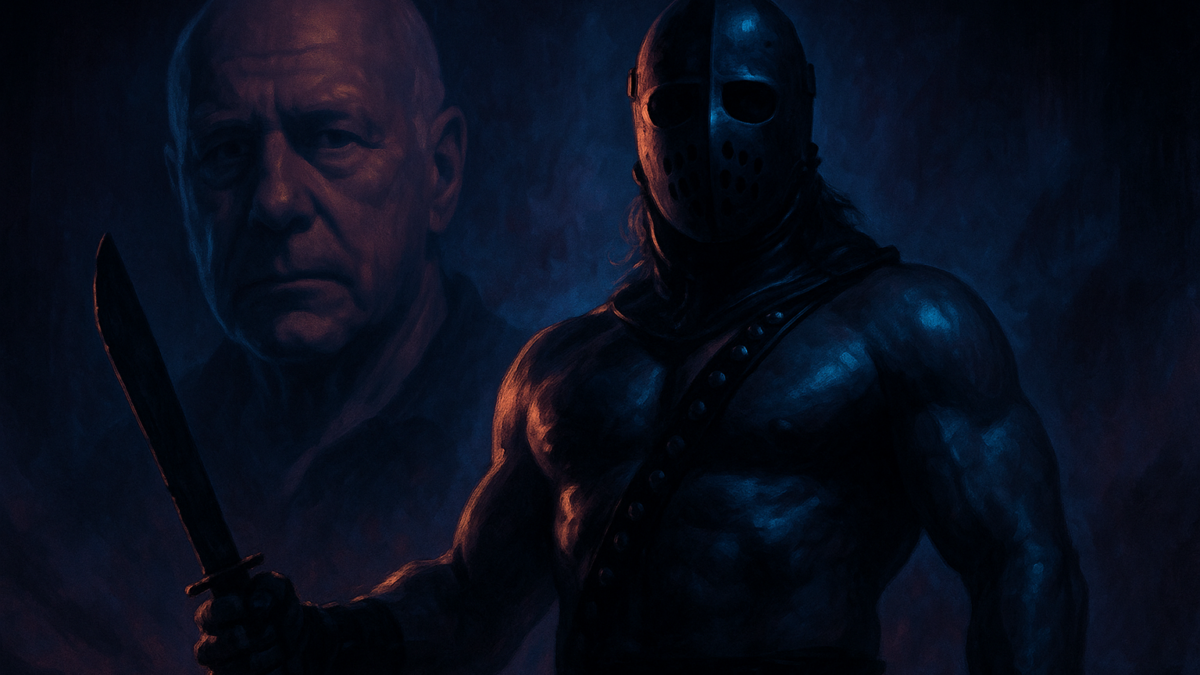
For many moviegoers, Nilsson’s name may not have carried the instant recognition of the character he embodied. But Lord Humungus, the hockey-masked warlord who terrorizes the desert wasteland in George Miller’s 1981 sequel to Mad Max, has endured as one of the genre’s most memorable screen villains. He was less a conventional antagonist than a nightmare silhouette: muscular, masked, theatrical and strangely persuasive as the leader of a violent marauding tribe.
That kind of screen impact is rare. Nilsson’s performance worked because it leaned into the physical language of the film’s world. The Road Warrior is built on machinery, dust, scars and survival instincts, and Lord Humungus fit into that landscape like a brutal monument. His appearance alone communicated backstory, menace and authority before he issued a threat or made a demand.
The role also speaks to the way cult cinema creates lasting legacies. Nilsson did not need a long filmography to earn a permanent place in pop culture. One role, placed inside one of the most influential action films of the late 20th century, was enough. Decades later, the character remains a touchstone for fans of dystopian storytelling, practical stunt work and the rough-edged mythology of the Mad Max universe.
His passing will resonate especially with those who view The Road Warrior not simply as a sequel, but as a turning point in how action movies could look and feel. Nilsson’s contribution was part of that alchemy. He gave the film a villain who was grand, grotesque and strangely charismatic, a figure whose menace helped define the stakes of Max Rockatansky’s blasted world.
Industry Context
Released internationally as The Road Warrior and known in Australia as Mad Max 2, the film helped transform George Miller’s outback dystopia into a global cinematic language. Its stripped-down storytelling, vehicular mayhem and punk-inflected production design would influence decades of genre filmmaking, from studio blockbusters to music videos, video games, comic books and low-budget post-apocalyptic features.
Nilsson’s casting reflected a filmmaking tradition that has become less common in the age of digital effects and franchise polish. Miller’s world was populated by performers whose bodies, faces and movement brought authenticity to the frame. Former athletes, stunt players and physically striking character actors helped make the wasteland feel inhabited by people who had been reshaped by catastrophe.
Lord Humungus remains a prime example of that approach. The character’s power came from design and presence as much as plot. In an industry now dominated by extended universes and elaborate villain origin stories, Nilsson’s performance is a reminder that mystery can be more effective than explanation. Audiences never needed to know every detail about Humungus’ past. The mask, the voice, the posture and the command over his followers did the work.
That economy of characterization is one reason the film has aged so well. The best genre villains often operate as symbols, and Lord Humungus became a symbol of post-collapse authority: part strongman, part cult leader, part battlefield preacher. His attempt to project control over chaos made him a memorable counterweight to Mel Gibson’s Max, a hero defined by reluctance and emotional damage rather than traditional nobility.
Nilsson’s death also arrives at a time when the Mad Max franchise continues to command serious attention across the industry. Miller revived the series to major acclaim with Mad Max: Fury Road, and the mythology has remained fertile ground for discussions about practical action, world-building and the power of visual storytelling. The continued relevance of those films has kept earlier performers, including Nilsson, in the orbit of new generations of fans.
In Hollywood terms, Nilsson’s career is a study in how a single screen appearance can become bigger than a résumé. The entertainment business often measures impact by box office totals, awards recognition or long-running credits. Cult cinema measures it differently: by images fans remember, lines they quote, costumes they recreate and characters that survive far beyond their original release window. By that standard, Nilsson leaves behind a formidable legacy.
What Happens Next?
In the immediate term, tributes from fans of the Mad Max franchise are likely to continue across social media, genre forums and fan communities. Nilsson’s family announcement has already given admirers a focal point for remembrance, and the affection surrounding Lord Humungus underscores how deeply the character remains embedded in action-movie culture.
There may also be renewed attention on The Road Warrior itself, particularly among younger viewers who discovered the franchise through later entries. Streaming rentals, repertory screenings and collector discussions often surge after the death of a performer associated with a beloved genre work. Nilsson’s passing gives audiences another reason to revisit the film and recognize the ensemble of faces and bodies that made its world so vivid.
For the industry, his legacy is less about career volume than cinematic permanence. Nilsson helped create a villain who still feels dangerous, strange and visually potent more than four decades after the film’s release. As Hollywood continues to mine familiar worlds for new stories, his work stands as a reminder that a franchise’s mythology is often built by performers who make a few minutes of screen time feel monumental.
Nilsson is survived on screen by an image that has never really faded: a masked ruler standing in the wasteland, commanding attention through force, mystery and presence. For an actor making his debut in a film that would become a genre landmark, that is no small achievement. His death marks the loss of the man behind one of action cinema’s most enduring monsters, but the shadow of Lord Humungus will remain long after the engines stop roaring.