
Why This Matters
Danny Glover’s disclosure that he has been living with Alzheimer’s disease for several years lands with unusual force because his public identity has long been tied to steadiness, moral clarity and endurance. For generations of moviegoers, Glover is not simply one half of a blockbuster buddy-cop pairing; he is an actor whose screen presence has carried authority across studio franchises, prestige dramas, independent cinema and politically engaged projects.
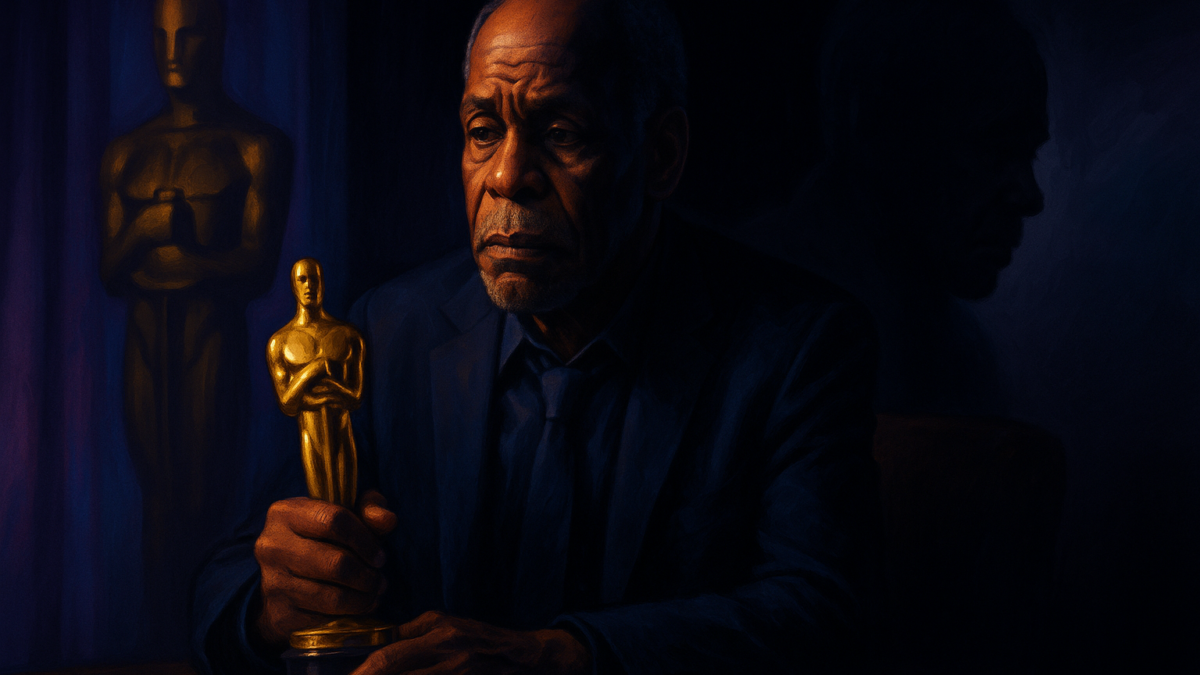
The 79-year-old actor, born in San Francisco, revealed the diagnosis during an interview on NBC’s “Today,” saying it came not long after he received the Jean Hersholt Humanitarian Award at the 2022 Governors Awards. That timing gives the news a poignant dimension. The honorary Oscar recognized Glover not only for his body of work, but for decades of advocacy around labor, civil rights, global justice and humanitarian causes. Soon after being celebrated by Hollywood for a lifetime of public service, he began privately navigating a disease that can gradually alter memory, communication and independence.
For audiences, the announcement is a reminder that legacy in entertainment is not frozen in red-carpet images or familiar film clips. It continues in the quieter chapters that stars often manage away from view. Glover’s decision to speak publicly may help demystify a condition that remains frightening for families and stigmatized in many communities. Alzheimer’s is frequently discussed in medical or caregiving terms, but when a widely admired cultural figure addresses it directly, the conversation can become more accessible and less isolating.
It also matters because Glover occupies a rare place in Hollywood history. His role as Roger Murtaugh in the “Lethal Weapon” films made him an international star, but his career was never defined solely by commercial success. He brought emotional weight to films such as “The Color Purple,” “Places in the Heart” and “To Sleep with Anger,” while continuing to appear in genre pictures, television projects and independent productions. That range gave him credibility across audiences that do not always overlap: action fans, cinephiles, activists and industry peers.
By sharing his diagnosis, Glover adds another layer to a public life already marked by candor and civic engagement. The revelation invites sympathy, but it should not reduce him to his illness. His career remains a significant record of craft, persistence and conviction. The news matters because it reminds the industry and the public that artists age, face illness and deserve to be seen in full, not only through the lens of their most vulnerable moments.
Industry Context
Hollywood has been confronting aging, disability and neurological illness more openly in recent years, though unevenly. Performers have traditionally been pressured to maintain an illusion of physical and mental invincibility, especially those associated with action franchises or long-running screen personas. Glover’s disclosure cuts against that expectation. It arrives at a moment when entertainment figures are increasingly choosing transparency over silence, while fans and studios are being asked to rethink what support looks like for artists with changing health needs.
The business has always depended on familiar faces, but it has not always built humane systems around them. A performer dealing with Alzheimer’s may face challenges with memorization, scheduling, travel and publicity obligations. Those realities do not automatically remove someone from creative life, but they do require flexibility, planning and respect. Productions can make accommodations, families can help manage public engagements, and representatives can draw clearer boundaries around what is appropriate to ask of a performer.
Glover’s case is also significant because he has long used celebrity as a platform for causes beyond entertainment. The Jean Hersholt Humanitarian Award is not a routine career trophy; it is the film academy’s recognition of sustained humanitarian contribution. For Glover, that recognition reflected decades of involvement in human rights advocacy, labor solidarity and international issues. The fact that his diagnosis followed such an honor underscores the contrast between public celebration and private vulnerability that many artists experience late in life.
There is also a broader cultural dimension. Alzheimer’s disproportionately affects older adults, and access to diagnosis, treatment, caregiving resources and long-term support varies widely. Public figures can help drive attention to those inequities, particularly when their own histories connect to social justice. Glover’s voice has carried weight in activist circles for years, and his openness may encourage more discussion about aging, health care access and the emotional burden placed on families and caregivers.
From an industry perspective, the news may prompt renewed appreciation of Glover’s contributions at a time when Hollywood is reassessing the careers of actors who helped define the late 20th century. His work in “Lethal Weapon” made him a cornerstone of one of Warner Bros.’ most durable franchises, but his impact extends far beyond that series. He has been a character actor, leading man, producer, activist and elder statesman. Any accounting of his career must include both his commercial influence and his role in expanding what a politically engaged Hollywood career can look like.
What Happens Next?
For now, the immediate next step is likely not a single industry decision but a period of public response. Fans, colleagues and advocacy organizations are expected to rally around Glover with messages of support, while the disclosure may bring new attention to Alzheimer’s research and caregiving resources. Because he has already been honored by the academy for humanitarian work, the entertainment community may also look for appropriate ways to recognize both his artistic legacy and his continued dignity as he manages the disease.
Glover has not needed a new project to justify his standing in the business. His filmography is already substantial, and his influence is secure. What changes now is the public understanding of what he has been carrying in recent years. Appearances, interviews and professional commitments may be approached with greater care, and those around him will likely prioritize his comfort and privacy. The most responsible response from the industry is not speculation about his limitations, but respect for his autonomy and the support system around him.
The disclosure may also create opportunities for meaningful advocacy if Glover chooses to participate. Many public figures who reveal serious diagnoses become reluctant symbols for a cause, but Glover’s long record suggests he understands the power and cost of visibility. Whether he speaks further about Alzheimer’s or steps back from public discussion, the choice should remain his. The value of the revelation is already clear: it has opened a conversation without requiring him to become defined by it.
In the months ahead, the entertainment world will likely revisit Glover’s career with renewed attention, from his blockbuster success to his quieter dramatic work and his activism off screen. That reassessment should be more than nostalgic. It should recognize an artist whose career bridged mainstream cinema and social conscience, and whose latest public statement asks for empathy without surrendering dignity.
What happens next will depend on Glover, his family and his medical reality. For the industry and the audience, the task is simpler: honor the work, respect the man and allow this chapter to unfold without reducing a remarkable life to a diagnosis.