
Why This Matters
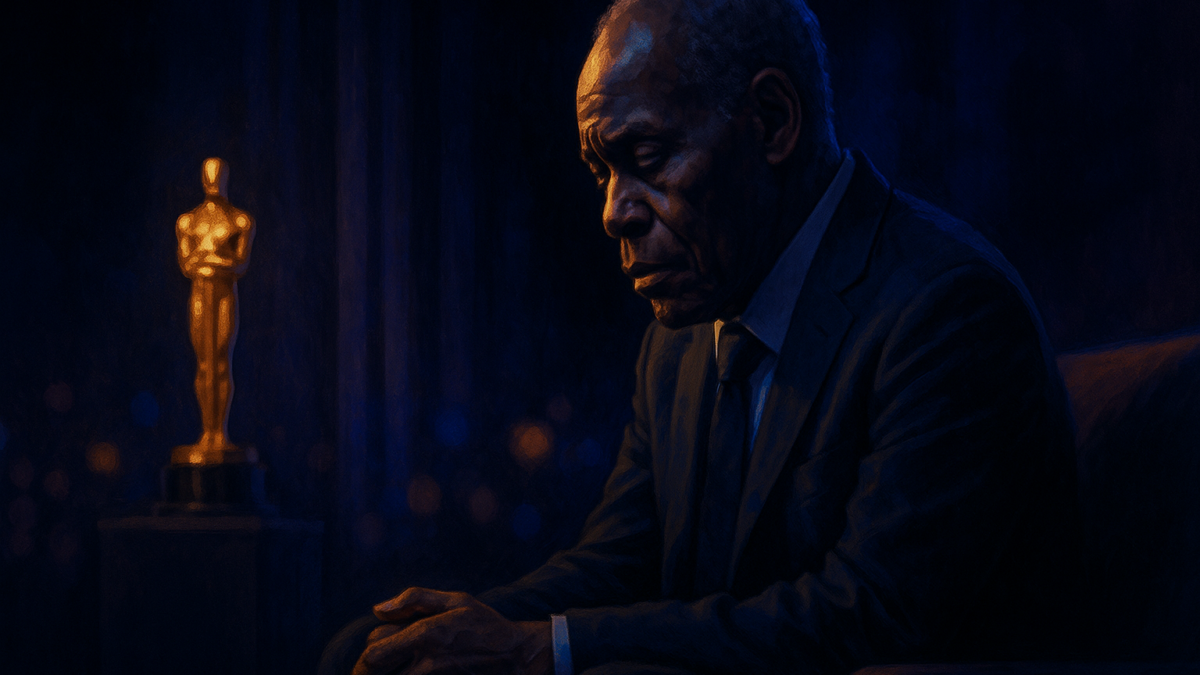
Danny Glover’s disclosure that he has been living with Alzheimer’s disease for several years lands with unusual force because his public image has long been tied to stamina, moral clarity and a career built across film, television and activism. The 79-year-old actor, best known globally for playing Roger Murtaugh in the “Lethal Weapon” franchise, shared the diagnosis in an interview on “The Today Show,” saying it came not long after he received the Jean Hersholt Humanitarian Award at the Academy’s Governors Awards in 2022.
For audiences, Glover is not simply a familiar screen presence. He is one of the rare Hollywood figures whose work as an actor and advocate has been intertwined for decades. His honorary Oscar recognized humanitarian efforts connected to justice, labor rights and human rights, extending his legacy well beyond box office success. That context makes the timing of his diagnosis especially poignant: a career milestone honoring a lifetime of public service was followed by a private health challenge that he is now choosing to discuss publicly.
Glover addressed the illness with restraint and candor, saying, “I can live with it in a sense,” while acknowledging that the disease may bring changes as it advances. That type of public statement matters in an industry where aging performers often disappear from view without explanation, and where health disclosures are frequently managed through carefully worded representatives’ statements rather than first-person reflection.
His decision to speak openly also adds another prominent voice to conversations around Alzheimer’s, a disease that affects millions of families and remains among the most feared diagnoses associated with aging. When a figure with Glover’s stature discusses living with the condition, it can reduce stigma and give audiences a more human, less abstract understanding of what the disease looks like in its earlier stages.
Industry Context
Hollywood has increasingly been forced to reckon with the realities of aging, cognitive health and long-term care among its most recognizable stars. In recent years, public revelations involving major entertainers and neurological or cognitive conditions have reshaped how studios, unions, agents and fans think about career longevity. The industry’s older performers are often celebrated at awards galas, anniversary screenings and lifetime-achievement events, but the infrastructure around them can be less visible once health issues arise.
Glover’s career gives that conversation added dimension. Emerging from stage work and politically conscious cinema, he became an international star through the “Lethal Weapon” films opposite Mel Gibson, bringing warmth, exasperation and grounded humanity to a blockbuster franchise defined by action and buddy-cop chemistry. His “I’m too old for this” refrain became one of the most quoted lines in modern studio filmmaking, though Glover’s broader body of work has always been more expansive than a single role.
His credits include acclaimed dramas, independent films, television projects and voice work, reflecting a performer who moved between commercial cinema and socially engaged storytelling. Just as significantly, Glover became known as an activist who used his platform to champion causes that were not always fashionable within the entertainment establishment. That dual identity helped make the Academy’s Jean Hersholt Humanitarian Award feel less like a ceremonial footnote and more like a recognition of the full architecture of his public life.
The disclosure also arrives at a moment when the entertainment business is reexamining how it supports performers over time. The Covid era, labor strikes and broader concerns about health coverage, residuals and economic security have exposed vulnerabilities across the creative workforce. While stars of Glover’s generation may appear insulated from those pressures, their experiences can still highlight gaps in how the industry handles illness, caregiving and dignified participation for artists whose capacity may evolve.
There is also a cultural component. Film and television have often depicted Alzheimer’s through melodramatic or end-stage narratives, emphasizing loss, fear and family crisis. Glover’s public comments offer a different frame: a person still present, still articulate about his experience and still in control of how he wants to be understood. That distinction is important for an audience accustomed to seeing health stories reduced to either tragedy or triumph.
What Happens Next?
Glover has not indicated that the diagnosis is tied to any immediate professional announcement, and there is no suggestion from his interview that he is seeking sympathy or a formal farewell from public life. Instead, his remarks appear to mark a personal decision to make his condition known after several years of living with it privately.
For the entertainment community, the response is likely to be one of respect, gratitude and renewed appreciation for a career that helped define multiple eras of American screen acting. Former collaborators, fans and advocacy organizations may use the moment to highlight both Glover’s work and the broader need for Alzheimer’s research, support services and public awareness.
The most meaningful next chapter may not be a specific role, appearance or tribute, but the way Glover’s disclosure deepens the public conversation around artists aging in view of the audiences that grew up with them. His legacy was already secure through his performances and activism. By speaking plainly about Alzheimer’s, he has added another act of public candor to a life marked by visibility, conviction and service.