
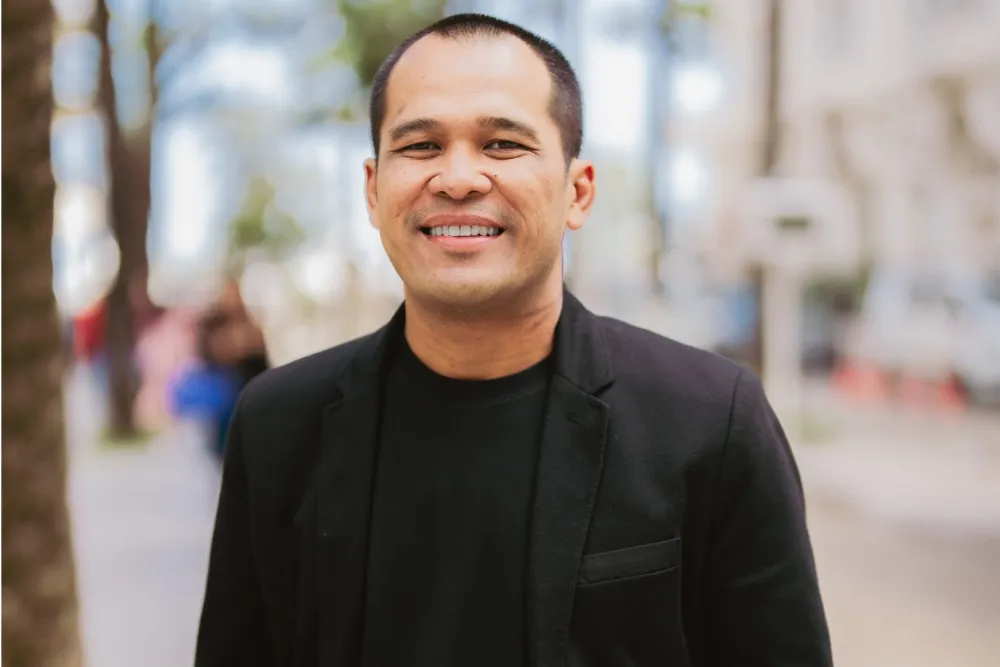
Southeast Asian cinema’s rising quality and international visibility will not become lasting progress without sustained cultural investment, according to Jogja-Netpac Asian Film Festival director Ifa Isfansyah.
Isfansyah argues that the region’s recent recognition remains driven largely by standout filmmakers and individual titles rather than durable national systems. While he identifies the Philippines as a consistent force in developing talent and maintaining an international presence, he cautions against viewing wider regional success as evidence of a structural transformation.
“I would say that, for now, it is still more of an anomaly than a fundamental structural shift,” Isfansyah told Variety. He said international attention is still tied primarily to the strength of particular films and filmmakers instead of sustained strategies that establish cinema as part of a country’s cultural infrastructure.
For Isfansyah, governments must look beyond film’s commercial potential or its ability to generate national prestige. He is calling for long-term investment, institutional backing and continuing relationships with the international film community.
His perspective comes from both the festival and production sides of the business. Isfansyah founded Forka Films, formerly Fourcolours Films, in 2001. His producing credits include Kamila Andini’s “Yuni” and “Before, Now & Then,” along with her latest film, “Four Seasons in Java,” which played Toronto’s Centerpiece program and Busan this year.
JAFF’s “Influx” Edition Reflects a Changing Region
The 21st edition of JAFF received more than 1,000 submissions before selecting 254 films from 34 countries. Presented under the theme “Influx,” the program opens with Lawrence Fajardo’s Filipino drama “Silenced Nights” and closes with Ueda Makoto’s Japanese comedy-drama “You Are the Film.”
The theme considers the currents reshaping Asian cinema, including a new generation challenging established storytelling traditions and changes in film financing and audience access. Isfansyah said those developments should not be viewed only through the lens of technology or industry. He believes the bigger questions concern which voices are determining Asian cinema’s direction and what kind of future the region is collectively creating.
That outlook also informed the festival’s response to the current social, political and economic climate. Isfansyah said the JAFF team did not want to stage a celebration detached from surrounding realities or create an excessively festive mood that suggested everything was fine.
“Silenced Nights” was chosen to open the festival because Isfansyah believes it speaks to present-day anxieties. Its placement was intended to affirm that cinema should remain engaged with the world and that festivals must be willing to face difficult realities.
By contrast, the closing selection reconnects JAFF with its roots while also reaching toward younger viewers. Isfansyah described “You Are the Film” as the kind of sincere, imaginative work with a strong cinematic voice that originally inspired the festival. Its scale is part of the point: he maintains that a movie does not need to be large to have power.
Creative Risks, Political Urgency and Local Growth
Across this edition’s submissions, Isfansyah observed filmmakers becoming more adventurous, particularly in short-form work. More shorts are experimenting with structure and dissolving boundaries between fiction and nonfiction. In his view, the format is increasingly functioning as a home for creative risk rather than simply a route toward making features.
He also detected a stronger political impulse in many films, although that did not always involve direct engagement with institutions or particular events. Instead, the work showed what he described as a growing urgency among filmmakers to respond to the realities around them.
Looking at Indonesia’s local box office boom, Isfansyah rejects a strict divide between commercial, arthouse, independent and genre filmmakers. He said many directors know one another, share ideas, support each other’s projects and compete in productive ways.
Commercial successes, he argued, can bring more viewers into theaters, increase attention on local movies and attract investment. At the same time, challenging independent films preserve the industry’s diversity and credibility.
JAFF applies a similarly broad outlook to programming. Premiere status has never been its primary measure when considering a film. The festival instead weighs whether a title deserves a place in the lineup and whether it has already received a fair opportunity to connect with JAFF’s audience. A film can therefore remain eligible even if it has premiered elsewhere.
ShowBiz Take
Isfansyah’s argument matters because JAFF’s own development illustrates the difference between isolated recognition and building an enduring film culture. Its 21st edition is not focused solely on showcasing finished movies; the festival is expanding the network of audiences, creators, institutions and industry figures around them.
This year JAFF introduced JAFF Kids for children and young audiences, as well as the JAFF Awards, honoring individuals, institutions and initiatives that have contributed to film culture in Indonesia and across the wider region. Earlier programs, the JAFF Community Forum and JAFF Market, have grown into parallel events in their own right.
As JAFF moves through its third decade, Isfansyah wants the festival to reinvest in the ecosystem that enabled its growth. However large it becomes, he says its foundation must remain emerging talent, industry professionals and academics — and the conversations among them.
“For me, being community-driven does not mean remaining small,” Isfansyah said. “It means remembering that the festival exists because of the people who build it, participate in it, and give it meaning.”