
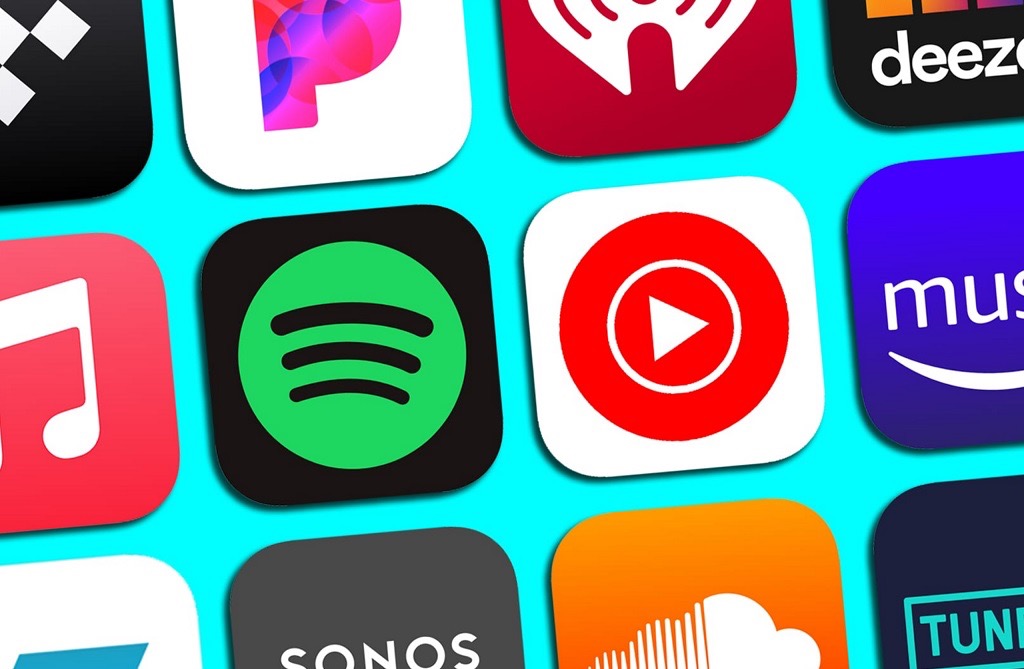
The music business has undergone numerous transformations throughout its history, from vinyl records and cassette tapes to CDs and digital downloads. Yet few innovations have had a greater impact than music streaming.
Today, streaming platforms dominate music consumption worldwide, fundamentally changing how songs are distributed, discovered, marketed, and monetized. Artists, record labels, and fans have all adapted to a business model that would have seemed unimaginable just two decades ago.
Music streaming has permanently reshaped the industry.
The End Of Physical Dominance
For much of the twentieth century, the music industry depended on physical sales.
Consumers purchased:
- Vinyl records
- Cassette tapes
- Compact discs
Revenue was tied directly to unit sales. The more albums sold, the more money artists and labels generated.
The rise of digital technology disrupted that model and eventually paved the way for streaming services.
The Shift To Access Over Ownership
Streaming introduced a new concept: access instead of ownership.
Rather than purchasing individual albums or songs, consumers gained access to vast music libraries through monthly subscriptions or ad-supported services.
This convenience dramatically changed listening habits.
Millions of songs became instantly available on smartphones, tablets, computers, and smart devices.
For many listeners, streaming quickly became the preferred way to consume music.
Discovery Has Changed Forever
One of streaming’s most important contributions is music discovery.
Algorithms and personalized recommendations help listeners find artists and songs they may never have encountered through traditional radio or retail channels.
Playlists have become powerful promotional tools.
Landing on a popular playlist can introduce an artist to millions of potential fans almost overnight.
Discovery has become increasingly driven by data and user behavior.
Global Audiences Are More Accessible
Streaming removed many geographic barriers.
Artists can now reach listeners around the world without relying on physical distribution networks.
A song released in one country can quickly gain popularity internationally through:
- Streaming platforms
- Social media
- User-generated content
- Playlist placements
This global accessibility has expanded opportunities for artists across every genre.
The Economics Of Streaming
While streaming has increased access to music, it has also sparked ongoing debates regarding artist compensation.
Revenue is typically generated through:
- Paid subscriptions
- Advertising
- Licensing agreements
Payments are distributed among rights holders, record labels, publishers, songwriters, and performers.
Many artists argue that streaming royalties remain too low, while platforms emphasize the scale and reach they provide.
The discussion continues as the industry searches for sustainable solutions.
Social Media And Streaming Work Together
Modern music success often involves a combination of streaming and social media.
Platforms help:
- Introduce songs to new audiences
- Create viral moments
- Drive streaming activity
- Encourage fan engagement
A viral clip can dramatically increase streams and chart performance within days.
The relationship between social media and streaming has become one of the most important dynamics in modern music marketing.
Independent Artists Have New Opportunities
Streaming has lowered barriers to entry.
Independent musicians can distribute their work directly to global audiences without requiring traditional record deals.
Artists now have more control over:
- Distribution
- Marketing
- Branding
- Fan relationships
While competition is intense, opportunities for independent creators have expanded significantly.
Record Labels Are Adapting
Major record labels remain powerful forces in the music business.
However, their role has evolved.
Labels increasingly focus on:
- Artist development
- Marketing
- Global promotion
- Playlist strategy
- Data analysis
The ability to navigate the streaming ecosystem has become a critical component of modern music success.
The Future Of Music Streaming
Technology will continue shaping how music is consumed and monetized.
Artificial intelligence, immersive experiences, enhanced personalization, and new forms of fan engagement may influence the next generation of music platforms.
The industry continues evolving alongside changing consumer expectations.
Final Take
Music streaming transformed the industry by making songs more accessible, expanding global reach, and creating entirely new methods of discovery and promotion.
While debates over compensation and business models continue, there is little doubt that streaming has become the foundation of modern music consumption.
As technology advances, streaming will remain one of the most influential forces in the future of music.
ShowBiz Originals delivers exclusive analysis, commentary, and insights covering the business of entertainment, movies, television, music, streaming, gaming, and celebrity culture.