
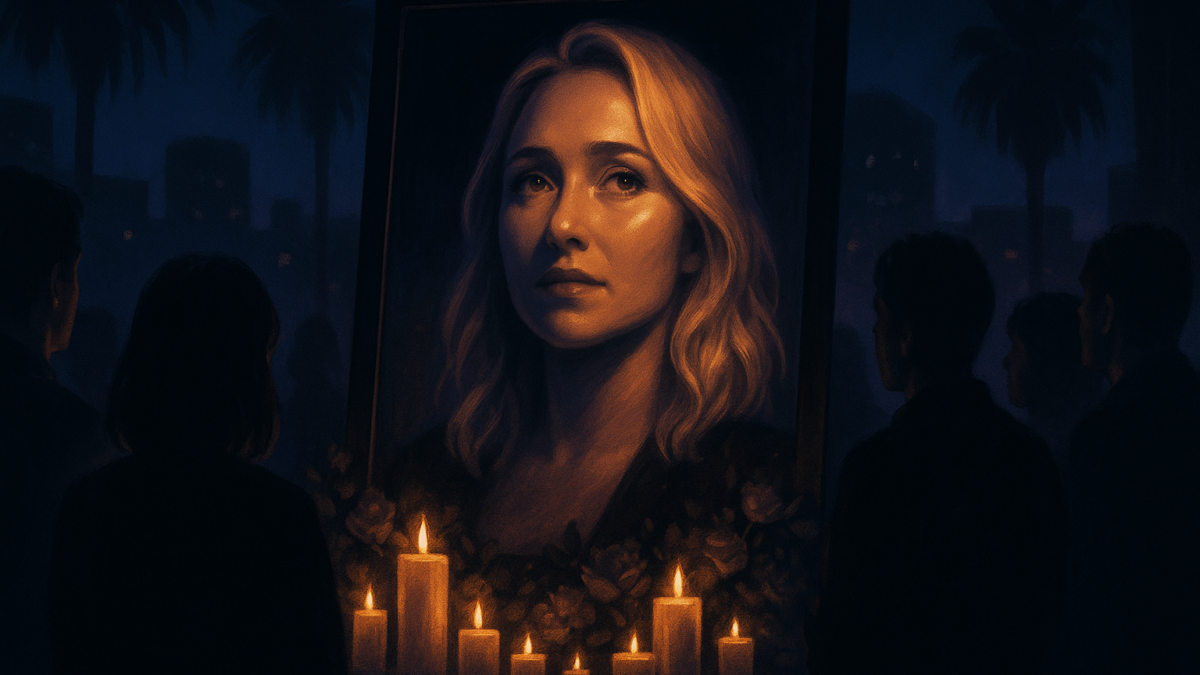
Hayden Panettiere, the actor who became a household name through defining roles on “Heroes” and “Nashville,” has died at 36, prompting an outpouring of grief across Hollywood from colleagues, friends and longtime fans who watched her grow up on screen.
News of Panettiere’s death broke Aug. 16, with those close to the actor sharing tributes that reflected both the shock of her loss and the deep affection she inspired over a career that began when she was still a child. A statement announcing her death opened with the words, “It is with profound sadness,” underscoring the sense of heartbreak surrounding the news. No additional details were immediately available.
Within hours, social media filled with messages remembering Panettiere not only as a gifted performer, but as someone whose warmth, humor and candor left a lasting impression on those who worked with her. Former costars, crew members and fans described her as a vibrant presence who carried a rare combination of professionalism and vulnerability, particularly in an industry that often demands young performers grow up in public.
Panettiere’s death marks the loss of an actor whose career bridged multiple eras of television and film. She was part of a generation of performers who became familiar to audiences before the rise of streaming transformed the business, then remained culturally visible as television entered its prestige and franchise-driven phases.
A Career Built in the Public Eye
Panettiere began acting as a child, appearing in commercials and television roles before transitioning into film and voice work. For many viewers, she first registered as a young performer with an ability to bring emotional clarity to roles that could easily have been one-dimensional. That skill followed her into adulthood, helping her move from child star to leading television presence.
Her breakout for a global audience came with NBC’s “Heroes,” where she played Claire Bennet, the indestructible cheerleader whose storyline helped define the show’s early popularity. The image of Claire discovering the limits — and burdens — of her powers became one of the signature visuals of network television in the mid-2000s. “Heroes” arrived at a moment when superhero storytelling was expanding beyond comic-book loyalists and into mainstream primetime, and Panettiere’s performance gave the series one of its most emotionally accessible anchors.
She later found a second signature role on ABC’s “Nashville,” playing Juliette Barnes, a country music star whose confidence masked deep insecurity and personal pain. The part allowed Panettiere to showcase dramatic range as well as musical ability, and it became one of the performances most closely associated with the series. “Nashville” attracted a devoted fan base and became an important example of how music-driven drama could sustain itself across network and cable platforms.
Panettiere also appeared in films including the “Scream” franchise, where her role as Kirby Reed won a loyal following among horror fans. Her return to the character years later was greeted as a fan-favorite comeback, reinforcing the breadth of audiences who had connected with her work across genres.
Why Her Loss Resonates
The reaction to Panettiere’s death speaks to more than nostalgia. She occupied a distinct place in entertainment culture: a performer audiences first met as a child, then continued to follow through adulthood, professional reinvention and personal adversity. That kind of visibility can create a powerful bond between actor and audience, particularly when the performer has been open about life beyond the red carpet.
Panettiere had spoken publicly over the years about difficult chapters in her life, including struggles that many fans found relatable and courageous to discuss. In doing so, she became part of a broader shift in Hollywood, where conversations around mental health, recovery and the pressures placed on performers have become more open than they were when she entered the business.
Her career also highlights the complicated path faced by child actors. The industry often celebrates youthful talent while offering limited protection from the scrutiny that follows. Panettiere’s longevity was notable because she managed to remain relevant through multiple stages of an unpredictable business, building a résumé that included daytime television, primetime hits, studio films, animation, music and horror.
For studios and networks, her work remains tied to properties with lasting value. “Heroes” continues to be remembered as a major network phenomenon, while “Nashville” maintains a strong afterlife through streaming and music fandom. Her presence in “Scream” connected her to one of horror’s most enduring franchises. Those credits ensure that her performances will continue to circulate for new viewers, even as the industry processes her loss.
Tributes From Across the Entertainment Community
Many of the tributes that followed the announcement focused on Panettiere’s generosity on set and her ability to bring humanity to high-profile roles. Fans shared clips from “Heroes,” emotional scenes from “Nashville” and moments from interviews in which she spoke with disarming honesty. The range of those posts reflected the unusual span of her career: viewers remembered her from childhood roles, teen stardom, primetime drama and genre film.
That breadth is part of why the news landed so heavily. Panettiere was not confined to a single audience. She was known to network TV viewers, country music fans, horror devotees and those who had followed celebrity culture for decades. Her life and work intersected with multiple corners of the entertainment world, making the grief feel widespread and personal.
What Happens Next
Representatives and family members are expected to share further information about memorial plans in the days ahead. Until then, the entertainment community is likely to continue honoring Panettiere through personal remembrances, archival clips and reflections on the roles that made her a defining presence for a generation of viewers.
Her legacy will be measured not only by the shows and films that remain, but by the connection she built with audiences who saw in her performances both star power and emotional truth. At 36, her death leaves an undeniable absence — and a body of work that will keep her voice in the conversation for years to come.