
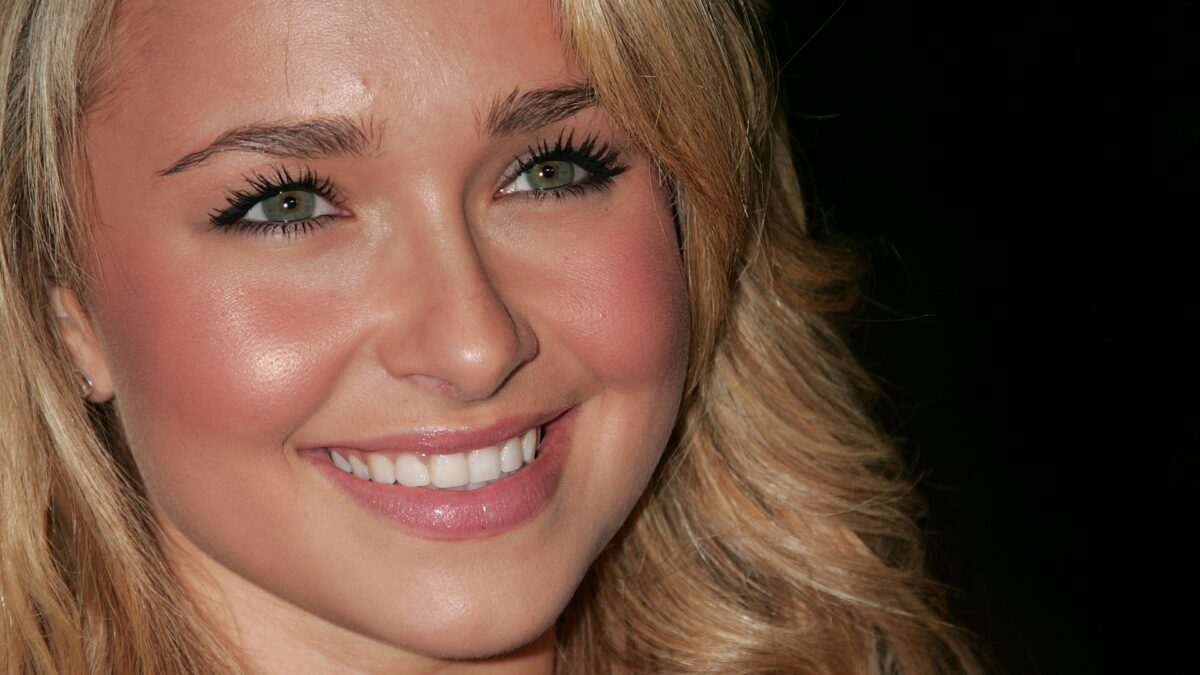
A wave of online posts alleging that Hayden Panettiere has died has prompted concern among fans, but there is no verified public confirmation of the actress’ death from her representatives, family or a recognized official source as of publication.
The speculation accelerated after social media accounts began circulating claims about Panettiere’s health and purported comments from a former co-star about her condition during a recent film project. Those posts have been widely shared across fan pages and entertainment forums, where admirers of the “Heroes” and “Nashville” star have expressed grief, confusion and frustration over the lack of clarity.
ShowBiz.com has not independently verified the claims surrounding Panettiere’s death or the alleged details about her health. In the absence of an official statement, the reports should be treated with caution.
The episode underscores a recurring problem in celebrity news: unverified health and death claims can move rapidly online, often outpacing confirmation from families, publicists, studios or local authorities. For performers with long public histories, especially those who have spoken candidly about personal struggles, speculation can quickly blur the line between public concern and invasive rumor.
Panettiere, 36, has spent much of her life in the public eye. She broke through as a child actor before becoming a household name with NBC’s “Heroes,” where she played Claire Bennet, a cheerleader with regenerative powers. She later earned critical and fan recognition for her role as Juliette Barnes on ABC and CMT’s country-music drama “Nashville.”
Her career has also included film work in the “Scream” franchise, voice performances and a long association with high-profile Hollywood projects that kept her connected to multiple generations of viewers. That familiarity is part of why the latest rumors have spread so quickly: Panettiere is not just a recognizable performer, but one whose off-screen life has frequently been discussed in public.
A public figure whose struggles were already part of the conversation
Panettiere has previously spoken in interviews about postpartum depression, addiction and the difficulty of navigating fame from a young age. Those admissions were widely covered at the time and were often praised by mental health advocates for helping destigmatize subjects that remain difficult for many people to discuss openly.
Because of that history, any new claims about her health carry particular sensitivity. Entertainment journalists and fans alike have a responsibility to distinguish between what Panettiere has chosen to share publicly and what remains private or unconfirmed.
That distinction matters. When a celebrity has acknowledged health challenges in the past, online speculation can sometimes treat those disclosures as permission to draw conclusions about unrelated events. It is not. Public honesty about one chapter of a person’s life does not justify assumptions about another.
The alleged co-star remarks circulating online have added another layer of attention, with some posts suggesting Panettiere appeared unwell during production on a recent project. Without a verified source, transcript, interview record or statement from the performer involved, those claims remain unsubstantiated.
Hollywood productions often operate under intense schedules, and actors may face physical or emotional pressures that are invisible to audiences. But industry observers caution that secondhand accounts, especially when shared after a rumor has already gained traction, can be misleading without context.
Why this story matters
Celebrity death hoaxes have become an increasingly familiar feature of the digital media cycle. They often begin with a post designed to look authoritative, then spread through reposts, algorithmic recommendations and emotionally charged fan reactions. By the time official sources respond, the rumor may already have reached millions.
For entertainment outlets, the stakes are high. Reporting inaccurately on a public figure’s death or medical condition can cause serious harm to family members, colleagues and fans. It can also undermine trust in legitimate journalism at a moment when audiences are already navigating a flood of unreliable information.
Panettiere’s situation is especially resonant because she has been candid about pain, recovery and the cost of public scrutiny. Fans who feel connected to her story may be inclined to react immediately to alarming claims. But that emotional investment is also why accuracy is essential.
Studios, representatives and unions have become more vigilant in recent years about misinformation involving performers. The rapid spread of false or premature reports can affect ongoing projects, business negotiations and the personal safety of those close to the celebrity involved.
In the broader entertainment industry, the episode is another reminder that stars are often discussed as brands long before they are treated as people. Health rumors, whether accurate or not, can become content in a matter of minutes. The human cost is rarely visible in the first wave of reaction.
What Happens Next
Until Panettiere’s representatives, family or a verified official source issues a statement, the claims circulating online remain unconfirmed. Fans seeking updates should rely on reputable outlets and direct statements rather than viral posts or anonymous social media accounts.
If any official information becomes available, it should be reported with care, context and respect for privacy. For now, the most responsible approach is to avoid amplifying unsupported claims and to remember that behind every celebrity rumor is a real person, a family and a community of colleagues affected by what is said in public.