
Family offices have moved from discreet wealth-management vehicles to major power brokers in entertainment, with the Ellison family’s backing of Skydance providing the clearest example yet of their growing influence.
David Ellison’s dealmaking included an $8 billion acquisition of Paramount and CBS, followed by his pursuit of Warner Bros., HBO, CNN, Discovery and other channels. That campaign culminated in the closing of a $111 billion Warner Bros. Discovery transaction on Oct. 6, creating an enlarged Skydance through what was described as the biggest media acquisition in 25 years.
Behind those transactions stands Lawrence Investments, which manages the fortune of David’s father, 82-year-old Oracle co-founder Larry Ellison. The family office has an estimated $160 billion in assets under management and supplied the financial support needed for David Ellison’s expansion strategy.
That support comes with considerable exposure. Skydance is carrying $80 billion in debt, and Larry Ellison could personally be responsible for as much as $40 billion in payments to lenders if the company misses aggressive debt and cost-reduction goals over the next three years. The software mogul also recently became a major shareholder in the U.S. spinoff of TikTok.
A $5 Trillion Investor Class
A family office is a holding company used by an extremely wealthy person and their relatives to oversee family assets. Thousands have been established as the number of near billionaires and billionaires in the U.S. has increased since the stock-market boom that began in the 1980s.
Analysis from global investor research firm Altss found that the number of family offices has been growing by nearly 5% annually. More than 8,000 firms now manage as much as $5 trillion or more, while the largest 50 control an estimated $2.4 trillion. The top 10 alone account for $1.5 trillion.
Launching a large family office for a single investor generally requires about $250 million in initial capital, although some begin with between $50 million and $100 million. Several families can also combine through a multi-family operation. Iconiq Capital, one of the largest examples, handles some personal investments for Mark Zuckerberg, Sheryl Sandberg, Jack Dorsey and LinkedIn co-founder Reid Hoffman, among others.
The biggest operations include Walton Enterprises, the $225 billion firm controlled by the heirs of Walmart founder Sam Walton; Elon Musk’s Excession, valued at $200 billion; Bill Gates’ Cascade Investment, at $170 billion; and Bezos Expeditions, with an estimated $107 billion under management. Jeff Bezos holds his roughly 9% Amazon stake through that office, and Amazon encompasses Amazon MGM Studios and Prime Video.
Patience, Privacy and Prestige
Unlike conventional private equity firms, family offices are generally not under pressure to sell an acquired company or pursue an initial public offering within seven to 10 years. They can hold investments for longer periods, concentrate on sectors they understand and pursue prestigious assets that may strengthen a family legacy.
Those investments can include entertainment properties and stakes in sports franchises. Because family offices usually do not take outside partners or issue publicly traded debt, they also typically disclose financial information only to core insiders.
Sports teams and music catalogs have become especially attractive. Catalogs are viewed as enduring media assets that can retain value as listening habits evolve during the streaming era, while sports deals can be fueled by scarcity, personal passion and bragging rights.
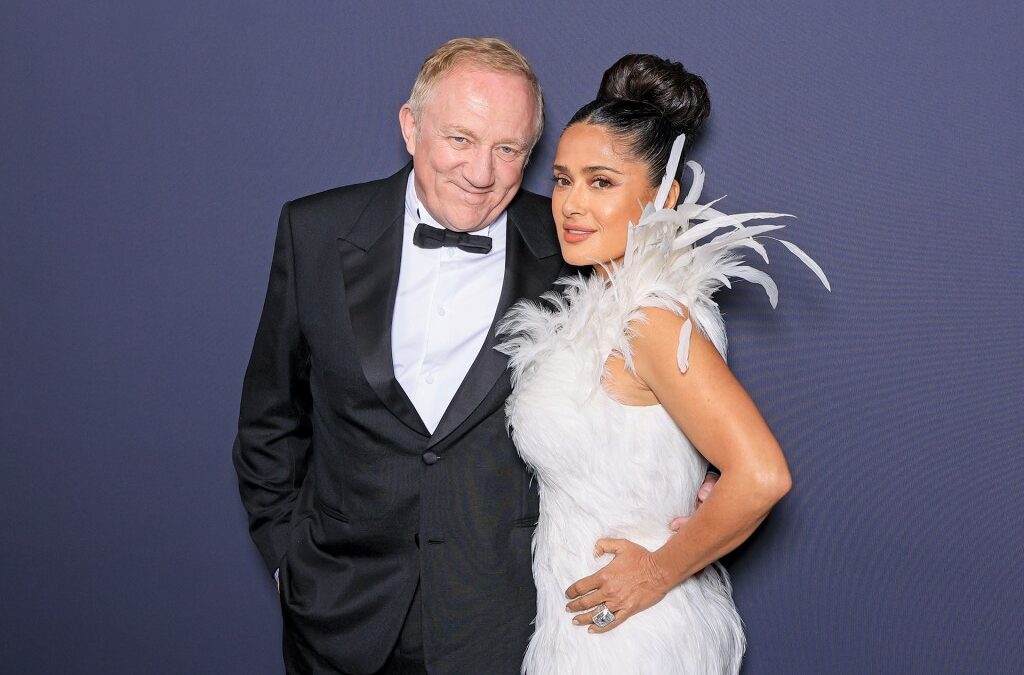
Entertainment examples extend well beyond the Ellisons. French billionaire François-Henri Pinault acquired CAA through Artemis Group in 2023. Illinois-based 4S Bay Partners, the family office of payroll-software billionaire Steve Sarowitz, joined Justin Baldoni in launching Wayfarer Studios, the production company behind “It Ends With Us.”
David Steward II, who inherited significant wealth from his father, World Wide Technology co-founder David Steward, has invested in comic-book imprints and Lion Forge Entertainment. His goal has been to bring more diverse stories to family animation.
The Steward family also worked with NASCAR and Richard Petty Motorsports to sponsor driver Bubba Wallace. Its relationship with NASCAR led World Wide Technology to upgrade the racing organization’s digital infrastructure. The family held an ownership stake in the St. Louis Blues from 2012 until selling it in 2024.
Steward II said the family’s mission centers on “diverse stories authentically told,” adding that its investments are intended to pursue both financial returns and change. That approach illustrates how family priorities can shape where capital goes and how long investors are prepared to wait for results.
Hollywood Adjusts to New Owners
The industry surrounding these investors is expanding as well. Joe Becher, CAA’s global managing partner and founder of its executive search practice, said the agency began seeing family offices emerge across media companies, music-catalog businesses and sports franchises about two to three years ago. CAA expanded into family-office specialty services after being asked to conduct executive searches for businesses acquired by such investors.
The model has deep roots in American fortunes including those of the Rockefellers, William Randolph Hearst and E.W. Scripps. Hearst and Scripps continue to operate as established media companies, but their governance structures effectively function as family offices managed by trusted staff for the benefit of heirs.
ShowBiz Take
The family-office surge matters because it changes more than the source of Hollywood’s money. These owners can bring longer timelines, fewer public-disclosure obligations and personal ambitions that traditional investment funds may not share. That can support distinctive creative or cultural goals, but the Skydance transactions also demonstrate the enormous financial risk that can accompany such ambition.
With thousands of family offices controlling trillions of dollars—and increasingly targeting studios, catalogs, agencies and teams—the decisions of a relatively small circle of wealthy families are becoming a consequential force in who owns entertainment and what those assets are expected to achieve.