
Why This Matters
Marvel Studios has finally put real footage in front of audiences, and that changes the conversation around its next major ensemble film. For months, speculation about the story has been driven by casting reports, set leaks, comic-book breadcrumbs and the lingering fallout from the studio’s multiverse pivot. The first trailer does not answer every question, but it gives fans enough visual evidence to start separating plausible rumors from wishful thinking.
The biggest apparent confirmation is that Doctor Doom is not being positioned as a last-minute replacement villain, but as the central force reshaping the Marvel Cinematic Universe. The trailer’s emphasis on collapsing realities, fractured skylines and characters reacting to a threat they cannot fully understand supports long-running chatter that the film is less a traditional Avengers sequel and more a multiverse crisis event.
That matters because Marvel is trying to restore a sense of inevitability around its flagship franchise. The previous Avengers films became cultural events by making each installment feel like the culmination of years of storytelling. Since Endgame, the MCU has expanded dramatically across films and streaming series, but the connective tissue has not always felt as tight. The trailer suggests Doomsday is being built to reassert that momentum.
Several rumored story points now look more credible. The imagery of cities bending into one another strongly hints at incursions becoming a primary engine of the plot. That concept, introduced in the comics and teased in recent MCU entries, involves universes colliding with catastrophic consequences. If the trailer’s visual language is any guide, the Avengers will not simply be fighting a villain; they will be fighting the physics of reality itself.
Also notable is the apparent focus on legacy characters being pulled into the crisis rather than making cameo appearances for nostalgia alone. Brief flashes of costuming, silhouettes and familiar iconography have already sent fan communities into overdrive. While Marvel has been careful not to confirm every returning player, the trailer seems designed to reward viewers who have tracked rumors about the X-Men, the Fantastic Four and earlier Marvel film universes playing a role.
Industry Context
The trailer arrives at a crucial moment for Marvel Studios. The company remains one of Hollywood’s most valuable brands, but the superhero marketplace is no longer operating on autopilot. Audiences have become more selective, and studios are being forced to justify each major release as an event rather than assuming built-in loyalty will carry the day. For Marvel, the next Avengers chapter is not just another sequel; it is a referendum on the direction of the MCU.
The return of Joe and Anthony Russo as directors is central to that strategy. Their work on Infinity War and Endgame set the modern benchmark for large-scale franchise storytelling, balancing dozens of characters while maintaining a clear emotional throughline. The trailer leans into that reputation, presenting the film as a collision of spectacle, dread and character stakes rather than a simple parade of surprise appearances.
One of the most persistent rumors has been that the story will use Doom as a figure who exploits multiversal chaos to impose his own version of order. The footage appears to support that interpretation. Rather than framing him as a one-note conqueror, the trailer suggests a villain who sees himself as the only person capable of saving what remains. That distinction is important, because the best Marvel antagonists have traditionally been those whose motivations create philosophical conflict as much as physical danger.
There is also the question of how the film handles the franchise’s earlier Kang setup. Marvel has spent several years pointing toward a multiversal endgame, but the path has shifted significantly. The trailer’s lack of emphasis on Kang-related mythology, paired with Doom’s dominant presence, suggests the studio may be consolidating the saga around a more familiar and arguably more marketable comic-book figure. That would be a major course correction, but not an unexpected one.
From a business perspective, the trailer appears calibrated to appeal to multiple audience segments at once. Longtime comic readers will recognize the echoes of Secret Wars and the possibility of Battleworld-style storytelling. Casual viewers are being sold a cleaner premise: the multiverse is breaking, the Avengers are divided, and Doom may already be several moves ahead. That simplicity could be essential for a film expected to carry enormous narrative baggage.
The marketing also reflects a broader industry trend: studios are increasingly using first trailers not just to promote films, but to steer online discourse. Marvel knows fans will analyze every frame, so the inclusion of specific images is rarely accidental. A broken Avengers insignia, a portal with an unfamiliar energy signature, a glimpse of armor that does not belong to any known hero — these are not merely visual flourishes. They are invitations to speculate, share and keep the film at the center of the entertainment conversation.
What Happens Next?
The next phase of the campaign will likely involve carefully controlled reveals. Marvel may confirm additional cast members through magazine covers, convention appearances or a second trailer, but the studio is unlikely to show its full hand early. If the film is indeed built around multiversal surprises, preserving secrecy will be as important as generating excitement.
Expect fan attention to focus on three areas: which heroes are truly part of the main story, whether Doom’s connection to the Fantastic Four is foregrounded, and how much the movie directly sets up the next crossover event. The first trailer seems to validate several major rumors, but it also raises new questions about alliances, betrayals and whether the Avengers are facing a villain who has already won before the film begins.
For Marvel, the challenge now is managing expectations. The trailer has reignited conversation in the way the studio needed, but anticipation can be a double-edged sword. Audiences will want emotional payoffs, not just surprise entrances. If Doomsday can turn its rumored story pieces into a cohesive, character-driven event, it could restore the Avengers brand to its former dominance. If not, the very scale that makes the film exciting could become its biggest risk.
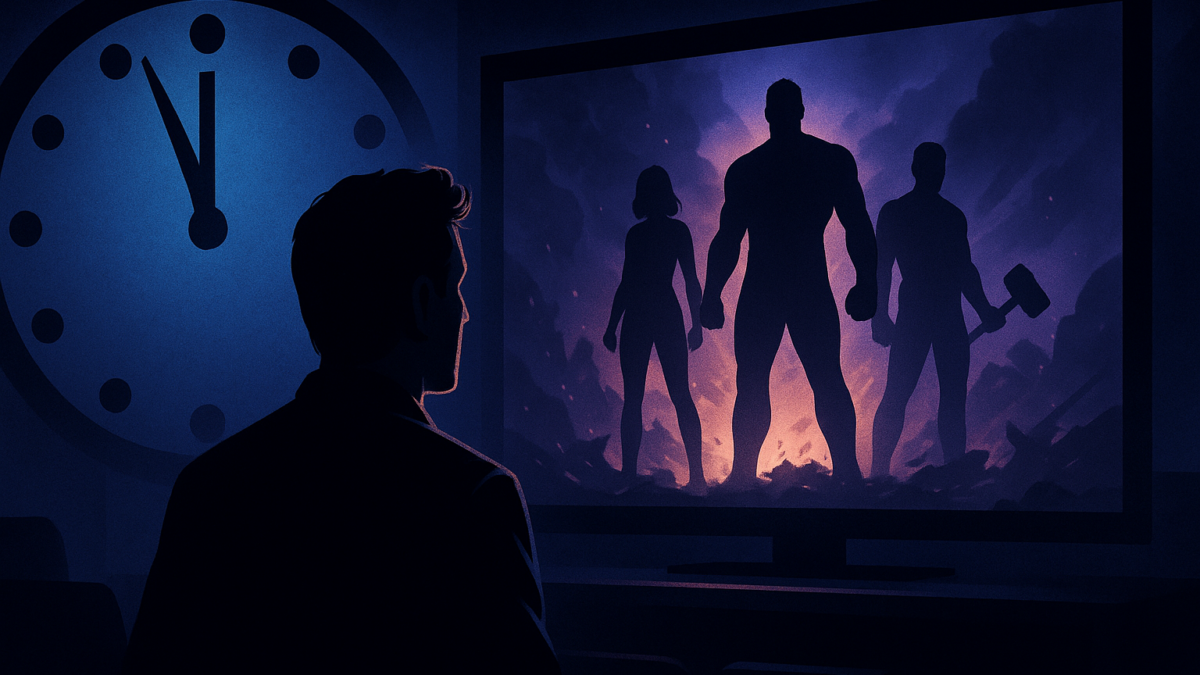
The countdown has started, and Marvel has successfully moved the conversation from rumor to evidence. The footage does not confirm everything, but it makes clear that the studio is embracing a massive, consequential swing. The coming months will determine whether that swing looks like a triumphant reset for the MCU or another test of how much multiverse mayhem audiences are willing to follow.