
Why This Matters
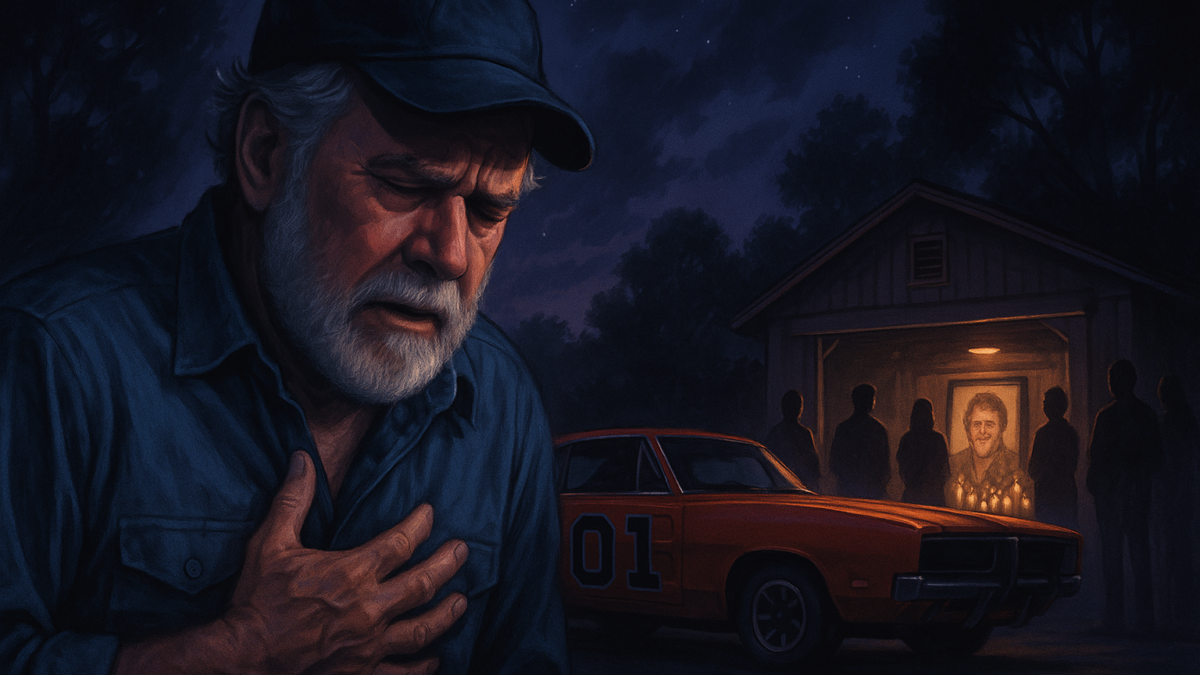
Ben Jones, the actor whose easygoing warmth made Cooter Davenport one of the most familiar faces on “The Dukes of Hazzard,” has died at 84 after suffering a heart attack at his Virginia home, according to his family.
For millions of viewers, Jones was more than a supporting player on a hit television series. As the grease-stained mechanic who kept the General Lee running and stood by the Duke boys through one wild escape after another, he helped define the spirit of a show built on loyalty, humor and rural camaraderie.
Jones appeared on “The Dukes of Hazzard” throughout its original CBS run from 1979 to 1985, becoming one of the series’ most enduring figures. Cooter’s friendly grin, quick hands under the hood and dependable presence at the garage made him a fan favorite across generations of syndicated viewers.
His death has prompted an outpouring from fans who grew up with the show in prime time and from younger audiences who discovered it through reruns, home video and nostalgia programming. To many, Jones represented a specific kind of television character: unpretentious, instantly recognizable and built to last.
The affection surrounding Jones also reflects the power of ensemble television. While the Duke family and their orange Dodge Charger were central to the show’s identity, characters like Cooter gave the fictional Hazzard County its texture. He was the neighbor everyone trusted, the friend who never needed to be asked twice and the mechanic who somehow always had a solution.
Jones’ passing closes another chapter for a series that remains deeply embedded in American pop culture. Even viewers who have not seen an episode in years can picture the denim, the dirt roads, the car chases and the good-natured banter that made the show a staple of late-20th-century television.
Industry Context
“The Dukes of Hazzard” arrived during an era when broadcast television could still turn regional flavor into national appointment viewing. The show blended action comedy, family adventure and broad character humor, airing at a time when network hits routinely drew audiences that modern series rarely approach.
Jones’ performance helped ground the show’s high-speed antics. While the series was known for airborne car jumps and comic villains, Cooter functioned as a stabilizing force. His garage was a home base, his tow truck a lifeline and his friendship with the Duke family one of the show’s emotional constants.
That kind of character work often becomes more meaningful with time. Supporting roles in long-running network series can become cultural shorthand, especially when reruns keep the work alive for decades. Jones belonged to a generation of television actors whose faces became part of the household without the machinery of social media, streaming algorithms or celebrity branding.
After “The Dukes of Hazzard,” Jones maintained a close relationship with the fan community that had embraced him. He appeared at events, engaged with viewers and became closely associated with the show’s legacy well beyond its original run. For many fans, meeting Jones was not simply an autograph opportunity; it was a chance to reconnect with a piece of television history.
His career also intersected with the complicated afterlife of “The Dukes of Hazzard.” The series has remained popular, but its imagery and cultural associations have been debated in more recent years, particularly as conversations about symbols, representation and nostalgia have shifted. Jones was among those most visibly tied to the show’s continuing public identity, and his name often surfaced whenever its legacy was revisited.
Still, the tributes now centering on Jones have focused largely on the personal connection he forged with audiences. Entertainment history is often measured in awards and box office totals, but television fame has another currency: familiarity. Jones had that in abundance. Viewers felt they knew Cooter, and by extension, they felt they knew him.
His death also comes at a moment when Hollywood is increasingly attentive to the artists who helped build television’s mass audience era. As the industry changes rapidly, the performers who anchored long-running network hits serve as reminders of how communal TV watching once was — and how strongly those memories endure.
What Happens Next?
In the coming days, additional tributes are expected from colleagues, longtime friends and members of the “Dukes of Hazzard” fan community. Family members have not yet publicly detailed memorial arrangements, but the response to his death suggests that any celebration of his life will draw attention from across the country.
Networks, streaming platforms and fan groups may also revisit Jones’ work as viewers seek out episodes featuring Cooter Davenport. Moments like this often send audiences back to the performances that first made an actor beloved, and Jones’ work on the series remains his defining screen legacy.
For former co-stars and fans, the loss is personal as well as cultural. Jones was part of a television family that remained unusually vivid long after the original series ended. His character’s humor and dependability helped make Hazzard County feel like a place viewers could return to again and again.
Jones leaves behind a legacy rooted in approachability — the rare kind of screen presence that did not depend on glamour or spectacle. He played a man who fixed cars, helped friends and greeted trouble with a smile. In doing so, he created a character who stayed with audiences for more than four decades.
As Hollywood and fans remember him, the measure of his impact may be found less in statistics than in recognition. Say the name Cooter to generations of television viewers, and they immediately know who he was. That is a durable kind of fame, and it is why Ben Jones’ place in television history is secure.