
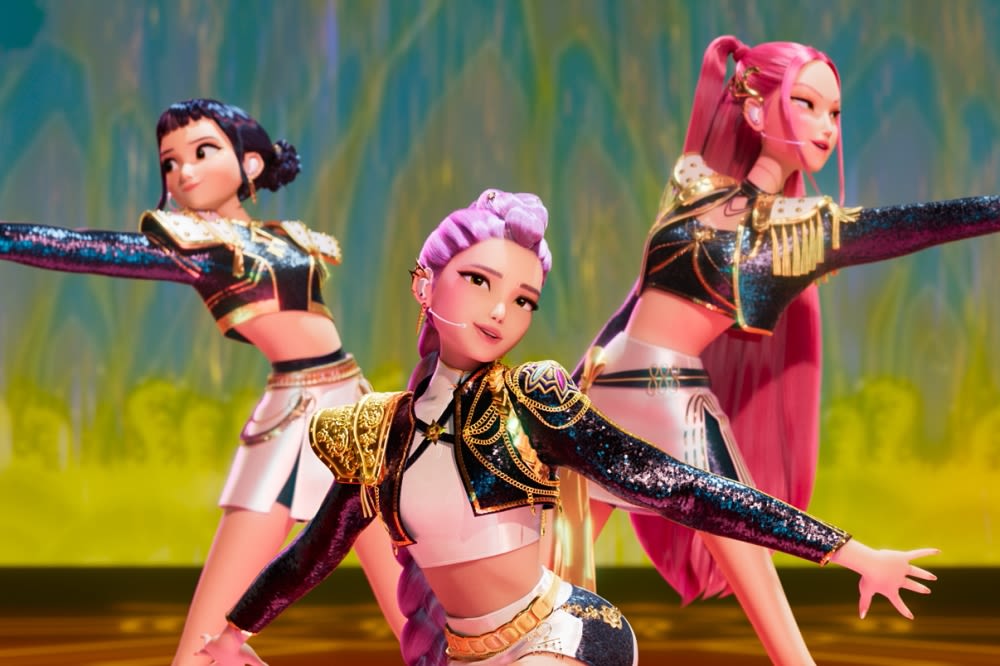
A battle over demon hunting has moved from the animated screen to a California courtroom, with the Christian metal band Demon Hunter suing Netflix and AEG Presents over the streamer’s fast-growing KPop Demon Hunters franchise.
The Seattle-formed band filed a trademark infringement lawsuit Tuesday in California federal court, according to Reuters, accusing Netflix and the concert giant of using a name that is too close to its own as the companies prepare to expand the animated property into live events. The complaint targets the title KPop Demon Hunters and related branding connected to the franchise’s touring plans.
Demon Hunter, which has released music and toured under its name for more than two decades, alleges that the use of “Demon Hunters” in connection with entertainment, music and live performances risks confusing consumers and damaging the band’s brand. The group is seeking court intervention as Netflix looks to capitalize on one of its most visible recent animation successes beyond the screen.
The case lands at a pivotal moment for KPop Demon Hunters, which has become a breakout title for Netflix and a rare example of an original animated concept generating the kind of fan enthusiasm more commonly associated with superhero, gaming or toy-based properties. The project blends K-pop spectacle, fantasy action and supernatural comedy, following pop idols who secretly battle demons — a premise tailor-made for soundtrack sales, merchandise, social media fandom and live-performance extensions.
That commercial potential is precisely why the lawsuit matters. In today’s entertainment economy, a hit title is rarely just a movie or series. It is a platform for music releases, touring productions, branded consumer products, immersive events and global fan experiences. The more a property moves into adjacent markets, the more pressure it places on existing trademarks that may have seemed comfortably separate when a project lived only on a streaming menu.
For Demon Hunter, the dispute is not merely semantic. Band names function as trademarks when they identify the source of music, concerts and merchandise. The group has operated in heavy music circles since the early 2000s, building a loyal audience through albums, touring and a visual identity tied to dark fantasy and spiritual warfare themes. While Netflix’s project is aimed at a different audience and carries a distinct K-pop sensibility, the overlap alleged in the lawsuit centers on entertainment services, live events and fan-facing goods.
Netflix and AEG Presents have not publicly resolved the dispute, and the legal question will likely turn on whether ordinary consumers might believe the band is connected to, endorsing or participating in the KPop Demon Hunters franchise. Courts assessing trademark claims often look at the similarity of the marks, the relatedness of the goods or services, the strength of the earlier mark, evidence of actual confusion and the defendant’s intent.
The companies may argue that the title is descriptive of the story’s concept — K-pop performers who hunt demons — and that the full phrase creates a different commercial impression from the singular band name Demon Hunter. They may also point to the sharply different genres and fan demographics: a faith-associated metal band on one side, a glossy animated pop-fantasy franchise on the other.
But entertainment trademarks can be unusually complicated because audiences routinely cross formats. A young viewer discovering a Netflix property may stream its soundtrack, buy a hoodie, attend a concert-style event or follow cast and character accounts online. A metal fan may encounter promotional material for a tour and wonder whether it has any connection to the longstanding band. That possible collision is at the center of the complaint.
Why Hollywood Is Watching
The lawsuit arrives as studios and streamers are aggressively searching for franchises that can live outside traditional film and television windows. Netflix, in particular, has expanded its ambitions in gaming, live events, theatrical experiences and merchandise as it seeks to deepen subscriber engagement and build brands with longer shelf lives.
AEG Presents’ involvement underscores the value of live entertainment in that strategy. Concerts, pop-up events and touring spectacles can transform streaming hits into communal experiences, creating revenue streams that do not depend solely on subscription growth. For a music-driven property like KPop Demon Hunters, the move into live performance is not an afterthought; it is a natural extension of the concept.
That is also what makes the dispute more significant than a routine naming disagreement. As studios design franchises from the outset to span music, animation, concerts, fashion and fan events, the boundaries between sectors become blurred. A title clearance process that may have been sufficient for a film or series can become more vulnerable once a studio starts selling tickets, albums and apparel under the same brand.
The case also reflects a broader trend in which legacy artists and smaller rights holders are increasingly willing to challenge major media companies over perceived brand encroachment. The rise of global streaming platforms has amplified the stakes: a name that might once have circulated in a limited market can now be promoted instantly to tens of millions of viewers worldwide.
For Netflix, any court-ordered restriction could complicate marketing around a valuable new franchise, particularly if live-event branding, merchandise packaging or promotional campaigns are already in motion. For AEG, the lawsuit may affect how upcoming events are named, advertised or positioned to avoid potential consumer confusion while the case proceeds.
For the band, the lawsuit is a bid to protect the equity it says it built long before the animated franchise arrived. Even if the parties ultimately settle, the filing puts public pressure on Netflix and AEG to address the alleged overlap before the franchise becomes more deeply embedded in the live-event marketplace.
What Happens Next
The case will likely begin with early procedural filings in California federal court, followed by potential motions challenging the strength of the claims or seeking to narrow the dispute. If Demon Hunter seeks a preliminary injunction, the court could be asked to decide quickly whether Netflix or AEG must alter tour-related branding while the lawsuit is pending.
Settlement is also possible, especially if the parties can agree on branding distinctions, disclaimers, licensing terms or other changes that allow the KPop Demon Hunters rollout to continue without further conflict. Until then, the dispute adds a legal cliffhanger to one of Netflix’s buzziest new entertainment properties — and offers another reminder that in the franchise era, a name can be as valuable as the story behind it.