
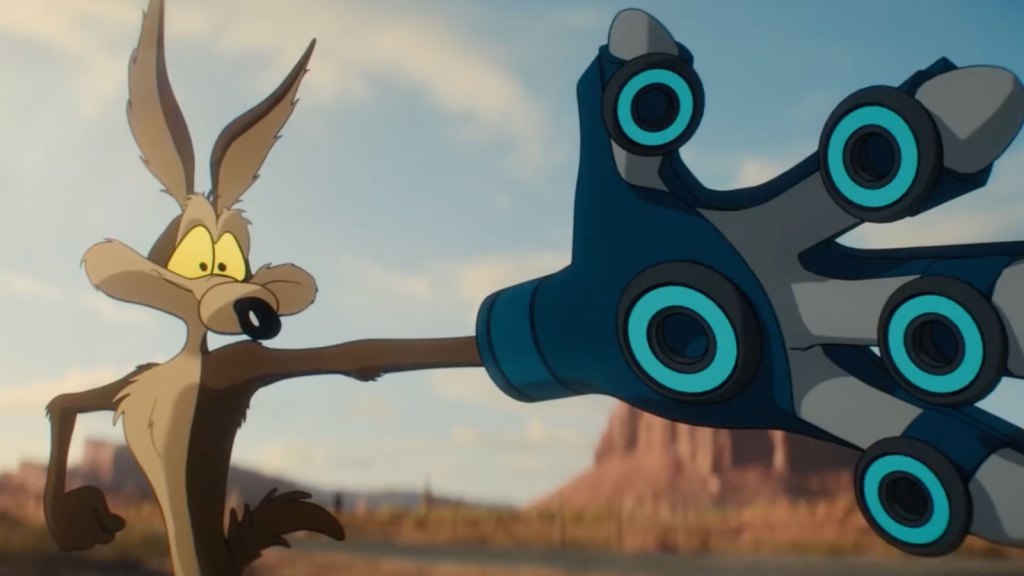
Coyote vs. Acme has finally made its way to theaters, turning one of Hollywood’s most closely watched shelving controversies into a rare comeback story for a completed studio film once thought to be permanently out of reach.
Director Dave Green marked the release with an emotional message to supporters, celebrating the long-delayed debut and framing the moment as something bigger than one movie. “We won,” Green wrote, adding that the film’s arrival is “proof that movies don’t just go away” when audiences, artists and advocates continue to push for them.
The hybrid live-action and animation feature, built around Warner Bros.’ Looney Tunes universe, stars Will Forte, John Cena and Lana Condor, with Wile E. Coyote at the center of a legal battle against the Acme Corporation. The premise — a cartoon icon taking the maker of his famously faulty gadgets to court — made the project an unusually meta studio comedy, one designed to play both as a family-friendly spectacle and as a knowing riff on corporate accountability.
Its route to the multiplex, however, became almost as dramatic as the plot itself.
Coyote vs. Acme was completed before being caught in the wave of cost-cutting and content write-downs that reshaped Hollywood during the streaming correction. The film became a flashpoint after Warner Bros. Discovery opted not to release it, a move that sparked frustration from filmmakers, animation fans and industry observers who questioned why a finished movie with recognizable IP and a well-known cast would be kept from the public.
Green’s celebration reflects the unusual emotional stakes surrounding the release. Directors are accustomed to difficult development processes, release-date changes and studio notes. Far fewer have had to publicly navigate the possibility that their finished work might never be seen at all.
A Symbol of the Shelving Era
The journey of Coyote vs. Acme unfolded during a period when major studios were reassessing the economics of streaming, theatrical releases and library management. The industry’s rapid pivot to direct-to-consumer platforms had led companies to commission an unprecedented volume of content. When Wall Street began demanding profitability over subscriber growth, studios reversed course, cutting projects, removing shows from platforms and rethinking the value of titles that had not yet been released.
That made Coyote vs. Acme more than a single release dispute. To many in Hollywood, it became a case study in what happens when creative work is treated primarily as a balance-sheet instrument. The debate intensified because the film was not an unfinished experiment or an abandoned pilot. It was a completed feature built from one of the most durable brands in American animation.
The backlash was also fueled by timing. Animation workers and filmmakers have grown increasingly vocal about the vulnerability of their projects, particularly as studios look for ways to reduce costs in a difficult marketplace. The notion that years of work could be effectively erased struck a nerve across the creative community.
In that context, Green’s “We won” message lands less like standard opening-weekend promotion and more like a declaration from a filmmaker whose movie survived an industry moment that threatened to bury it.
Why the Release Matters
The theatrical arrival of Coyote vs. Acme matters because it challenges the assumption that shelved projects are automatically gone for good. Hollywood has a long history of troubled releases, delayed films and corporate turnover altering the fate of creative work. But the recent rise of tax write-downs and platform removals introduced a more existential fear: that finished movies and series could simply vanish from public view.
By reaching audiences, Coyote vs. Acme gives filmmakers and fans a concrete example of reversal. It suggests that pressure campaigns, industry attention and continued interest can keep a project alive long enough for circumstances to change.
For studios, the release may also prompt fresh conversations about reputational risk. While companies have every right to make financial decisions, shelving completed films can create lasting public-relations consequences, especially when the project involves beloved characters or respected talent. The cost savings of withholding a movie can be weighed against the perception that a studio is devaluing its artists and franchises.
The film’s theatrical run will now be watched closely for reasons beyond box office. If audiences show up, supporters will likely argue that the movie always had commercial potential. If the numbers are modest, the release still represents a cultural win for preservation and access, proving that completed work can find its way back into circulation.
Either way, Coyote vs. Acme has already shifted from an unreleased curiosity to an industry talking point with real consequences. Its visibility gives the cast and crew the chance to be judged by viewers rather than by a corporate filing strategy.
A Looney Tunes Test Case
The release also arrives at a complicated time for legacy animation brands. The Looney Tunes characters remain globally recognizable, but studios have struggled to consistently translate that awareness into modern theatrical hits. Coyote vs. Acme offers a different angle, using familiar cartoon mythology inside a live-action legal comedy framework.
That makes the movie a test of whether classic animation properties can succeed when treated with self-awareness rather than simple nostalgia. John Cena’s involvement adds broad commercial appeal, while Forte’s offbeat comic sensibility fits the film’s absurdist premise. For Warner Bros.’ larger animation legacy, the movie’s emergence underscores the continuing value of characters that have endured for generations.
Green’s gratitude toward fans and collaborators also highlights the communal nature of the film’s rescue narrative. In an era when entertainment campaigns often revolve around trailers, social media metrics and franchise road maps, Coyote vs. Acme arrives with something rarer: a built-in story about artistic survival.
What Happens Next
The next phase belongs to audiences. The film’s theatrical performance, word of mouth and eventual home-entertainment life will determine whether Coyote vs. Acme becomes a box office comeback story, a cult favorite or both.
For Green and the team behind the movie, the most important victory may have already happened. After years of uncertainty, the film is no longer an industry rumor or a cautionary tale. It is playing for the public — and that alone makes its release one of the more meaningful Hollywood outcomes of the year.