
Why This Matters
The planned return of the Cinerama Dome is more than a real estate revival or a nostalgia play. For Hollywood, it marks the reactivation of one of the industry’s most recognizable moviegoing landmarks at a time when theatrical exhibition is still redefining itself after the pandemic-era collapse in attendance patterns.
Sony Pictures Entertainment announced that Alamo Drafthouse Cinema will operate the restored Dome along with the adjoining 14-screen complex, with an anticipated reopening in early 2028. The project will bring back a venue that has remained dark since the COVID-19 pandemic forced widespread theater shutdowns and helped precipitate the closure of the ArcLight Cinemas and Pacific Theatres circuits.
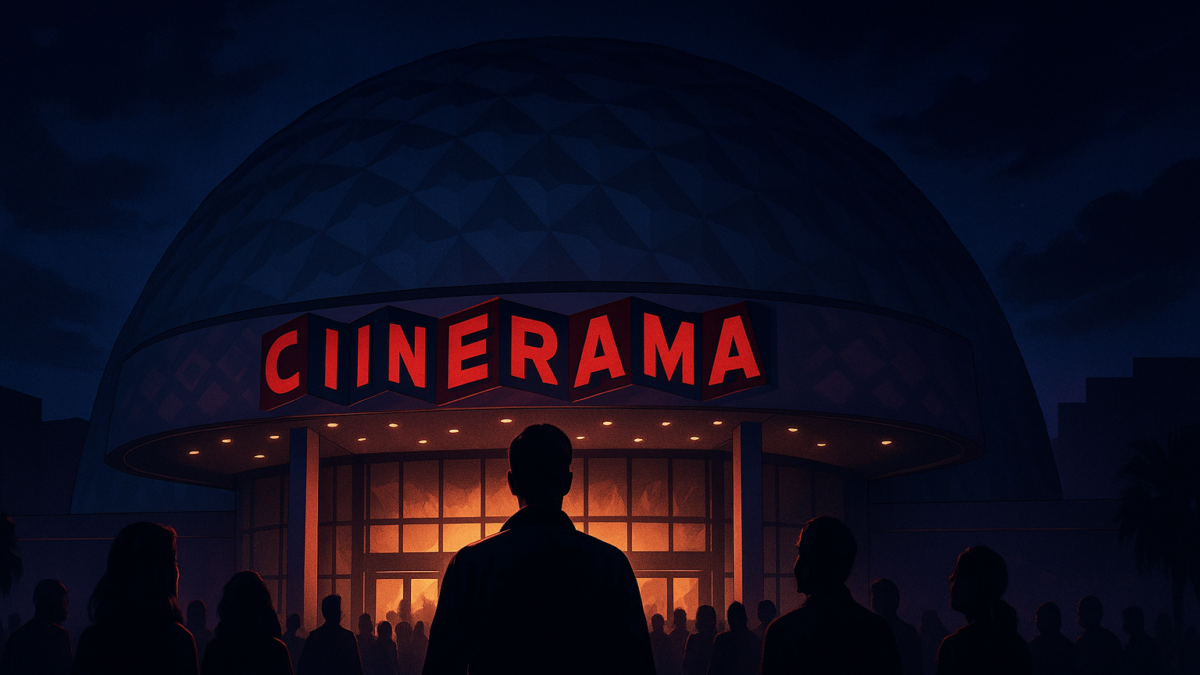
Few cinemas carry the same symbolic weight. The Cinerama Dome’s geodesic shell, sweeping curved presentation format and bold exterior signage have made it a visual shorthand for Hollywood movie culture for more than six decades. Opened in 1963, the theater became associated with large-format spectacle, premiere events and the idea that seeing a film could be an event rather than a routine transaction.
Its absence has been especially conspicuous on Sunset Boulevard, where the shuttered complex stood as a reminder of the pandemic’s lasting damage to exhibition. The reopening plan gives the industry a rare piece of good news: a major historic theater is not being converted, demolished or left to decay, but restored with moviegoing still at the center of its future.
For filmmakers, distributors and cinephiles, the Dome’s return also represents a renewed commitment to presentation. At a moment when studios are balancing theatrical windows, streaming priorities and premium formats, a revived Cinerama Dome offers a high-profile stage for event cinema, repertory programming and major releases seeking cultural visibility in Los Angeles.
Industry Context
The announcement arrives during a complicated period for the theater business. Domestic box office has shown signs of resilience, particularly around franchise titles, animated films, horror breakouts and premium large-format releases. But the broader market remains uneven, with fewer wide releases than before the pandemic and audiences more selective about what merits a trip to the cinema.
That environment has increased the value of theaters that offer something distinct. Alamo Drafthouse built its brand on curated programming, strict audience etiquette, food-and-beverage service and a cinephile-forward identity. Sony’s ownership of Alamo, finalized in 2024, gave the studio a direct stake in exhibition at a time when most major studios had long since exited the theater-ownership business due to regulatory and business pressures.
The Cinerama Dome project therefore carries strategic significance. It positions Sony and Alamo at the intersection of studio branding, theatrical experience and Hollywood heritage. While the Dome is not simply a marketing outlet for Sony films, its stewardship by a studio-backed exhibitor gives the reopening an industry resonance beyond a standard venue relaunch.
Historic cinemas have become increasingly important as the industry searches for ways to differentiate theaters from home viewing. Venues such as the TCL Chinese Theatre, the Egyptian Theatre and other restored movie palaces function as cultural destinations as much as commercial screens. The Dome belongs in that conversation, but with its own architectural identity: a midcentury vision of futuristic cinema built for spectacle.
The closure of ArcLight Hollywood was a particularly emotional blow for many in the entertainment community. Before the pandemic, the complex served as a regular gathering place for industry screenings, awards-season events, filmmaker Q&As and opening-weekend moviegoing. Its black-box auditoriums and flagship Dome helped make it one of Los Angeles’ most respected commercial theaters.
Reopening the entire site as an Alamo-operated complex could restore some of that ecosystem, though it will not be a simple recreation of the past. Moviegoing habits have changed, staffing models have changed, and the economics of exhibition remain challenging. The project’s long timeline also suggests that the restoration will be substantial, requiring careful work to preserve the Dome’s defining features while modernizing the broader complex for contemporary audiences.
What Happens Next?
The next phase will be about execution: restoration, permitting, design decisions, technical upgrades and the delicate balance between preservation and reinvention. The Dome’s exterior and iconic signage are expected to be maintained, but audiences will be watching closely to see how the interior experience evolves, particularly around projection, sound, seating and premium-format capabilities.
Alamo Drafthouse will also need to determine how the complex fits into the Los Angeles exhibition landscape in 2028. The company’s programming approach could make the venue a hub for first-run studio films, specialty releases, repertory series, filmmaker events and fan-driven screenings. If handled well, the Dome could become both a tourist destination and a regular stop for local moviegoers.
The reopening date gives Hollywood several years to build anticipation. Studios will likely view the venue as a potential launchpad for premieres and special engagements, while awards strategists may see it as a restored showcase in the heart of the industry. For Alamo, the assignment is even larger: revive a beloved landmark without flattening the qualities that made it beloved in the first place.
There are still questions. Ticket pricing, membership models, food service, parking, accessibility and programming philosophy will all shape public response. So will the degree to which the new operators honor the memory of ArcLight while establishing a clear identity of their own. Nostalgia may bring audiences through the door once; the experience will determine whether they return.
Still, the message is unmistakable. In an era when the theatrical business is often discussed in terms of contraction, consolidation and uncertainty, one of Hollywood’s most famous movie houses is preparing for a comeback. If the restoration succeeds, the Cinerama Dome will not merely reopen as a monument to what moviegoing used to be. It could become a test case for what an event-driven, historically aware cinema can still mean in the years ahead.