
Bridget Moynahan is looking beyond the uncertainty gripping the television business with a message of confidence in the enduring power of storytelling.
The actor, who enjoyed an unusually stable run as one of the leads of CBS’ Blue Bloods, addressed the industry’s upheaval during a Deadline Dinners gathering held October 21 at the North Fork Television Festival. Blue Bloods concluded its 14-season run in 2024.
“I still feel optimistic about great stories and creativity being able to break through,” Moynahan said. “Despite all of the changes, people will always gravitate toward stories, so I do feel hopeful. You have to have hope.”
Her comments came amid a broader conversation about the forces reshaping television, including streaming’s rise, the Paramount-Warner Bros. Discovery merger forming Skydance and a major shakeup at Netflix. Together, those developments have contributed to uncertainty over where the industry is heading.
From Long-Running Star to Behind-the-Camera Work
The discussion, moderated by Deadline New York Business Editor Dade Hayes, ranged across Moynahan’s career, including her signature roles in Sex and the City, its follow-up And Just Like That, the John Wick films and Blue Bloods.
Moynahan also spoke about expanding her work behind the camera. She produced an independent pilot that premiered at the 2025 North Fork Television Festival, and her directing credits include three episodes of Blue Bloods and an episode of its spinoff, Boston Blue.
Asked which genres or creative areas she might want to pursue next, Moynahan said she has been studying the television she currently watches for inspiration.
“There are a lot of shows I am watching now” with that question in mind, she said.
One title she singled out was Youth, the HBO series created by Sharon Horgan. Moynahan described the show as an ideal combination of entertainment and serious purpose.
Her recommendation quickly opened the discussion to the room. When Moynahan asked whether others had seen Youth, several guests responded and began trading their own favorites. The exchange offered an immediate example of her larger argument: even as television’s business model changes, audiences remain eager to connect over compelling stories.
An Intimate Festival Conversation
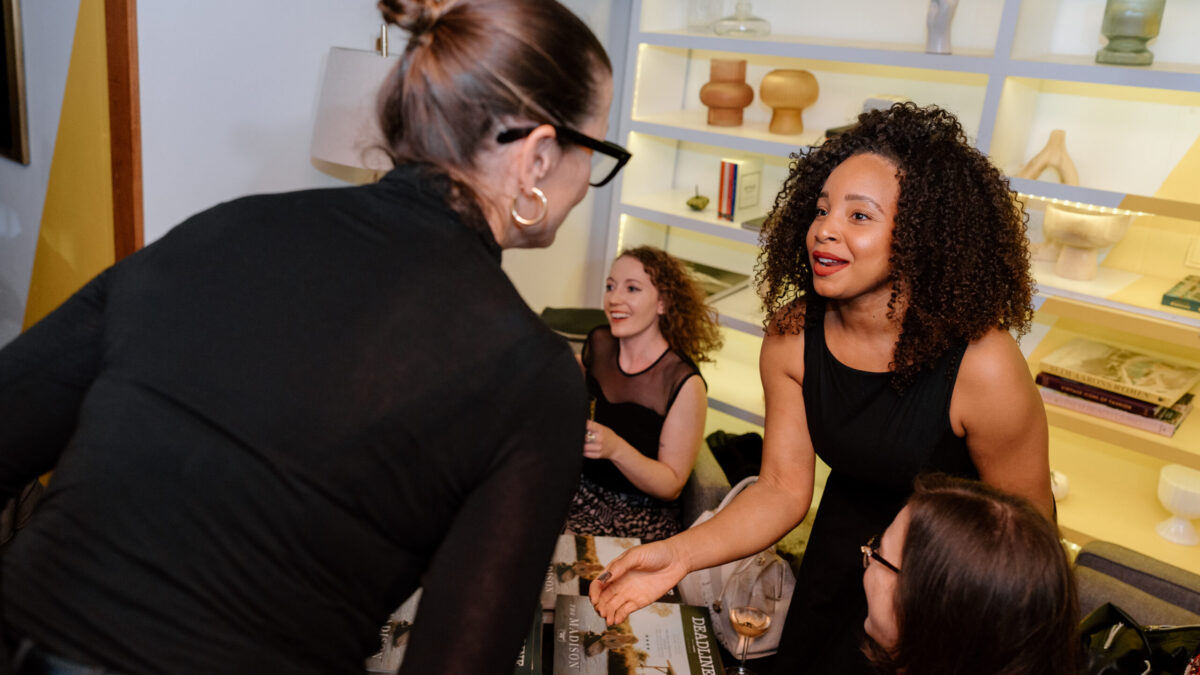
The dinner took place at the American Beech Hotel in Greenport, New York, with two dozen guests gathered in the boutique hotel’s ground-floor boite. Actors Kate Walsh, known for Grey’s Anatomy, and Michael Nathanson of The Knick were among those attending, alongside festival stakeholders from the legal, industry and sponsorship sectors.
Now in its 11th year, the North Fork Television Festival has built its identity around its Long Island East End setting, approximately 90 miles from New York City. The North Fork is quieter than the Hamptons to the south, although major figures from finance, media and technology have homes in the region. Greenport itself has developed from a remote fishing village into a significant cultural hub.
The festival’s October 21 schedule also included a separate curated conversation with Billions actor Kelly AuCoin. The following evening, Walsh, Anthony Anderson and Kelsey Grammer received awards during a gala dinner.
Elsewhere in the program, the festival screened independent pilots and held a panel examining how artificial intelligence is changing the television business. Those events placed Moynahan’s reflections within a festival already focused on both new creative work and the technologies affecting how that work gets made.
ShowBiz Take
Moynahan’s perspective carries particular weight because her experience spans two sides of the current television landscape. She was part of a broadcast drama that remained on the air for 14 seasons, but she is also moving into producing and directing as the wider business undergoes significant disruption.
That contrast is what makes her optimism notable. Moynahan did not dismiss the changes around streaming, corporate consolidation or new technology. Instead, she focused on the part of entertainment she believes remains constant: viewers’ appetite for stories.
Her recent work suggests that belief is informing her own creative direction. Between producing a pilot, directing episodes of Blue Bloods and Boston Blue, and considering the kind of material she may want to explore, Moynahan is pairing hope for television’s future with an expanding role in how stories reach the screen.