Why This Matters
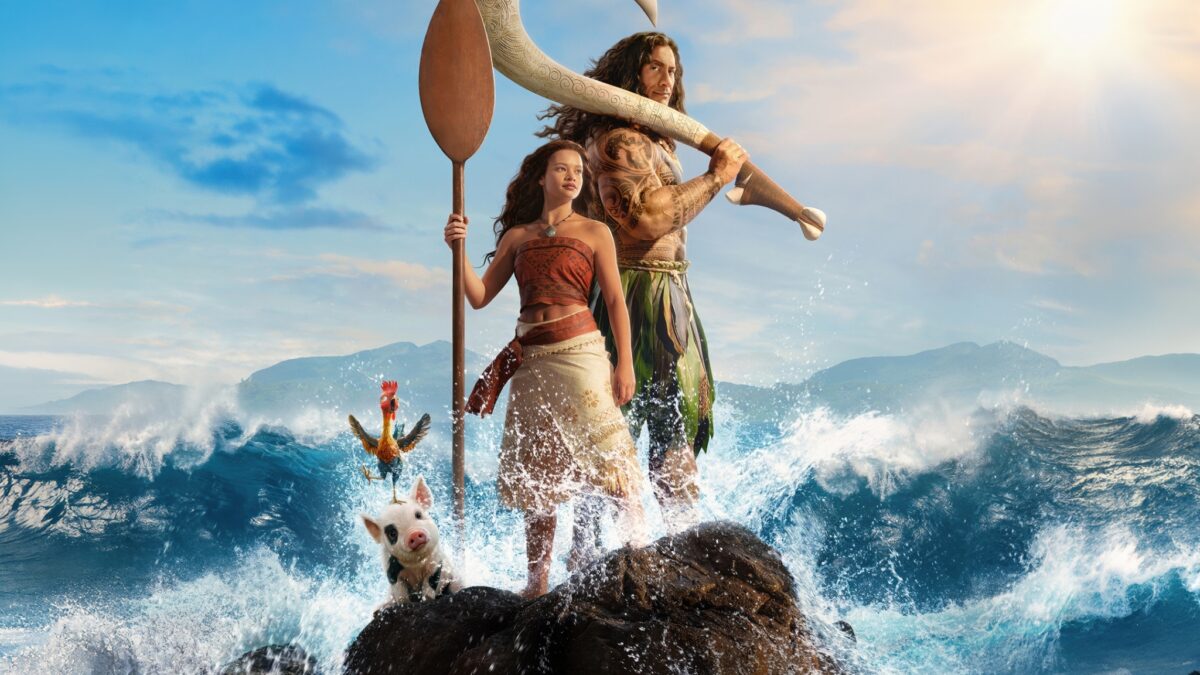
Disney’s live-action reimagining of “Moana” reached the top of the domestic box office chart over the weekend, but its $43 million opening from 3,827 North American theaters is not the kind of No. 1 finish the studio was counting on.
For a film carrying a reported $250 million production budget before marketing, that debut represents a troubling start. Tentpoles at this scale are built to open with urgency, dominate premium screens and signal a long runway ahead. Instead, the new “Moana” arrives with a performance that suggests audiences may not have viewed the remake as an essential theatrical event.
The result is especially notable because “Moana” has been one of Disney’s most durable modern animated properties. The 2016 original became a streaming-era phenomenon, with its songs, characters and imagery remaining highly visible among younger viewers. In theory, that should have made a live-action version a relatively safe bet. In practice, familiarity may have cut both ways.
The film’s timing appears to be a major challenge. This version is arriving roughly a decade after the animated original and less than two years after the theatrical sequel, giving moviegoers little distance from a brand they have already revisited recently. For family audiences asked to pay premium ticket prices, the question becomes whether a new format alone is enough to justify another trip to the same story world.
That question matters well beyond one opening weekend. Disney’s live-action remake pipeline has long been one of the company’s most reliable methods of turning animated library titles into global box office events. When one of the studio’s most recognizable contemporary properties opens at this level, it raises fresh concerns about audience appetite for repeat visits to beloved material, particularly when the remake does not offer the novelty of reviving a decades-old classic.
Industry Context
For more than a decade, Disney has treated its animated canon as a vault of theatrical intellectual property, and the strategy has produced some enormous wins. “Beauty and the Beast,” “Aladdin” and “The Lion King” each demonstrated that nostalgia, star power and global brand awareness could combine into blockbuster results. Even films that drew mixed critical reactions often found massive commercial upside because audiences were eager to see familiar characters rendered on a larger live-action canvas.
But the marketplace has shifted. The novelty of the remake model has diminished, and consumers have become more selective about what qualifies as a must-see theatrical experience. In the years since the earliest wave of live-action adaptations, Disney+ has also altered the value perception of family entertainment. Parents know many Disney titles will eventually arrive at home, and younger viewers are accustomed to watching and rewatching animated favorites on demand.
That dynamic puts additional pressure on theatrical releases to feel different, urgent or visually spectacular enough to demand immediate viewing. A $43 million domestic launch does not mean the film is finished, but it does indicate that the opening weekend audience was far smaller than the budget would typically require. For comparison, Disney’s bigger live-action remakes often launched with the kind of momentum that made profitability seem likely after just a few days. This one now needs significant staying power and robust international turnout to change the narrative.
The performance also lands at a sensitive moment for the broader family box office. Animated and family-driven films can still break through in a major way, but the category has become less automatic. Audiences are responding to event-level animation, franchise continuations and recognizable characters, yet they are not embracing every brand extension at the same intensity. That makes execution, release timing and perceived freshness more important than ever.
There is also a creative-brand issue at play. “Moana” is not an antique property being introduced to a new generation after decades away from the screen. It remains culturally present. The original’s music continues to circulate heavily, and its heroine is already part of Disney’s modern princess identity. The sequel’s recent arrival may have reinforced that visibility, but it also may have reduced the sense that audiences needed another version so soon.
For Hollywood, the weekend will be read as another data point in the ongoing debate over remake fatigue. Studios remain heavily invested in familiar IP because it lowers marketing risk and travels well internationally. Yet this opening suggests that recognition alone cannot overcome the perception that a film is redundant. In a crowded market, even powerful brands have to answer a basic consumer question: why now?
What Happens Next?
The immediate focus turns to the film’s second weekend. A strong hold could soften the damage and indicate that families are still discovering the movie at a slower pace. A steep decline, however, would make the opening look less like a muted start and more like a clear rejection of the project’s theatrical value proposition.
International grosses will be equally critical. With a budget of this size and a marketing campaign likely stretching across major global territories, domestic revenue alone will not be enough. Disney needs overseas markets to respond more enthusiastically than North America did, particularly in regions where the original “Moana” brand has maintained strong awareness.
The studio will also watch premium formats, weekday matinees and holiday play patterns closely. Family films can sometimes recover from modest starts if they become the default choice for parents over school breaks. But that kind of recovery requires positive word of mouth and limited direct competition. If audiences view the film as optional, the path becomes much narrower.
Inside Disney, the result is likely to prompt renewed scrutiny of how quickly the company returns to recent animated hits and how it differentiates live-action remakes from the originals. The remake strategy is not going away; the library remains too valuable. But the weekend may encourage more caution around budget levels, release spacing and the creative pitch behind each adaptation.
For now, the film has a box office crown but not a victory lap. Its opening proves that the “Moana” name still carries weight, just not enough to guarantee a blockbuster launch under these conditions. The coming weeks will determine whether this is a stumble that stabilizes or an expensive warning sign for one of Hollywood’s most dependable franchise machines.