
Why This Matters
Ben Jones, the actor whose easygoing warmth made garage mechanic Cooter Davenport one of the most recognizable supporting characters on “The Dukes of Hazzard,” has died at 84, according to an announcement from his wife, Alma Viator.
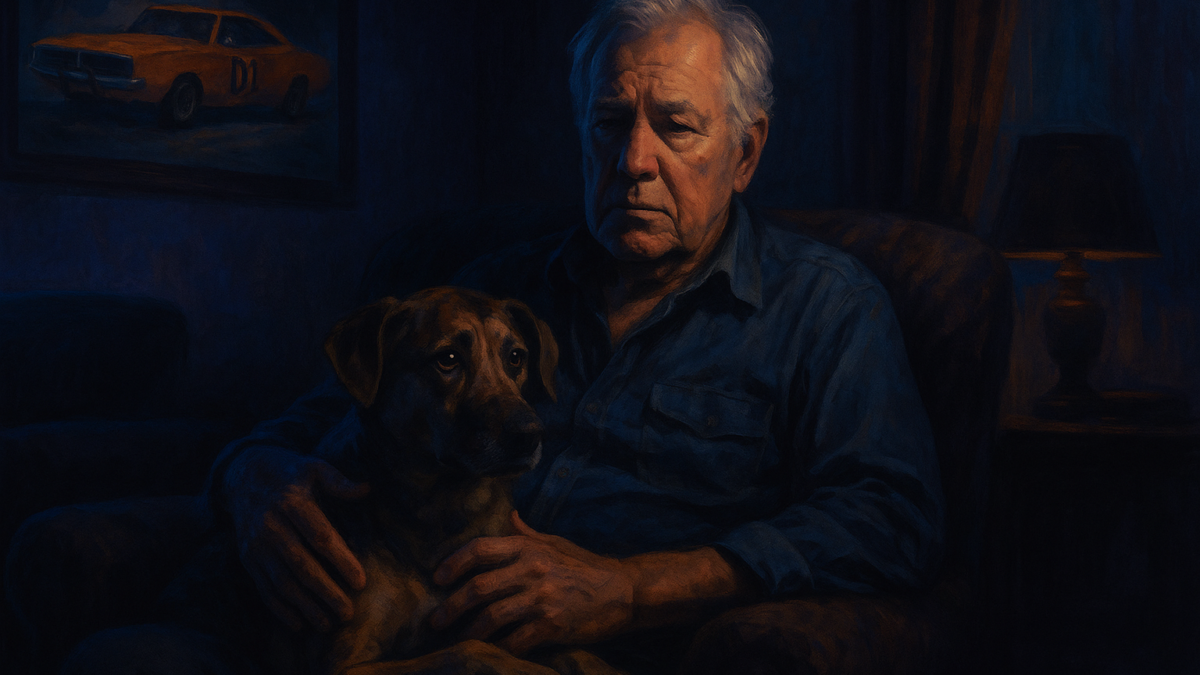
Viator shared the news on Facebook, writing that Jones had suffered a severe heart attack on Sunday. “I lost the love of my life today. Ben passed away from a heart attack,” she wrote, alongside a photograph of the actor with his dog. Her message prompted an immediate outpouring from fans who knew Jones not only from television, but from decades of appearances at fan events and through his long-running connection to the “Dukes” community.
For millions of viewers, Jones was inseparable from Cooter, the loyal Hazzard County mechanic who kept the Duke boys’ cars running and served as a trusted ally in their ongoing clashes with Boss Hogg and Sheriff Rosco P. Coltrane. On a series built around high-speed chases, Southern comic energy and a weekly spirit of rebellion, Cooter provided a grounded, good-natured presence. He was the friend who always had a wrench, a joke and a way out of trouble.
“The Dukes of Hazzard” became a defining television property of the late 1970s and early 1980s, airing on CBS from 1979 to 1985 and remaining a fixture in syndication for years afterward. Jones’ performance helped give the show its sense of place. While the Duke cousins were the series’ primary heroes, Cooter became part of the emotional fabric of Hazzard County — a character fans remembered because he felt like someone from the neighborhood.
Jones’ significance extends beyond a single role. After his acting career made him a familiar face, he moved into public life, winning election to the U.S. House of Representatives from Georgia in the late 1980s. It was an unusual second act even by Hollywood standards: a working actor best known for a populist television character becoming an actual political representative. That trajectory made him a distinctive figure in the overlap between entertainment, regional identity and American civic life.
Industry Context
Jones came out of a television era when network series could still command massive audiences and create characters with multigenerational staying power. “The Dukes of Hazzard” was never positioned as prestige drama; it was a broad, action-driven comedy-adventure designed for family viewing. But its reach was enormous, and its cast became household names at a time when broadcast television had a unifying cultural power that the fragmented streaming age rarely replicates.
The series’ legacy has become more complicated over time. Its use of Confederate imagery, particularly on the roof of the General Lee, has prompted renewed scrutiny and debate, especially as media companies have reassessed older programming through a contemporary lens. Jones remained one of the show’s most visible defenders and ambassadors, speaking frequently about what he saw as its humor, camaraderie and working-class appeal. Whether fans agreed with him or not, his advocacy made him central to the continuing conversation around the program’s place in television history.
That connection was also entrepreneurial. Jones and Viator helped build a business around the enduring affection for “The Dukes of Hazzard,” including the Cooter’s Place museum and retail destinations, which became pilgrimage stops for fans. At a time when studios increasingly monetize nostalgia through reboots, conventions and branded experiences, Jones was ahead of the curve in understanding that a beloved TV character could sustain a community long after a series left prime time.
His career also reflects the durable economics of character acting. Jones was not the top-billed star of “The Dukes of Hazzard,” but he created a role with enough personality to last for decades. In television, those performances often become the connective tissue between a show and its audience. Supporting characters can become memory anchors, and Cooter was exactly that: instantly recognizable, warmly remembered and closely tied to the identity of the series.
Jones’ death comes as the entertainment industry is taking stock of a generation of performers who helped define the broadcast era. These actors worked in a system that produced fewer shows but far larger shared audiences. Their visibility was amplified by reruns, local stations and later cable, allowing characters to remain present in American living rooms long after original episodes concluded. For fans of “The Dukes of Hazzard,” Jones was not a distant figure from television history; he remained accessible, vocal and deeply involved with the show’s legacy.
His passing also underscores the emotional bond between classic TV performers and fan communities. Jones did not simply leave Cooter behind when the show ended. He embraced the role, engaged with viewers and turned nostalgia into an ongoing relationship. That kind of connection is increasingly valuable in an industry where franchises depend on loyalty, memory and a sense of shared belonging.
What Happens Next?
In the immediate term, tributes are expected from former colleagues, fans and entertainment figures who grew up watching Jones on television. Given the loyalty surrounding “The Dukes of Hazzard,” memorials are likely to extend well beyond conventional Hollywood statements, with fan groups and classic TV communities sharing clips, photographs and personal encounters from appearances over the years.
Viator’s announcement makes clear that Jones’ death was sudden and deeply personal for those closest to him. Details regarding memorial arrangements were not immediately included in the initial post. Fans will be watching for further information from his family and from the Cooter’s Place organization, which has long served as a hub for the actor’s public life and his relationship with the “Dukes” audience.
Jones leaves behind a legacy that is part television history, part political biography and part fan-culture case study. He helped create one of classic TV’s most enduring side characters, then spent decades ensuring that character remained part of the conversation. For viewers who first met him under the hood in Hazzard County, Ben Jones will be remembered as the man who kept the engine running.