
Source: This story originated with Deadline.
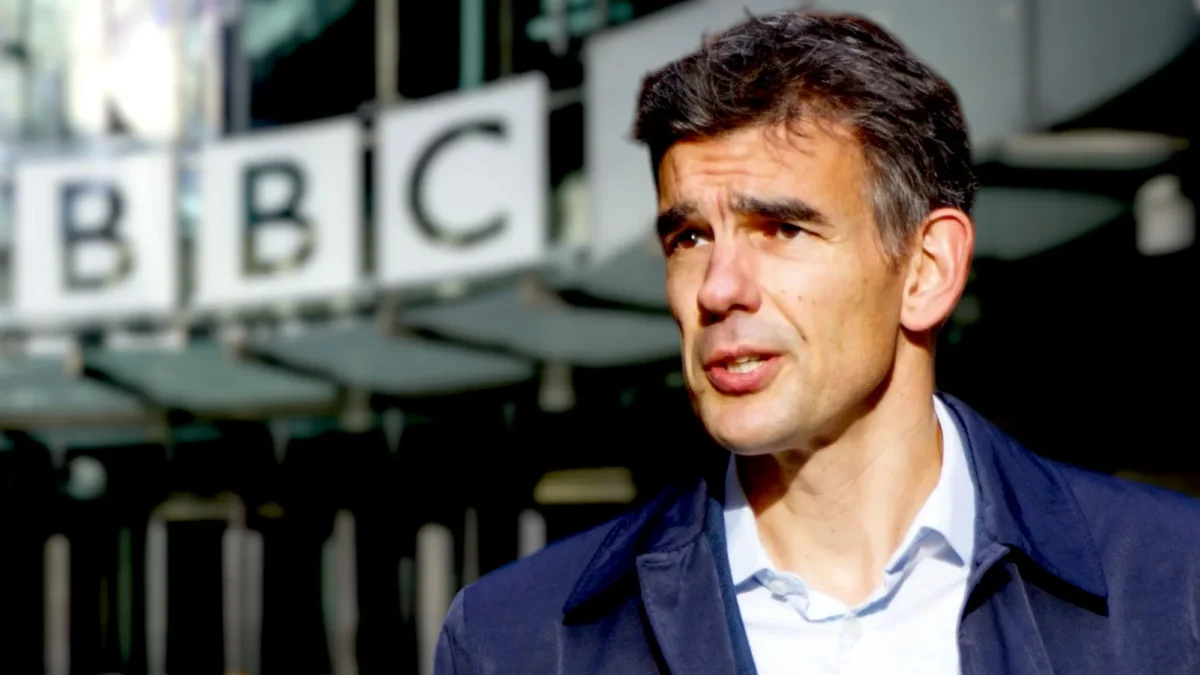
BBC director general Matt Brittin has met senior figures from Netflix, Amazon Prime Video, Apple TV and YouTube as he explores strategic partnerships designed to give the corporation’s content greater prominence on major global platforms.
According to Deadline, Brittin told BBC staff on Wednesday that he had held discussions with the companies’ “global leadership” during his early months in the role. The former Google executive is seeking broader collaboration rather than focusing only on individual projects already involving the BBC and the platforms.
Deadline also reported that Brittin met Netflix co-CEO Greg Peters during Peters’ recent visit to London.
“Since I’ve been here, we’ve met with the global leadership of Netflix, Amazon, Apple and YouTube to talk about not just the individual things that we’re doing, but what if we step back and say, ‘What are all the things we could do to help the BBC to transform at this time?’” Brittin told staff.
He added: “Because of our reputation and our trust internationally, I think we can get a lot more out of players like that, as well as the many partners we have in other parts of the BBC as well.”
A push for greater prominence
Partnerships have become a central part of Brittin’s agenda at the BBC, although the precise form of any deeper collaboration with the U.S. streaming companies has not yet been established.
Brittin has said he wants BBC programming to be more “prominent” on Netflix and YouTube. He has also previously discussed making more BBC News output available through those services.
The corporation already has a significant initiative underway with YouTube. Under an agreement reached before Brittin’s arrival, the BBC committed to producing original shows for the Google-owned video service for the first time.
His push also aligns with the British government’s plan to require YouTube to promote public service content. YouTube has raised concerns about that proposal, describing the approach as “forced prominence.”
The conversations with global platforms form part of a wider focus on partnerships as the BBC considers how collaboration could support its transformation and strengthen the reach of its content.
Channel 4 collaboration also under discussion
Brittin’s remarks came as Reuters reported that the BBC and Channel 4 are examining a possible joint-venture agreement.
According to Reuters, one potential structure could involve BBC Studios combining UKTV with parts of Channel 4’s business, including its advertising operations, streaming service and channels such as E4 and Film4. Channel 4’s main network would not be included under the arrangement described in the report.
Brittin and Channel 4 CEO Priya Dogra have both spoken publicly about the potential for closer cooperation. One possibility they have discussed is the BBC’s iPlayer carrying Channel 4 programming. Dogra has nevertheless warned against any deal that would give the BBC full control of Channel 4.
Neither broadcaster offered further detail on the reported joint-venture discussions.
A BBC spokesperson said: “We won’t be providing any comment, but as we’ve said before, we believe increased collaboration between all public service broadcasters is vital to ensure the industry thrives in a highly competitive global marketplace.”
Channel 4 similarly declined to address the speculation while making clear that it supports closer ties between public service media.
“We won’t be commenting on any speculation but we welcome and support greater collaboration between public service media and strongly believe working together can strengthen impact, innovation and sustainability in UK broadcasting,” Channel 4 said.
The broadcaster also pointed to an existing commercial relationship between the two organizations involving advertising sales for UKTV and the carriage of U on 4Streaming.
What Happens Next?
The BBC’s discussions with Netflix, Amazon Prime Video, Apple TV and YouTube have established Brittin’s ambitions, but the specific partnerships that may emerge remain unclear. Likewise, the possible structure involving the BBC and Channel 4 is still being explored, with both broadcasters declining to comment on the reported proposal while endorsing greater collaboration in principle.
ShowBiz Take
The push underscores how central major streaming and video platforms have become to the BBC’s transformation plans. Greater prominence on Netflix and YouTube could change how audiences discover BBC programming internationally, while the existing pact to make original YouTube shows provides an early model for deeper collaboration—even though the structure of future deals remains unclear.
Alongside discussions with Channel 4, the meetings point to a broader strategy of using partnerships to strengthen the BBC’s impact and sustainability in a highly competitive global market. For the entertainment business, the key issue is whether collaboration can expand distribution and combine resources without compromising the independence or control of Britain’s public-service broadcasters.