
Why This Matters
Danny Glover’s disclosure that he is living with Alzheimer’s disease lands with unusual emotional force because his public identity has long been built around clarity, conviction and presence. The actor, best known to global audiences for the “Lethal Weapon” films, has also spent decades as one of Hollywood’s most visible activist-artists, using his platform to advocate for labor rights, civil rights, global humanitarian causes and independent filmmaking. In interviews with “Today” and People, Glover said he was diagnosed three years ago and is still processing what the disease means for his life and future. For a performer whose career has depended on memory, timing and connection, the revelation is both deeply personal and broadly resonant.
Glover, who turns 80 on July 22, is not simply another celebrity sharing a health update. His announcement brings renewed attention to a disease that affects more than 6 million people in the United States and millions more around the world. Alzheimer’s is often discussed in clinical terms, but when a beloved public figure speaks about it, the conversation can become more immediate for families navigating the same uncertain terrain. Glover’s openness may help reduce stigma around cognitive decline, particularly among older adults who may delay diagnosis or avoid discussing symptoms out of fear, shame or concern about professional consequences.
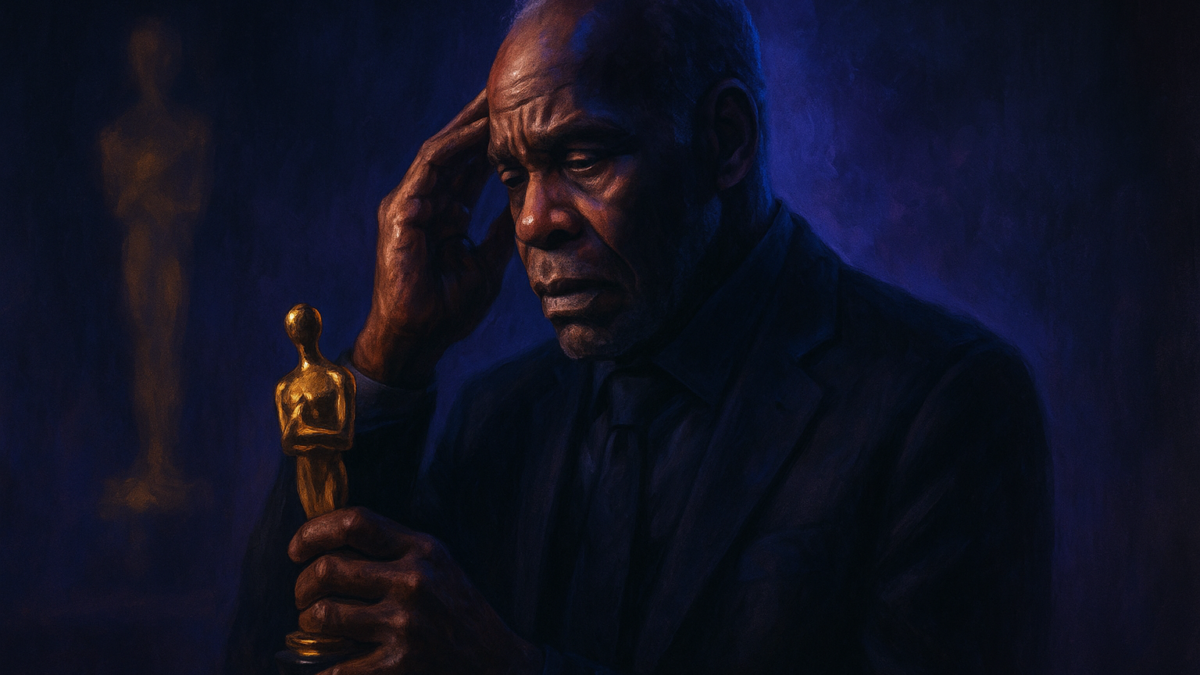
The news also carries weight because Glover’s career has stretched across mainstream blockbusters, prestige television, stage work and politically engaged cinema. He earned four Emmy nominations and received an honorary Oscar in 2022, recognition not only for his screen work but for a broader legacy of humanitarian commitment. His willingness to speak publicly now fits a pattern: Glover has rarely separated artistry from public responsibility. By naming his diagnosis, he is extending that public role into another difficult arena, one that touches aging, caregiving, race, access to health care and the dignity of people living with progressive illness.
Industry Context
Hollywood has become more candid in recent years about illness, disability and aging, but Alzheimer’s and other forms of dementia remain especially challenging subjects for the entertainment industry. The business is built on performance, availability and image control, and cognitive health can be one of the hardest issues for public figures to address without inviting speculation about capability or legacy. Glover’s disclosure arrives at a time when audiences are increasingly receptive to stars speaking honestly about health struggles, from cancer diagnoses to neurological conditions, but the industry is still learning how to respond with sensitivity rather than spectacle.
Glover occupies a distinctive place in that landscape. While “Lethal Weapon” made him a worldwide name opposite Mel Gibson, his filmography extends far beyond the buddy-cop franchise. He has appeared in dramas, comedies, political films and independent projects, often choosing work that aligned with a larger moral or social vision. His credits include performances that highlighted the experiences of working-class families, Black communities, political dissidents and people living at the margins of power. That breadth has made him a figure of respect across generations of actors, filmmakers and activists.
His activism has been equally central to his public profile. Glover has been outspoken on issues ranging from union organizing to international human rights, and he has often used awards stages and press appearances to draw attention to causes outside the entertainment spotlight. In an industry that sometimes treats activism as an accessory to celebrity, Glover helped model a different approach: sustained engagement over decades. That history matters now because his Alzheimer’s disclosure is likely to be understood not as a publicity moment, but as another act of public witness from someone who has long believed visibility can create change.
The announcement also intersects with a broader demographic reality for Hollywood. Many of the industry’s most recognizable stars from the 1970s, 1980s and 1990s are now entering their late 70s and 80s, raising questions about how the business honors aging artists while acknowledging health challenges that may alter their ability to work. Streaming platforms and legacy studios continue to mine nostalgia, reunions and franchise revivals, but those commercial impulses exist alongside the realities of aging bodies and changing lives. Glover’s news is a reminder that beloved screen icons are not frozen in the roles that made them famous.
What Happens Next?
For Glover, the immediate future appears to be focused less on professional reinvention than on coming to terms with a diagnosis he has lived with privately for several years. Alzheimer’s progresses differently from person to person, and public disclosure does not necessarily indicate where someone is in the course of the disease. What it does signal is a choice to let fans, colleagues and the wider public understand a part of his life that had previously remained personal. That choice may shape how future appearances, interviews or professional commitments are viewed.
There is also likely to be an outpouring from across the entertainment community. Glover’s influence spans film, television, theater, activism and philanthropy, and his colleagues are expected to respond not only with affection but with recognition of the cultural space he has occupied for decades. Tributes may focus on his performances, but they will almost certainly also highlight the consistency of his public advocacy. In that sense, the response to his diagnosis may become a broader appreciation of a career defined by both artistry and conscience.
The larger impact may come through awareness. Celebrity health disclosures can prompt people to seek information, talk to relatives, pursue screenings or think more seriously about caregiving plans. Alzheimer’s remains a disease without a cure, though research, treatment options and support services continue to evolve. Glover’s announcement may encourage more nuanced conversations about early diagnosis, family support and the need for resources that reach communities often underserved by the health care system.
As Glover approaches his 80th birthday, the news reframes but does not diminish his legacy. His body of work remains intact, and his decades of advocacy continue to speak loudly. What happens next will be intensely personal for him and those closest to him, but publicly, his disclosure adds another chapter to a life spent insisting that difficult truths deserve to be faced directly. For an actor who helped define screen heroism for a generation, this may be a different kind of courage, but it is courage nonetheless.