
Why This Matters
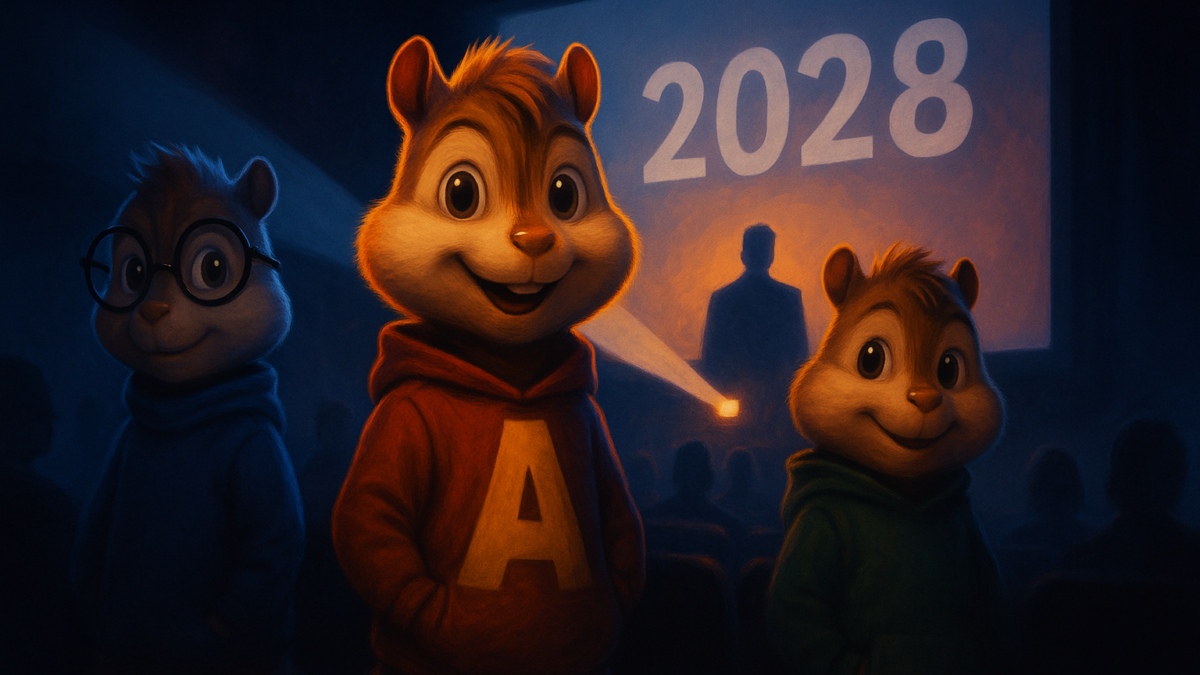
Alvin, Simon and Theodore are being tuned up for a major return to the big screen, with a new theatrical film now in early development for a planned 2028 release. The move signals a fresh push for one of family entertainment’s most durable brands, as Bagdasarian Productions teams with Big Shot Pictures on a new venture designed to expand the Chipmunks beyond nostalgia and into a new era of franchise-building.
The partnership is notable not simply because another familiar property is being revived, but because of the structure behind it. Big Shot Pictures, founded by Brian Robbins, has acquired a 25% stake in “Alvin and the Chipmunks,” aligning the company with Bagdasarian Productions, the longtime steward of the brand. That investment points to ambitions larger than a single movie. The new film is expected to be the first piece of a broader plan that could include additional screen projects, consumer products, music-driven extensions and other family-focused initiatives.
For audiences, the announcement means the Chipmunks are poised to re-enter the theatrical marketplace after a lengthy absence. For the industry, it is another example of how recognizable intellectual property continues to dominate development conversations, particularly when it comes with built-in multi-generational awareness. Alvin and his brothers have been part of pop culture for decades, crossing records, television, animation and feature films. Few family brands have the same combination of musical identity, comic personality and name recognition.
The 2028 target also gives the filmmakers and rights holders a long runway. That matters in a marketplace where family films must compete not only with other theatrical releases, but also with streaming platforms, video games and social media entertainment. A successful relaunch will require more than simply reintroducing the characters. It will need a clear creative reason for today’s children to embrace them while reassuring parents that the mischievous trio still carries the charm that made them household names.
Industry Context
The renewed push arrives at a time when studios and producers are reassessing the power of theatrical family entertainment. Animated and hybrid family films remain among the most valuable categories in Hollywood, but the path to success has become more complicated. Parents are selective about theatrical spending, younger viewers have endless at-home options, and established brands are often expected to perform as global events rather than modest domestic plays.
That pressure has made legacy characters increasingly attractive. Properties with existing awareness can cut through the noise more easily than original concepts, especially when they come with recognizable songs, catchphrases or visual signatures. “Alvin and the Chipmunks” has all three. The franchise’s high-pitched musical hook has always been central to its appeal, allowing it to function as both a character brand and a music brand. That dual identity could be especially valuable in a media environment where songs, clips and short-form moments can travel quickly online.
The Chipmunks have also proven adaptable. Created by Ross Bagdasarian Sr., the characters first became a recording phenomenon before moving into television animation and later theatrical features. The modern film cycle introduced the trio to a new generation through a blend of live action and computer animation, producing multiple box office performers and keeping the property visible through the 2000s and 2010s. While critical reception varied, the commercial takeaway was clear: families knew the brand, children responded to the characters, and the music-driven format translated internationally.
What is different now is the competitive landscape. Family franchises are being managed with a more integrated strategy, where theatrical films are often just one component of a larger ecosystem. A movie can drive streaming viewership, soundtrack activity, licensing, digital shorts, games and social engagement. Big Shot’s minority stake suggests a long-term view of the property’s potential rather than a one-off licensing arrangement. It also gives the new partners a financial incentive to build carefully, protect the characters and seek opportunities that extend beyond a single release window.
Brian Robbins’ involvement adds another layer of significance. Robbins has extensive experience across youth-oriented entertainment, television, film and franchise development, and his background reflects the kind of cross-platform thinking now central to family IP. A Chipmunks relaunch under this framework could look different from prior iterations, potentially leaning into contemporary music culture, sharper animation technology and a more global marketing approach.
The key creative question will be tone. The Chipmunks work best when the comedy is broad enough for children but grounded in a family dynamic that adults can tolerate — and ideally enjoy. Alvin’s impulsive showmanship, Simon’s intelligence and Theodore’s sweetness give the trio a classic comedic balance. A new film will likely need to preserve those dynamics while updating the world around them. Too much reinvention risks alienating longtime fans; too little could make the project feel dated before it arrives.
What Happens Next?
The project is still in its early stages, so major creative details remain under wraps. No director, writer, cast or plot has been announced, and it is not yet clear whether the movie will continue the live-action/CG hybrid approach of the previous theatrical films or move in a different visual direction. With a planned 2028 release, the producers have time to shape the package, attach talent and determine how best to position the franchise for contemporary audiences.
Expect development to focus first on the creative team and format. The choice of filmmaker will be a strong indicator of the intended tone, while the animation strategy will reveal whether the new movie aims to connect directly to earlier big-screen versions or establish a cleaner reboot. Music will also be central. Any successful Chipmunks revival will need songs that can function inside the story while also carrying promotional value outside the film.
As the partnership between Bagdasarian Productions and Big Shot Pictures takes shape, additional announcements may follow around broader brand plans. A theatrical movie is the headline initiative, but the investment suggests the companies are looking at a wider slate of possibilities. If handled strategically, the 2028 film could serve as a launchpad for a renewed Chipmunks universe built for theaters, digital platforms and the global family marketplace.
For now, the message is clear: Alvin and his brothers are being prepared for another encore. The challenge will be turning a beloved name into a fresh event for a new generation — and proving that, after decades in the spotlight, the Chipmunks still know how to make noise at the box office.