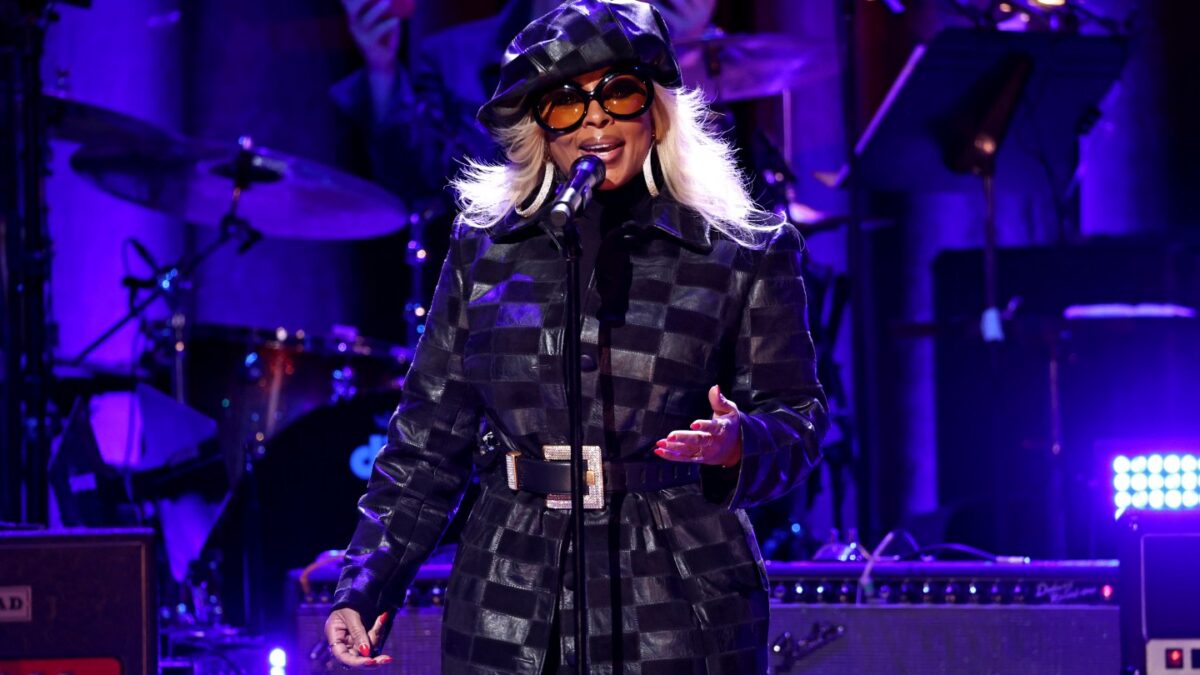
Suno is pulling an advertisement that featured Mary J. Blige and appeared to suggest the singer had endorsed the AI music platform, even though Blige did not approve the ad.
The spot showed Blige in a studio with a music producer who seemed to be using Suno to create a song akin to her own. That framing made the ad especially sensitive: according to the information available, the commercial appeared to position Blige as a co-sign for the platform, but she had not approved the advertisement in the first place.
Suno’s decision to scrap the ad addresses the immediate issue raised by the campaign: the gap between what the advertisement appeared to communicate and what Blige had actually authorized. No further details have been confirmed about how the ad was produced, where it ran, how long it was in circulation or whether additional action will follow.
Why This Matters
The controversy turns on endorsement. In entertainment advertising, the presence of a recognizable artist can carry significant meaning, particularly when the ad appears to connect that artist with a product or platform. Here, the issue is not simply that Blige appeared in an ad, but that the ad seemed to imply support for Suno despite her not having approved it.
The use of Blige’s image in a studio setting also heightened the impression created by the commercial. The ad depicted a producer apparently using Suno to generate music resembling her own work, which made the platform’s relationship to the artist part of the message viewers were likely to take from the spot.
Industry Context
Suno is described as a controversial AI music platform, and this ad underscores one of the central sensitivities around entertainment marketing in that space: how artists are represented when AI tools are promoted in connection with music creation. Based on the confirmed facts, the problem was not framed as a general disagreement over AI, but as a specific dispute over an advertisement that appeared to suggest Blige’s approval when she had not given it.
That distinction matters. A campaign can shape public perception not only through what it explicitly says, but through staging, imagery and association. In this case, Blige’s studio appearance alongside a producer seemingly using Suno to make music akin to hers created an impression the ad is now being pulled back from.
What Happens Next?
The only confirmed next step is that Suno is pulling the advertisement. What remains unclear is whether the company will issue any further explanation, whether the ad will be replaced, or whether Blige will take any additional public action regarding the campaign.
For now, the development leaves Suno retreating from a spot that appeared to borrow the weight of a major artist’s endorsement without her approval.