
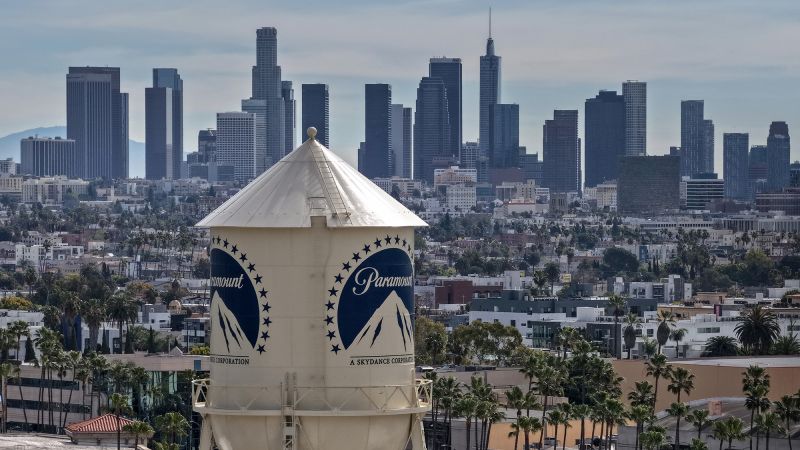
Paramount and the state officials suing to stop its proposed acquisition of Warner Bros. Discovery are expected to sit down next week for negotiations that could determine whether the high-stakes media merger fight heads toward a settlement or an antitrust trial in March.
Representatives for the company and the coalition of state attorneys general challenging the deal are scheduled to meet for talks aimed at testing whether there is any viable path to resolve the case before it reaches the courtroom, according to the outline of the dispute now before the parties. The discussions come as both sides remain sharply divided over what would be required to address competition concerns surrounding one of the most consequential entertainment industry combinations in years.
California Attorney General Rob Bonta signaled late Friday that the states are not interested in a narrow compromise built around promises about future conduct. Any resolution, he said, would need to include “robust structural remedies” that would meaningfully alter the proposed transaction.
That language matters. In antitrust shorthand, structural remedies typically mean divestitures, carve-outs or other changes to the shape of a deal — not simply commitments to keep prices down, preserve jobs, license programming or maintain certain business practices for a set period. For Paramount, such demands could strike at the strategic rationale for acquiring WBD in the first place.
The planned meeting does not mean a settlement is near. In fact, people watching the case closely say the plaintiffs may be more inclined to take their arguments to trial, where they can make a broader case about media consolidation, streaming power and the future of consumer choice. The March trial date gives both sides several months to negotiate, but it also creates a clear litigation runway if talks break down.
A deal with enormous stakes
The fight has drawn intense attention across Hollywood because the proposed combination would unite two of the most recognizable content libraries and distribution businesses in the entertainment sector. Paramount brings CBS, Paramount Pictures, Nickelodeon, MTV, Comedy Central, BET assets and Paramount+ to the table. Warner Bros. Discovery controls Warner Bros. film and television studios, HBO, Max, CNN, Discovery, TLC, Food Network, HGTV and a deep catalog stretching from DC to “Harry Potter.”
Together, the companies would represent a formidable player across theatrical film, scripted television, sports-adjacent programming, cable networks, streaming and news. Supporters of the deal argue that scale is now essential for legacy media companies trying to compete with Netflix, Disney, Amazon, Apple and YouTube, all of which have reset the economics of entertainment distribution. They contend that combining resources could create a stronger American studio business at a time when traditional TV revenue is declining and streaming remains expensive.
The state attorneys general see the matter differently. Their case is expected to focus on whether the merger would reduce competition for consumers, advertisers, distributors and creative suppliers. A larger Paramount-WBD could have more leverage in carriage negotiations with pay-TV providers, more control over must-have programming and more ability to determine how major franchises move between theaters, cable and streaming platforms.
For writers, producers, actors and independent suppliers, the concern is also about buyer power. Fewer major studio buyers can mean fewer places to sell projects, less competitive bidding and tighter terms for talent and production companies. That issue has become more pronounced as Hollywood continues to adjust to a post-peak-TV environment, where studios are ordering fewer series and scrutinizing costs more aggressively.
Why settlement will be difficult
The gap between the parties appears to be rooted in the type of remedy under discussion. Paramount is likely to prefer behavioral commitments that preserve the core transaction while answering specific concerns — for example, pledges around licensing, platform access or nondiscriminatory treatment of distributors. Regulators and state enforcers have grown increasingly skeptical of such promises, arguing that they are hard to monitor and often fail to preserve competition over time.
Bonta’s call for structural remedies raises the prospect that the states could demand the sale of certain networks, studios, streaming assets or other business units. But the more significant the divestiture, the less attractive the transaction may become for Paramount. If the value of the deal lies in combining libraries, brands, advertising inventory and distribution scale, then carving out major pieces could undermine the financial logic that drove the takeover bid.
That dynamic gives both sides leverage. The plaintiffs can use the threat of trial to press for a tougher remedy. Paramount can argue that an overly aggressive settlement demand would effectively kill a deal that it says is necessary to compete in a transformed media marketplace.
The case also lands at a moment when antitrust enforcement has become a defining issue in the entertainment and technology sectors. Regulators have challenged consolidation in publishing, gaming, live events and digital platforms, often emphasizing labor markets and supplier effects in addition to consumer pricing. Media mergers once evaluated mainly through the lens of cable rates and market share now face broader questions about control over culture, data, advertising and creative opportunity.
For WBD, the uncertainty comes as the company continues to manage debt, streaming investment and pressure on its linear cable assets. For Paramount, the dispute is a test of whether consolidation can still serve as a viable path forward for legacy media companies seeking stability. Investors across the sector will be watching closely, because the outcome could influence whether other studios pursue major combinations or conclude that the regulatory risk is too high.
What Happens Next
The next step is the negotiating session between Paramount’s representatives and the state plaintiffs. If the talks produce movement, the parties could begin shaping a settlement framework that would likely require court approval and significant public scrutiny.
If the two sides remain far apart, attention will shift back to discovery, expert reports and pretrial maneuvering ahead of the March antitrust trial. A courtroom battle would give the states a chance to argue that the merger would reshape the entertainment marketplace in ways that cannot be fixed after the fact, while Paramount would seek to prove that the combination is pro-competitive and necessary in an era dominated by global streaming giants.
For now, the negotiating table is open — but the distance between a workable compromise and a full-scale merger trial remains substantial.