
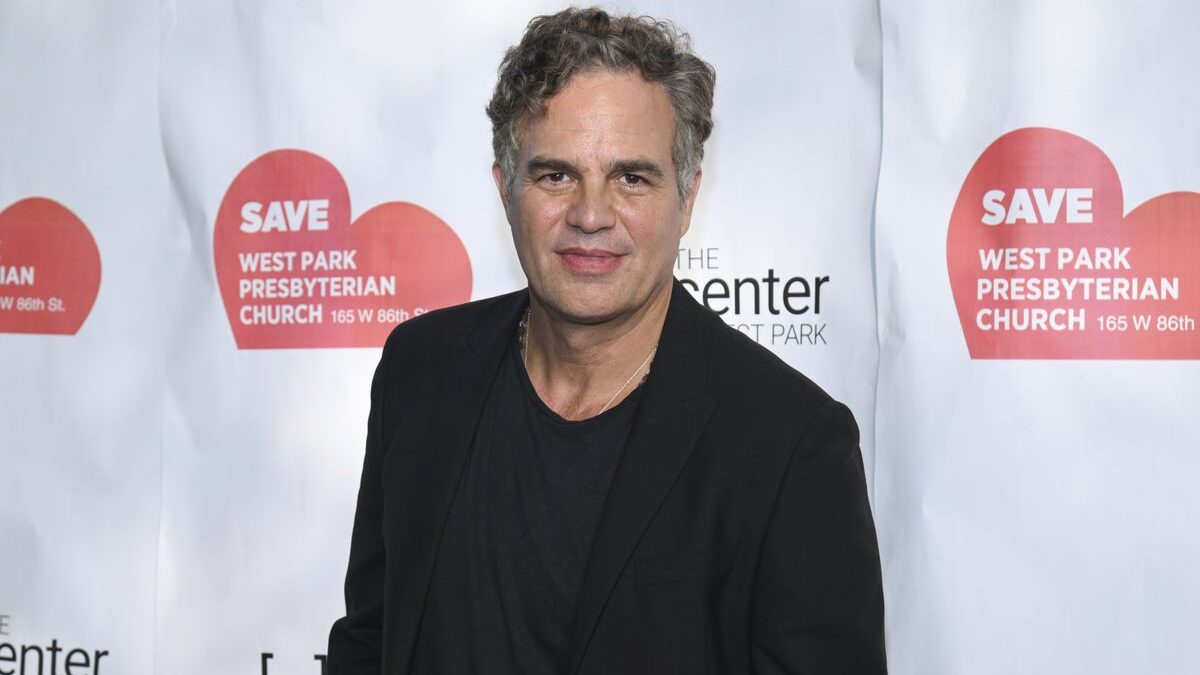
Mark Ruffalo escalated his campaign against Paramount Skydance’s pending acquisition of Warner Bros. Discovery on Friday, using his Instagram Story to link the Ellison family’s Hollywood ambitions to Oracle’s business and political ties to Israel amid the war in Gaza.
The Oscar-nominated actor reposted a video of Oracle executive vice chair Safra Catz discussing the technology giant’s support for Israel’s military, then framed the clip as evidence that the Ellison family and Oracle are entangled in what he called a “genocide” against Palestinians. Ruffalo’s post tied that accusation directly to his opposition to the proposed media merger, arguing that the people behind the deal should face scrutiny far beyond traditional antitrust concerns.
Ruffalo, best known globally for playing Bruce Banner and the Hulk in Marvel films and set to appear in the blockbuster “Spider-Man: Brand New Day,” has long been one of Hollywood’s most outspoken political voices. But his latest comments place him in the middle of one of the entertainment industry’s most consequential corporate battles, turning a Wall Street-driven consolidation story into a flashpoint over tech money, foreign policy, media ownership and celebrity activism.
Representatives for Ruffalo, Oracle, Paramount Skydance and Warner Bros. Discovery did not immediately respond to requests for comment.
The actor’s remarks centered on the Ellison family, whose influence spans Silicon Valley and Hollywood. Larry Ellison, Oracle’s co-founder and one of the world’s wealthiest individuals, is the father of David Ellison, the Skydance founder and CEO who has become a central figure in the reshaping of Paramount. Oracle has maintained a significant presence in Israel, and Catz, an Israeli-born executive who has been one of the company’s most powerful leaders, has publicly spoken about the company’s support for the country.
Ruffalo’s use of the term “genocide” reflects language adopted by many pro-Palestinian activists and human rights advocates during Israel’s military campaign in Gaza. Israel has rejected that characterization, saying its war is aimed at Hamas following the Oct. 7 attacks. The debate has become one of the most divisive issues in Hollywood, where public statements on the conflict have carried professional consequences and prompted fierce reactions from talent, studios, guild members and audiences.
A merger fight moves beyond Wall Street
The pending Paramount Skydance acquisition of Warner Bros. Discovery is already drawing scrutiny because of its potential scale. A completed transaction would further concentrate control over film studios, television networks, streaming platforms, news assets and deep libraries of intellectual property at a time when the media business is under severe pressure from cord-cutting, streaming losses, shrinking theatrical windows and a soft advertising market.
For Ruffalo, the merger has become a larger moral and political question. His posts have argued that regulators and the public should examine not only whether the deal would reduce competition, but also who would gain more power over American media if it were approved. By invoking Oracle’s ties to Israel’s military, he is attempting to connect ownership structure with geopolitical accountability — a line of argument that is increasingly common among activists but still unusual in mainstream merger discourse.
That matters because Hollywood consolidation is no longer just an industry story. Studios and streamers shape news coverage, documentary production, entertainment franchises and the global export of American culture. Warner Bros. Discovery controls assets ranging from Warner Bros. Pictures and HBO to CNN, Discovery and major sports rights. Paramount’s portfolio includes CBS, Paramount Pictures, Nickelodeon, MTV and Paramount+. A tie-up involving those businesses would inevitably raise questions about editorial independence, creative control and the future of jobs across the sector.
Ruffalo’s intervention is unlikely to determine the fate of the deal on its own. Federal regulators typically focus on competition, consumer harm, labor impact and market concentration, not an owner’s political associations. Still, celebrity voices can help move a corporate transaction into the broader public conversation, especially when the speaker has a large following and a history of activism.
The actor has previously used his platform to speak out on climate change, Indigenous rights, labor issues and the war in Gaza. That record has earned him praise from activists and criticism from those who argue that celebrities often flatten complex international issues into social media posts. In this case, Ruffalo’s comments arrive at a moment when studios are particularly sensitive to public controversy, as executives try to reassure investors, lawmakers and creative partners that consolidation will not narrow the industry’s future.
Hollywood’s political fault lines
The entertainment business has spent the past year navigating intense internal divisions over Gaza. Publicists, agents and studio executives have become more cautious about statements from high-profile clients, while actors and filmmakers have faced pressure from both pro-Israel and pro-Palestinian groups. Award-season events, film festivals and guild gatherings have all seen the conflict surface in speeches, protests or red-carpet questions.
Ruffalo’s comments also highlight the increasingly porous boundary between technology fortunes and entertainment ownership. Silicon Valley money has helped fuel streaming, production and acquisition activity for years, but the political and defense-related business interests of tech companies are now receiving greater scrutiny from artists and audiences. Oracle’s government and enterprise work, including its ties to Israel, gives Ruffalo’s critique a sharper edge than a standard anti-merger argument.
For Paramount Skydance and Warner Bros. Discovery, the risk is not simply one actor’s Instagram Story. The larger challenge is whether opposition can harden into a coalition of talent, labor advocates, media watchdogs and political figures who view the merger as emblematic of unchecked billionaire influence over culture. Even if regulators ultimately judge the deal through narrower legal standards, public pressure can affect timelines, congressional attention and the willingness of creative partners to engage.
What Happens Next
The next phase will likely play out on several fronts: regulatory review, investor messaging and the court of public opinion. Paramount Skydance and Warner Bros. Discovery will need to keep emphasizing the business rationale for the acquisition, while critics like Ruffalo are expected to continue pressing questions about ownership, ethics and influence.
Ruffalo’s post ensures that the merger fight will not remain confined to bankers and boardrooms. Whether his criticism changes the deal’s trajectory is uncertain, but it has expanded the conversation around it — and in Hollywood, that kind of attention can become its own form of pressure.