
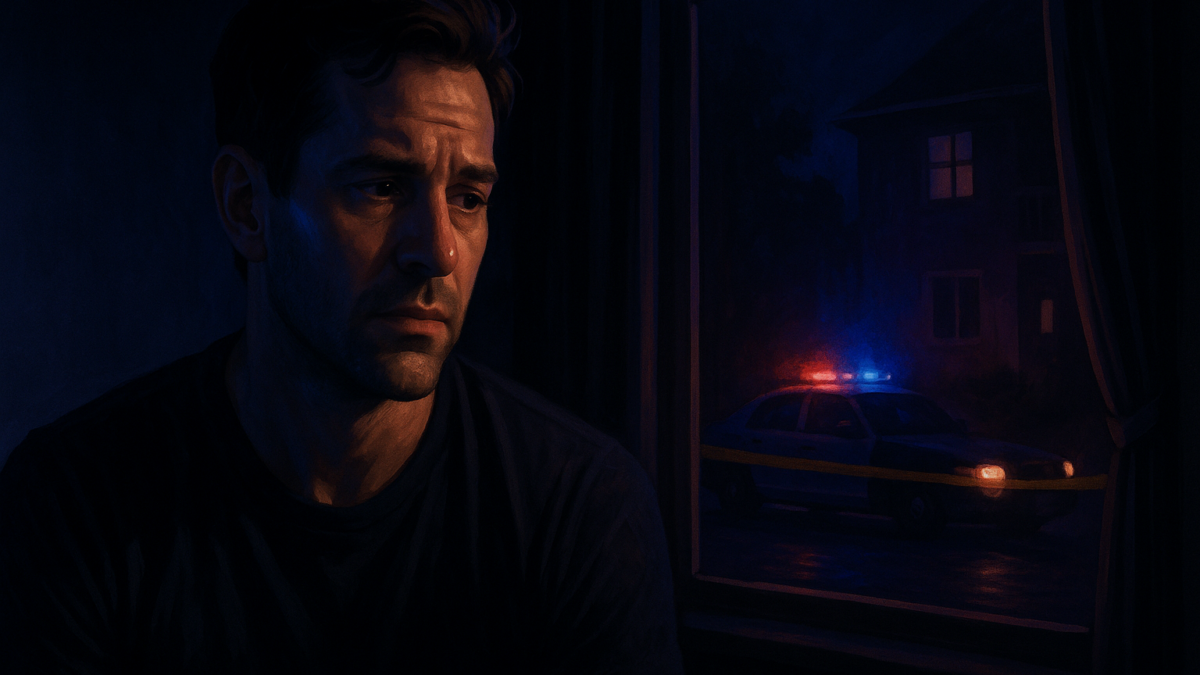
Tyler Duckworth, the reality television personality who first became known to MTV viewers on The Real World: Key West and later became a formidable competitor on The Challenge, was found dead Tuesday at his apartment in Grand Forks, North Dakota. He was 44.
Duckworth’s death was confirmed publicly by his mother in a Facebook post on Aug. 13. “My son, Tyler, passed away earlier this week. Cause of death has yet to be determined. I will post on Facebook about services as soon as his dad and I figure it out,” she wrote.
No official cause of death has been released. Authorities have not announced additional details surrounding the circumstances, and the family has asked for space as arrangements are made.
Duckworth entered the national spotlight in 2006 as part of the cast of MTV’s The Real World: Key West, the 17th season of the influential reality franchise. The show, built around a group of young strangers living together under constant camera coverage, was already a defining force in unscripted television by the time Duckworth joined. His season unfolded against the backdrop of Key West’s party culture, personal conflicts and emotional breakthroughs, giving viewers a vivid introduction to his outspoken personality and competitive drive.
For many fans, however, Duckworth’s television identity became even more closely tied to The Challenge, MTV’s long-running competition series that evolved from a spinoff of The Real World and Road Rules into one of cable’s most durable reality franchises. Duckworth competed across multiple seasons and became a two-time champion, earning a reputation as a physical threat, a strategic player and one of the show’s more memorable cast members from its mid-2000s era.
His wins helped cement his place in a generation of MTV personalities who bridged the gap between early social-experiment reality TV and the more athletic, game-driven format that now dominates much of the unscripted landscape. At a time when reality stars were beginning to build careers beyond a single season, Duckworth became part of the group of returning competitors who gave The Challenge its ongoing mythology: alliances, rivalries, comeback arcs and fan debates that continued long after episodes aired.
Duckworth’s death is significant not only to viewers who followed his television career, but also to the broader reality TV community, where former cast members often remain connected through conventions, podcasts, social media and fan events. MTV’s unscripted universe has produced a uniquely loyal audience, one that tracks cast members over decades and treats their personal milestones as part of a shared cultural history.
That sense of familiarity is one of the reasons news of a cast member’s death can resonate so strongly. Unlike scripted performers, reality stars are marketed through the promise of access: viewers meet them as roommates, competitors, friends and rivals. Duckworth’s time on television came during an era when those boundaries were still being defined, before Instagram and TikTok allowed reality personalities to narrate their lives in real time.
In the mid-2000s, MTV remained a dominant tastemaker for young audiences, and The Real World was still a launchpad for national recognition. Appearing on the show could instantly turn an unknown twenty-something into a public figure. The Challenge then extended that visibility, turning select alumni into recurring characters in an expanding reality ecosystem.
Duckworth’s presence on those programs placed him in the lineage of cast members who helped shape the modern reality competition template. Long before streaming platforms invested heavily in dating shows, survival contests and celebrity-adjacent docuseries, MTV was refining the model of serialized unscripted storytelling built around returning personalities. Duckworth was part of that machinery at a crucial moment, when the network was transforming its reality alumni into a roster of familiar stars.
Over the years, The Challenge has grown into a franchise with international versions, spinoffs and a deeper competitive structure, but its history remains rooted in cast members like Duckworth, whose personalities gave the show its edge. Fans remember not just the wins and eliminations, but the confessionals, confrontations and emotional stakes that made the series feel personal.
Tributes from viewers began circulating online after news of Duckworth’s death spread, with many recalling his sharp humor, competitive intensity and place in the franchise’s history. For longtime MTV fans, his passing marks another somber moment for a reality TV generation that came of age in public and remains closely associated with a formative period in cable television.
Duckworth largely stepped away from the center of the entertainment spotlight in later years, as many early reality personalities did. That quieter post-TV life is common among alumni of the genre, whose public recognition can remain intense within fan circles even as they move into private careers, family life or local communities far from Los Angeles and New York.
The reality television business has changed dramatically since Duckworth first appeared on MTV. Today’s unscripted stars often arrive with preexisting social media followings, brand partnerships and carefully managed public images. Duckworth belonged to an earlier class of reality figures whose fame was built almost entirely through the edit of weekly television and the raw unpredictability of ensemble casting.
That distinction is part of why his career remains relevant. He was visible during a period when reality TV was still proving its staying power, and his success on The Challenge contributed to a format that continues to influence how networks and streamers develop competition programming.
What Happens Next
Duckworth’s family is expected to share information about memorial services once arrangements have been finalized. His mother said the cause of death has not yet been determined, and further details may come from officials or the family when they are ready to release them.
For now, fans and former castmates are left to remember a reality TV figure who helped define a notable chapter of MTV history — one in which ordinary people became enduring screen personalities, and a competition spinoff grew into one of television’s longest-running unscripted franchises.