
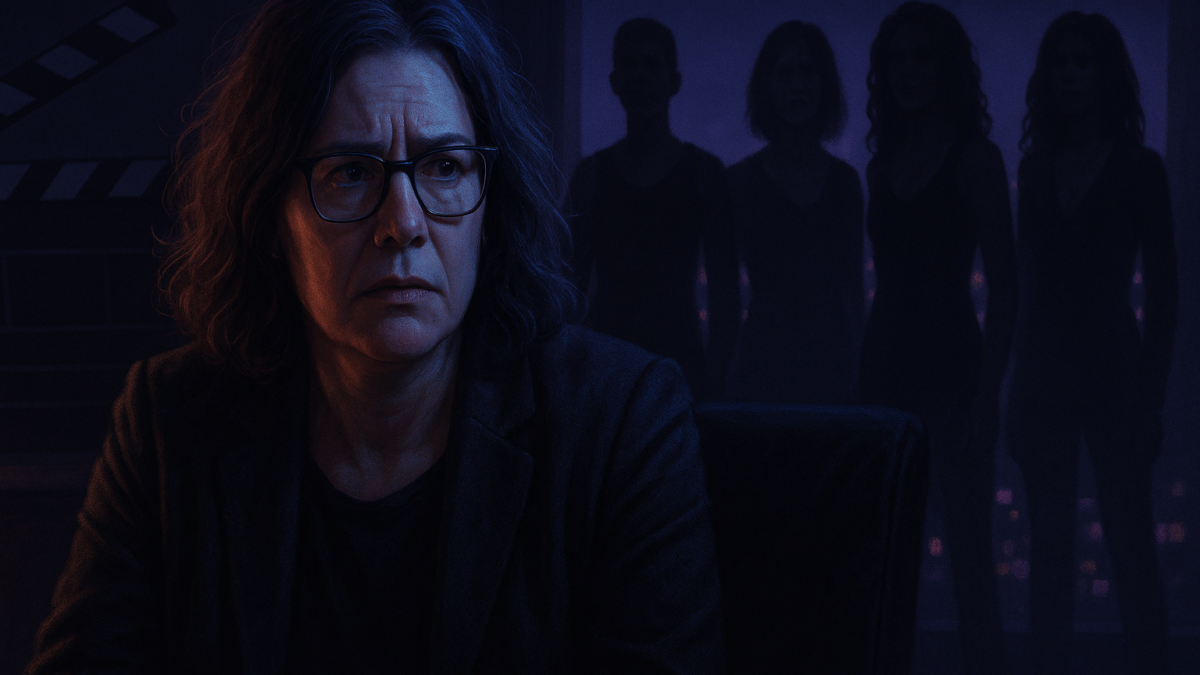
Lilly Wachowski says her next film has stalled in the marketplace because financiers are unwilling to back a project led entirely by transgender performers.
The filmmaker, best known for co-directing the original Matrix trilogy with her sister Lana Wachowski, said on KCRW’s The Business podcast that she has been unable to secure funding for The Hunted, a thriller budgeted at roughly $10 million. According to Variety, Wachowski attributed the resistance directly to the film’s casting, saying potential backers “really don’t want to make it because it’s got a wall-to-wall trans cast.”
The comments put a blunt spotlight on a question Hollywood has often preferred to discuss in softer language: how much of the industry’s stated commitment to inclusion survives when a project requires real financial risk. Wachowski is not an emerging unknown asking for a chance. She is one half of the filmmaking team behind one of the most influential science-fiction franchises in movie history, a series that reshaped action cinema, visual effects and pop culture vocabulary.
That pedigree would typically be enough to make a modestly budgeted genre film at least a serious conversation. But Wachowski’s remarks suggest that, when the principal cast is transgender, even a commercially familiar package such as a thriller can become a difficult sell.
The situation is especially notable because The Matrix has long been embraced by queer and trans audiences for its themes of identity, transformation, systems of control and liberation from prescribed realities. Both Wachowski sisters later came out as transgender, and the franchise has been reexamined through that lens by critics, fans and scholars. Lilly Wachowski’s inability to finance a trans-led project underscores a disconnect between Hollywood’s celebration of the Wachowskis’ cultural legacy and its willingness to support the kind of representation that legacy helped inspire.
Why the Financing Fight Matters
At approximately $10 million, The Hunted sits in one of the most difficult zones of the current film business. It is too expensive to be easily mounted as a scrappy microbudget feature, but far below the scale of studio franchise filmmaking. That middle-budget space has been shrinking for years as studios prioritize global tentpoles, streamers tighten spending and independent financiers become more selective about projects without obvious presales value.
Genre films can still break through at that level, particularly thrillers and horror titles, which have long provided opportunities for fresh voices and underrepresented casts. But the international sales market, private equity backers and distributors often remain conservative when evaluating projects they perceive as politically charged or commercially untested. Wachowski’s allegation is that the obstacle is not the story, the genre or the budget, but the identity of the actors positioned at the center of the film.
That distinction matters. Trans performers have made major gains in television and independent film over the past decade, with series such as Pose, Orange Is the New Black and Euphoria helping bring trans characters and actors into mainstream conversation. Yet the film industry has been slower to build trans performers into leads, particularly in genre pictures designed for broad distribution.
Hollywood’s representation gap is not simply about visibility on screen. It is about who is considered bankable, whose stories are treated as universal and which audiences executives believe are worth pursuing. Wachowski’s comments suggest that trans-led storytelling is still being viewed by some decision-makers as a niche proposition, despite clear evidence that audiences have become more open to diverse casting and stories across film and television.
A Risk-Averse Industry Moment
The financing challenge also arrives during a broader period of retrenchment. After the streaming boom created a surge in production, the business has shifted toward cost-cutting, fewer greenlights and increased scrutiny of projects that do not arrive with recognizable intellectual property or built-in stars. Independent producers have been hit particularly hard, with many films struggling to close budgets even with established talent attached.
In that environment, projects built around marginalized communities can be the first to face skepticism, not necessarily because executives say they oppose inclusion, but because they frame the concern in terms of marketability. The result can be the same: ambitious work gets delayed, downsized or abandoned before audiences ever have the chance to respond.
Wachowski’s stature makes the case harder to dismiss. Her career includes not only The Matrix films but also Bound, Cloud Atlas, Sense8 and the Showtime series Work in Progress. Across those projects, she and Lana Wachowski have repeatedly explored outsiders, chosen families, bodily autonomy and rebellion against oppressive systems. The Hunted, as described, appears to continue that interest while placing trans actors not at the margins but at the center of the narrative.
For the industry, the story raises an uncomfortable question: if a filmmaker with Wachowski’s résumé cannot secure financing for a trans-led thriller at a mid-level budget, what does that signal to less established directors and performers trying to get similar work made?
What Happens Next
Wachowski’s public remarks may put new pressure on financiers, streamers and specialty distributors to take a closer look at The Hunted. Projects that struggle privately can sometimes gain momentum once the reasons for that struggle become part of the public conversation, particularly when the filmmaker involved has a major cultural profile.
The next step will be whether a backer is willing to see the film’s all-trans cast not as a liability but as the defining reason to make it. If The Hunted finds its financing, it could become a meaningful test case for the commercial prospects of trans-led genre filmmaking. If it does not, Wachowski’s comments will stand as a stark reminder that Hollywood’s promises about inclusion still depend on who is allowed to carry a movie.