Why This Matters
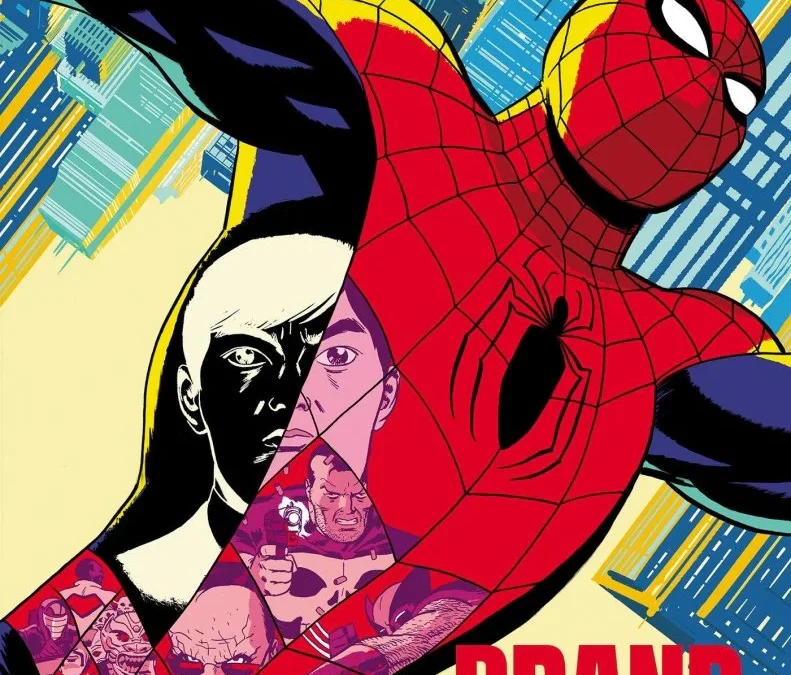
Peter Parker has returned to the center of the pop-culture conversation, and the timing could hardly be better for studios, streamers and fans. With Spider-Man: Brand New Day now playing in theaters and generating major event-movie heat, Disney+ is benefiting from the kind of franchise halo effect that Hollywood increasingly counts on: a theatrical release that drives audiences back to the library.
For viewers, the appeal is straightforward. The modern live-action Spider-Man catalog — from Tobey Maguire’s defining early-2000s run to Andrew Garfield’s more emotionally bruised take and Tom Holland’s Marvel Cinematic Universe era — is now available in one streaming destination for Disney+ subscribers, with the exception of the new film currently exclusive to theaters. That creates a clean on-ramp for casual fans who want a refresher and for younger viewers discovering earlier versions of the character for the first time.
The move matters because Spider-Man is not just another superhero brand. He is one of the few comic-book characters with cross-generational pull, capable of selling tickets, merchandise, streaming subscriptions and social-media conversation all at once. When a new Spider-Man movie lands, the audience does not merely watch the latest installment. It often revisits the entire mythology: the origin stories, the villains, the heartbreaks, the alternate timelines and the many ways the franchise has reimagined what “with great power” means.
That is especially valuable at a moment when the entertainment business is looking for reliable engagement. Streaming platforms are under pressure to reduce churn, justify subscription costs and keep viewers inside their ecosystems longer. A full franchise collection gives Disney+ a timely advantage, allowing the service to position itself as the place where the broader Spider-Man screen legacy can be revisited while the newest chapter plays on the big screen.
Industry Context
The Spider-Man streaming picture has often been more complicated than fans might expect. Sony Pictures controls the film rights to the character, while Disney’s Marvel Studios has collaborated on the Tom Holland-era films within the MCU. That unusual arrangement has made Spider-Man one of Hollywood’s most closely watched franchise partnerships, with theatrical distribution, creative control and streaming windows all carrying outsized significance.
For years, that complexity meant Spider-Man films were scattered across different platforms at different times. The ability to find the major live-action films together on Disney+ represents more than convenience; it reflects how valuable established franchises have become in the streaming era. Services no longer compete only on new originals. They also compete on depth, familiarity and the ability to make a subscriber feel that an entire cinematic universe is within reach.
The availability of the live-action catalog also underscores how the superhero genre has evolved. Sam Raimi’s original trilogy helped define the modern comic-book blockbuster, blending sincerity, spectacle and operatic melodrama before shared universes became the industry standard. Garfield’s Amazing Spider-Man films arrived during a transitional moment, when studios were testing darker tones and franchise expansion models. Holland’s run folded the character into the MCU machinery, pairing high-school comedy with multiverse stakes and direct connections to Marvel’s broader storytelling engine.
That history now functions as both entertainment and context. Audiences heading into Brand New Day can revisit the films that shaped expectations for the character and track how each era responded to its moment in Hollywood. The early films leaned on classical superhero spectacle; the reboot emphasized emotional damage and youthful restlessness; the MCU version explored mentorship, legacy and the cost of belonging to a larger world.
It also comes at a notable time for comic-book movies more broadly. The genre remains commercially powerful, but it is no longer immune to audience fatigue. Recent years have shown that brand recognition alone is not enough; viewers want urgency, emotional stakes and a reason to show up now. Spider-Man remains one of the rare properties that can still cut through the noise, in part because the character’s core identity is remarkably durable: an ordinary young man constantly forced to choose responsibility over comfort.
For Disney+, the catalog play is a reminder that streaming and theatrical do not have to work against each other. A major release can make older films feel newly relevant, while streaming access can deepen audience investment in the theatrical installment. In a fragmented market, that kind of circular momentum is increasingly valuable.
What Happens Next?
In the near term, expect Spider-Man viewing to surge at home as fans compare eras, rewatch key appearances and debate how the latest film fits into the character’s larger screen canon. Disney+ is well positioned to capture that attention while the theatrical campaign continues, particularly among households looking to turn the new release into a full franchise marathon.
The next question is how long the theatrical window for Brand New Day remains exclusive before the film begins its home-entertainment rollout. As with most major studio releases, the path will likely move through premium digital rental and purchase before any subscription-streaming debut. Because Spider-Man’s film rights involve Sony, the eventual streaming destination and timing will be watched closely by fans and industry observers alike.
For now, the message to audiences is simple: the newest adventure belongs to theaters, but nearly every live-action chapter that built the modern Spider-Man phenomenon is available to revisit at home. That gives the franchise the best of both worlds — a big-screen event driving conversation and a streaming library ready to keep that conversation going long after the credits roll.
If Brand New Day continues to perform at this pace, the ripple effects could be substantial. Sony and Marvel will have further proof that Spider-Man remains one of the safest bets in blockbuster filmmaking, while Disney+ gains a timely reminder of the power of library titles when paired with a cultural moment. For Peter Parker, the mask may keep changing hands, but the audience keeps swinging back.