Why This Matters
David Ellison’s reported message to Paramount employees is more than an internal morale exercise. It is a signal to Wall Street, Hollywood labor, creative partners and regulators that the company’s leadership is not backing away from one of the most consequential media consolidation plays in recent memory.
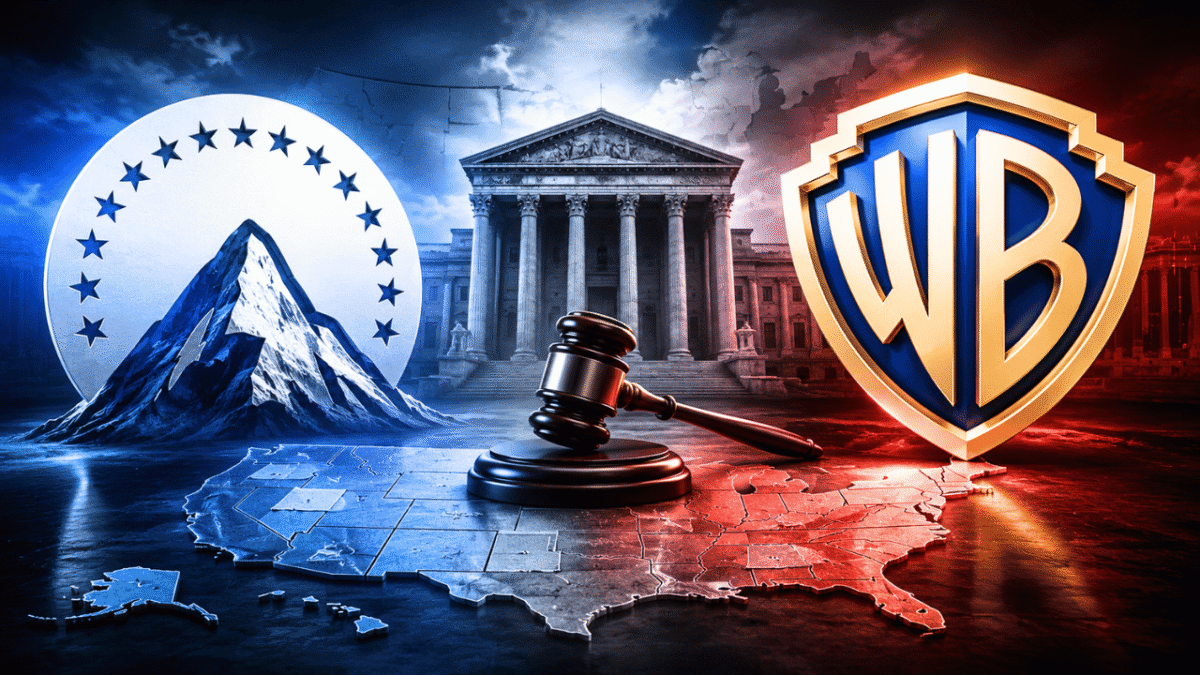
According to reports, Ellison told staff in a companywide memo that he remains confident Paramount’s proposed $110 billion combination with Warner Bros. Discovery can ultimately close, even as the companies have agreed to pause forward movement while they confront antitrust challenges. That pause follows lawsuits filed by a coalition of 12 state attorneys general, led by California, who are seeking to scrutinize or block the transaction on competitive grounds.
The stakes are unusually high because the deal would reshape a large portion of the entertainment ecosystem in one move. Paramount brings CBS, Paramount Pictures, Paramount+, Nickelodeon, MTV, BET and a deep film and television library. Warner Bros. Discovery controls Warner Bros. Pictures, HBO, Max, CNN, Discovery, TNT Sports and a vast catalog that spans scripted television, unscripted programming, news, sports and theatrical franchises. A merger would create a media giant with enormous leverage across theatrical distribution, streaming, cable networks, news and sports rights.
For employees, Ellison’s memo appears designed to steady nerves during a period when uncertainty can be as damaging as bad news. Mergers of this size often trigger anxiety over layoffs, leadership changes, brand consolidation and shifting creative priorities. The longer a deal remains in regulatory limbo, the harder it becomes for executives to retain talent, close production deals and make long-term strategic commitments.
For the broader industry, the message matters because it suggests Paramount intends to fight for the merger rather than use the legal delay as a pathway to renegotiate, retreat or seek another partner. In a media market where scale has become the dominant survival strategy, confidence from the top can influence investor expectations and competitor behavior. Rivals will now be watching closely to see whether this confidence is grounded in legal strategy, political calculation or simple deal-making resolve.
Industry Context
The proposed Paramount-Warner Bros. Discovery transaction arrives at a volatile moment for legacy media companies. The old cable bundle continues to decline, streaming remains expensive and unevenly profitable, theatrical box office patterns are less predictable than they were before the pandemic, and sports rights costs keep rising. Companies that once competed through individual channels and studios are increasingly trying to build broader platforms that can support global streaming, advertising, licensing and live events.
Regulators, however, are taking a more skeptical view of consolidation than they did in earlier media eras. The lawsuits from state attorneys general point to a growing concern that combining two major entertainment suppliers could reduce competition for consumers, advertisers, distributors and creative workers. A merged company would control a substantial share of premium scripted output, unscripted programming, film libraries and television brands. That could raise questions about pricing, carriage negotiations, licensing access and the bargaining power available to writers, producers, actors and independent suppliers.
This is not the first time Hollywood has seen a transformative deal face government scrutiny. Disney’s acquisition of key 21st Century Fox assets, AT&T’s former ownership of WarnerMedia and Discovery’s later combination with WarnerMedia all triggered intense debate about media concentration. Each transaction promised efficiency and scale. Each also led to significant restructuring, job cuts and changes in how content was developed, sold and distributed.
What makes this proposed merger especially sensitive is the current political and economic climate. Streaming platforms are still searching for sustainable margins after years of subscriber-at-all-costs spending. Linear television networks, once reliable profit centers, are under pressure from cord-cutting. Studios are under pressure to spend more selectively. At the same time, consumers are frustrated by rising subscription fees and fragmented content libraries. Regulators may argue that another large-scale merger risks worsening those conditions rather than solving them.
Ellison’s role adds another layer of intrigue. He has long been associated with a more tech-forward, franchise-oriented view of entertainment, having built Skydance into a significant producer of films and television series. His leadership at Paramount is being watched for signs of how a younger generation of media executives might reposition legacy assets. A successful merger with Warner Bros. Discovery would instantly make him one of the most powerful figures in global entertainment, overseeing a portfolio that spans superhero franchises, prestige drama, broadcast news, children’s programming, sports and theatrical tentpoles.
Still, confidence inside a memo does not erase the complexity of the legal fight. Antitrust challenges can slow deal momentum, increase financing pressure and force concessions. Regulators could seek divestitures, behavioral remedies or structural changes. Even if the companies prevail, the delay itself can be costly, especially if market conditions shift or if key executives and creative partners become uncertain about where authority ultimately resides.
What Happens Next?
The immediate next phase will be legal rather than operational. Paramount and Warner Bros. Discovery are expected to defend the merger against the state-led antitrust lawsuits while maintaining enough internal momentum to keep the transaction viable. That means legal teams will be working to show that the combined company would not unlawfully harm competition and that the deal is necessary to compete against larger technology-backed rivals in streaming, advertising and distribution.
Expect regulators to focus on market definitions. The companies may argue that they compete in a broad entertainment landscape that includes Netflix, Amazon, Apple, YouTube, Disney, Comcast and other digital platforms. Opponents may try to frame the deal more narrowly, looking at premium television, film libraries, cable networks, sports programming or bargaining power with distributors. How the courts interpret those markets could determine the path forward.
Inside both companies, management will have to strike a careful balance. They cannot fully integrate while the merger is on hold, but they also cannot behave as if the deal has collapsed. Employees will be looking for clarity on hiring, greenlights, vendor agreements and executive decision-making. Creative partners will want reassurance that projects will not be stranded between two corporate structures.
Investors will also be watching for any sign that the delay changes the financial assumptions behind the $110 billion proposal. Rising legal costs, shifting debt markets or weaker advertising trends could complicate the economics. Conversely, if Paramount and Warner Bros. Discovery present a unified front and secure early procedural wins, confidence in the transaction could strengthen.
For now, Ellison’s reported memo functions as a public-private declaration of intent: the deal may be delayed, but Paramount’s leadership is not treating it as derailed. The next meaningful developments will likely come from court filings, regulatory responses and any negotiated remedies that emerge as the companies try to preserve the merger’s core value while addressing government concerns.