
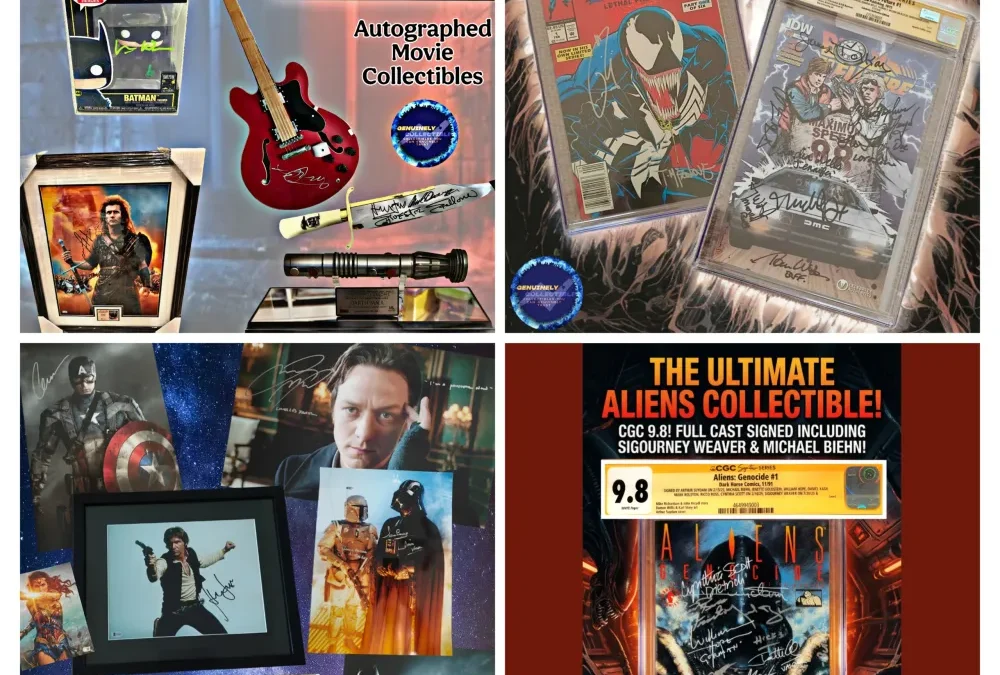
When people think about the entertainment industry, they often focus on movies, television shows, music, streaming platforms, and celebrity culture.
Yet some of the industry’s most profitable opportunities come from products that exist far beyond the screen.
Merchandise has become a multi-billion-dollar business that allows entertainment companies to transform audience enthusiasm into long-term revenue.
From action figures and apparel to collectibles and home décor, merchandise plays a critical role in how entertainment brands generate value.
For many franchises, merchandise is not simply a side business.
It is a core part of the business model.
Turning Fans Into Customers
One of the most powerful aspects of entertainment merchandise is its ability to strengthen the relationship between audiences and brands.
Fans often want more than a viewing experience.
They want a tangible connection to their favorite characters, stories, performers, and franchises.
Merchandise provides that connection.
Whether it’s a concert T-shirt, a collectible figure, or a limited-edition item, merchandise allows audiences to express their identity and fandom.
This emotional connection often drives purchasing decisions.
The Power of Intellectual Property
Merchandise succeeds because of intellectual property.
Popular characters, logos, symbols, and storylines create recognition that consumers already trust and understand.
Entertainment companies with strong intellectual property portfolios possess significant advantages in the merchandise marketplace.
Successful franchises can generate revenue across multiple categories simultaneously.
Products may include:
- Apparel
- Toys
- Collectibles
- Home goods
- Books
- Video games
- School supplies
- Accessories
The broader the brand awareness, the greater the merchandise opportunity.
Movies and Merchandise
Some of the most successful entertainment franchises generate enormous merchandise revenue.
In certain cases, merchandise sales can rival or even exceed revenue generated by theatrical releases.
A successful film may create years of merchandise opportunities through licensing agreements and retail partnerships.
Characters that resonate with audiences often become valuable long after a movie leaves theaters.
This long-term earning potential makes merchandise particularly attractive.
Music Merchandise Has Evolved
Concert merchandise has become one of the most important revenue streams in the music business.
Artists increasingly sell:
- Tour apparel
- Limited-edition collectibles
- Vinyl records
- Posters
- Accessories
- Exclusive fan products
For many performers, merchandise serves as both a revenue source and a marketing tool.
Fans purchase products that help strengthen their connection to the artist and the live experience.
As touring has grown, merchandise sales have become increasingly important.
Limited Editions Drive Demand
Scarcity plays a major role in merchandise success.
Limited-edition products often create urgency among consumers and collectors.
Exclusive releases can generate significant demand while increasing perceived value.
Entertainment companies frequently use limited availability to encourage engagement and create excitement around product launches.
This strategy has become common across movies, music, gaming, sports, and celebrity brands.
Licensing Expands Opportunities
Many entertainment companies do not manufacture products themselves.
Instead, they license intellectual property to third-party manufacturers and retailers.
Licensing agreements allow companies to earn revenue while reducing production and inventory risks.
This approach enables entertainment brands to expand into numerous product categories without managing every aspect of the business directly.
Licensing has become one of the industry’s most important revenue strategies.
The Future of Entertainment Merchandise
Technology continues creating new opportunities for merchandise sales.
Online stores, social commerce, influencer marketing, and direct-to-consumer platforms have expanded how products reach audiences.
At the same time, collectible culture remains strong.
Fans continue seeking products that help them celebrate and display their connection to favorite entertainment brands.
As intellectual property becomes increasingly valuable, merchandise will likely remain a critical component of entertainment economics.
For studios, musicians, streamers, celebrities, and media companies, merchandise represents far more than souvenirs.
It is one of the most effective ways to turn audience passion into long-term business success.
Related ShowBiz Originals
- How Entertainment Franchises Became Billion-Dollar Brands
- How Celebrities Make Money Beyond Movies And Music
- Why Music Festivals Have Become Billion-Dollar Events
- How Entertainment Companies Build Global Brands
About ShowBiz Originals
ShowBiz Originals delivers exclusive analysis, commentary, and insights covering the business of entertainment, movies, television, music, streaming, gaming, technology, and celebrity culture.