
Warner Music Group is seeking $64 million from EssilorLuxottica, alleging that the Ray-Ban parent company used hundreds of copyrighted songs in social media advertising without securing or paying for the necessary rights.
The complaint, filed Friday, Oct. 9, accuses the Italian eyewear conglomerate of infringing 427 copyrights owned by WMG. According to the lawsuit, which was obtained by Billboard, the music company is pursuing the maximum statutory award of $150,000 for each work.
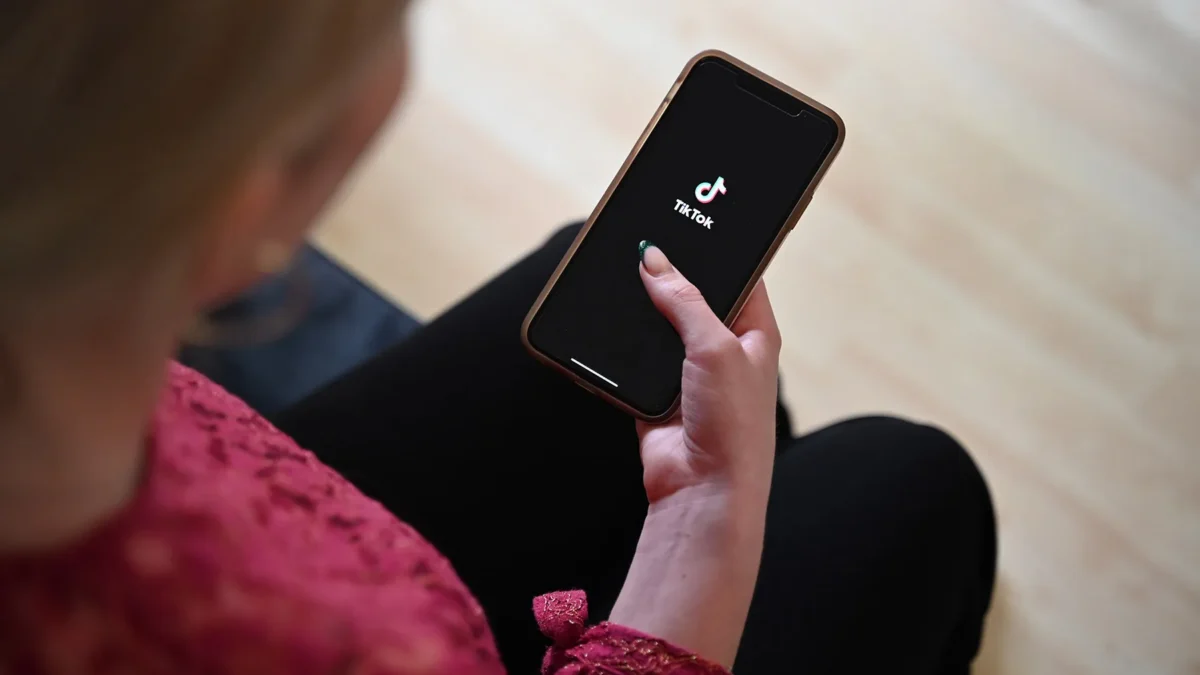
EssilorLuxottica owns brands including Ray-Ban, Oakley and Sunglasses Hut. WMG claims the company regularly placed unlicensed music in advertisements distributed to an audience of more than 36 million followers across Facebook, Instagram, TikTok and YouTube.
The songs named in Warner’s complaint
The alleged uses cover both recordings released by WMG labels and compositions published by Warner Chappell.
Among the recordings cited in the case are Charli xcx’s “Apple” and Dua Lipa’s “Don’t Start Now.” The Warner Chappell compositions identified in the complaint include Drake’s “0 to 100/The Catch Up,” Rihanna’s “Where Have You Been,” Taylor Swift’s “You Belong with Me” and Travis Scott’s “Sicko Mode.”
WMG alleges that EssilorLuxottica benefited financially from the advertisements while leaving the owners of the music uncompensated. The complaint describes the eyewear company’s advertising as “wildly successful” in helping sell products and says EssilorLuxottica has generated billions of dollars in revenue.
“Defendants used the Plaintiffs’ copyrighted works to build their brand profiles and drive sales without paying any compensation to Plaintiffs,” the lawsuit states.
WMG’s argument is not limited to payment. The company also says the alleged unauthorized uses prevented its artists and songwriters from deciding how their work would be associated with commercial campaigns.
“Defendants not only failed to pay for the use of Plaintiffs’ copyrighted works, but by including these works in the Luxottica videos without Plaintiffs’ consent, Defendants deprived Plaintiffs and their artists and songwriters of the ability to control how and where their art is used,” the complaint says.
EssilorLuxottica did not immediately respond to a request for comment about the lawsuit on Monday, Oct. 12.
Why social media music licenses are at issue
The case lands amid a broader legal push by major music rightsholders against corporate social media accounts that use tracks without commercial authorization.
Platforms including Instagram and TikTok maintain blanket licenses that let individual users add music from large libraries of pre-cleared songs to their videos. Those arrangements do not automatically give businesses the same freedom to place those tracks in branded advertising.
Music companies require commercial accounts to obtain synchronization licenses when using their material, much as they would for a conventional television advertisement. That distinction between individual posts and corporate marketing is central to the wave of litigation over music in branded social content.
Labels and publishers have brought similar cases against Chili’s, Marriott, Crumbl and Designer Shoe Warehouse during the past several years. Most lawsuits of this kind have ultimately ended in settlements.
ShowBiz Take
WMG’s complaint underscores the financial and creative-control stakes when popular songs become part of a corporate social campaign. The company is not alleging a handful of isolated uses: Its case identifies 427 copyrights and advertising distributed across four major platforms to more than 36 million followers.
The requested $64 million also shows how quickly potential statutory damages can mount when a rightsholder claims that hundreds of works were used separately. At the same time, WMG is framing the dispute as more than a licensing bill, arguing that unauthorized placement takes control away from the artists and songwriters whose work is being used to promote products.
For brands, the lawsuit highlights the difference between music made available to ordinary platform users and music cleared for advertising. A song’s presence inside a social media app does not, according to the licensing framework described in the case, mean that a corporate account may freely use it in a commercial post.
What Happens Next?
EssilorLuxottica had not provided an immediate response as of Monday, Oct. 12, leaving its position on WMG’s allegations unstated. The music company is seeking the maximum statutory damages for all 427 works, while the history of comparable disputes shows that most such cases conclude through settlements.