
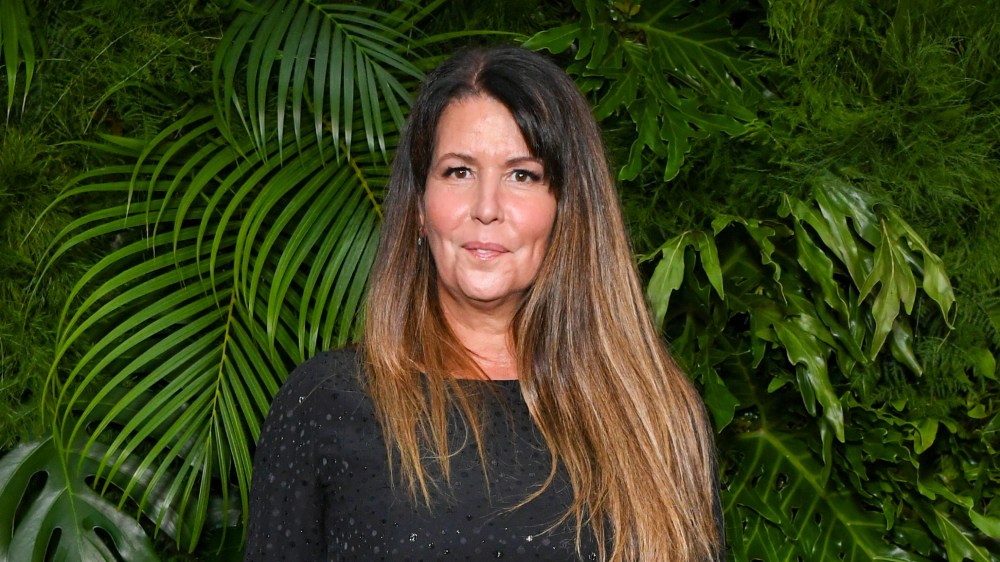
Patty Jenkins is tuning out the upheaval surrounding the Paramount-Warner Bros. deal, describing the current studio landscape as “such chaos” while questioning the health of the traditional Hollywood system.
The “Wonder Woman” director addressed the consolidation on Tuesday morning at Locanda Verde in downtown Manhattan, where Tribeca and Chanel held a luncheon to launch this year’s Through Her Lens program. The gathering came just 24 hours after news that the Paramount-Warner Bros. deal was essentially complete, amid concerns that the combination could have profoundly negative consequences for the industry.
“I didn’t even look at it, frankly. I’ve been tuning all of that out,” said Jenkins, who has a longstanding relationship with Warner Bros. “It’s such chaos. I think the studio system is in such bad shape that I’m kind of tuning it out.”
Her frustration does not mean she has ruled out working with Warner Bros. under Ellison’s leadership. Asked about that possibility, Jenkins answered, “You never know.”
“I never say no to anything because so many people have different projects,” she continued. “Something may come along, and they’ve been making some great films, and who knows.”
Jenkins sees opportunity beyond the studio system
Despite her bleak assessment of the major studios, Jenkins expressed enthusiasm about the options now available to directors working outside that structure. She believes emerging filmmakers face fewer barriers than she encountered at the start of her own career.
Jenkins cited “Backrooms” and “Obsession” as encouraging examples of talented directors making films on shoestring budgets and finding box office success.
“People are able to make their own films and it’s a game-changer,” she said. “I see it coming and I’m so excited about it — the democratization of being able to get your films to your audiences.”
Jane Rosenthal, who co-founded the Through Her Lens program 11 years ago, offered a more cautious view. The Tribeca boss argued that younger filmmakers are confronting more obstacles than she did when she entered the business.
“The business is really kind of a mess,” Rosenthal said. She noted that streaming has helped increase the number of films being made, but the consequences of the Paramount-Warner Bros. combination remain uncertain. “Who knows what this merger is gonna do,” she added.
Rosenthal also identified a possible opening in the disruption: the emergence of different approaches to independent film distribution. She pointed to the indie distribution venture announced last month by AMC, the country’s largest theater chain.
“You see what AMC is doing, let’s see what that really means,” Rosenthal said.
Through Her Lens puts five filmmaking teams in the spotlight
The industry debate unfolded at an event focused on supporting new filmmakers. Jenkins was joined at the luncheon by Halle Berry, Regina King, Misty Copeland and others, while Emmy Rossum attended to support the initiative.
Through Her Lens brings together five filmmaking teams for workshops, individual mentorship and conversations with industry figures. The program concludes with each team making a live pitch before a jury.
One selected team will receive full financing to make its short film, with support from Tribeca Studios. The other four teams will each receive development grants.
Berry and King will serve on this year’s jury alongside Meg Ryan, “Sinners” cinematographer Autumn Durald Arkapaw and “Sterling Point” actress Ella Rubin.
Rossum summed up the event’s emphasis on both creative access and audience reach, saying she “just wants the best people to tell stories” and wants those stories “to be seen by lots of people in theaters and on streaming.”
What Happens Next?
The five Through Her Lens teams will proceed through the program’s workshops, mentorship sessions and industry discussions before presenting their projects to the jury. The final pitch will determine which team receives full financing and Tribeca Studios support, while the remaining participants move forward with development grants.
For the wider film business, the effect of the Paramount-Warner Bros. deal remains uncertain. Jenkins is not closing the door on future studio work, but her optimism is currently directed toward filmmakers finding audiences through lower-budget productions and paths outside the traditional system.